Cameroon's 93-Year-Old President Biya Criticized for "Visiting" His Own Country
73 Days Away, Then Back in Switzerland
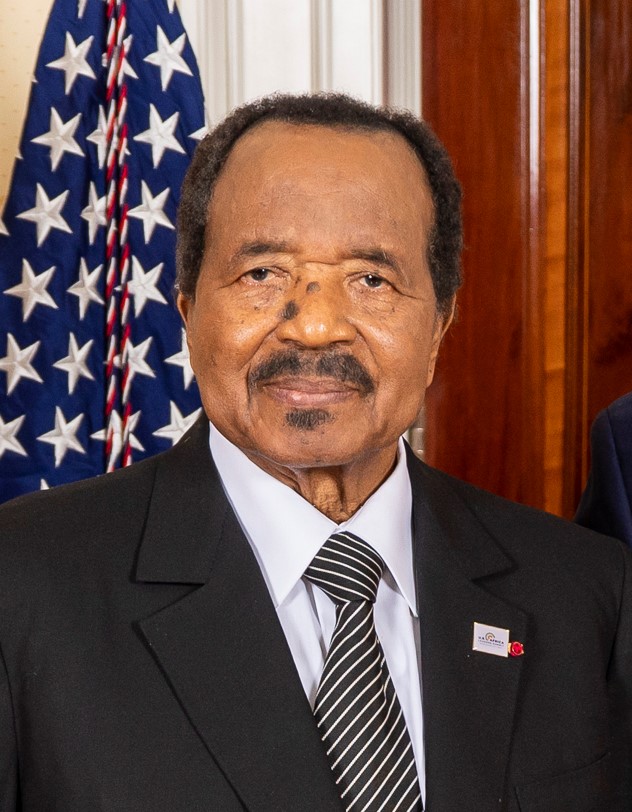
Cameroon's President Paul Biya returned to Yaoundé on August 20, 2026, ending a 73-day absence — the longest of his 44-year presidency. His office had described the June 7 departure as "a brief private stay in Europe," yet the trip stretched past ten weeks, including a reported hospitalization in Geneva. By mid-October he was spotted in Switzerland again, with no public explanation.
Presidency Insists He Is "Working"
Samuel Mvondo Ayolo, director of the Civil Cabinet at the presidency, dismissed rumours of Biya's death in an October 16 interview with Jeune Afrique, asking, "Can you hide the death of a head of state?" He said Biya was in good health and continuing to work, a position echoed by Sahara Reporters and Cameroon Concord News.
Forty-Four Years in Power, Succession Anxiety
Born February 13, 1933, Biya has been president since November 6, 1982, making him the longest-serving non-royal head of state. His prolonged absences fuelled concerns about health and a possible power vacuum; opposition figures asked Cameroon's Constitutional Council to rule on whether the presidency had fallen vacant. Al Jazeera reported that 39-year-old Yaoundé resident Elvis Mbi tunes in daily hoping for a government reshuffle announcement, but none had come by October 6.
Military Reshuffle: Five New Generals
Acting as commander-in-chief, Biya signed decrees promoting five colonels — one from the National Gendarmerie and four from the Land Army — to brigadier general on September 25 in Yaoundé, alongside new commanders for the First Inter-Army Military Region and the Headquarters Brigade. Cameroon's Ministry of Defence and the Journal du Cameroun reported the ceremony, seen as an effort to keep the military aligned during his absences.
Swiss Museums Probe 6,300+ Cameroon Artifacts
Switzerland's Federal Office of Culture announced on September 29 that nine Swiss museums will receive CHF 100,000 (roughly $120,000) to research the provenance of more than 6,300 objects from Cameroon in their collections. Participating institutions in Basel, Bern, Burgdorf, Geneva, Lausanne, Neuchâtel, Winterthur and Zurich — including the Museum der Kulturen Basel and the Musée d'ethnographie de Genève — will examine acquisition contexts, chains of ownership and the artifacts' significance to contemporary Cameroon.