椭圆形办公室被指定为国家纪念物
President Donald Trump issued an executive proclamation on November 5 and 9, 2026. It establishes the Oval Office as a National Monument under federal historic preservation statutes. The proclamation invokes presidential authority under the Antiquities Act of 1906. The action designates the primary workspace inside the West Wing as protected federal property.
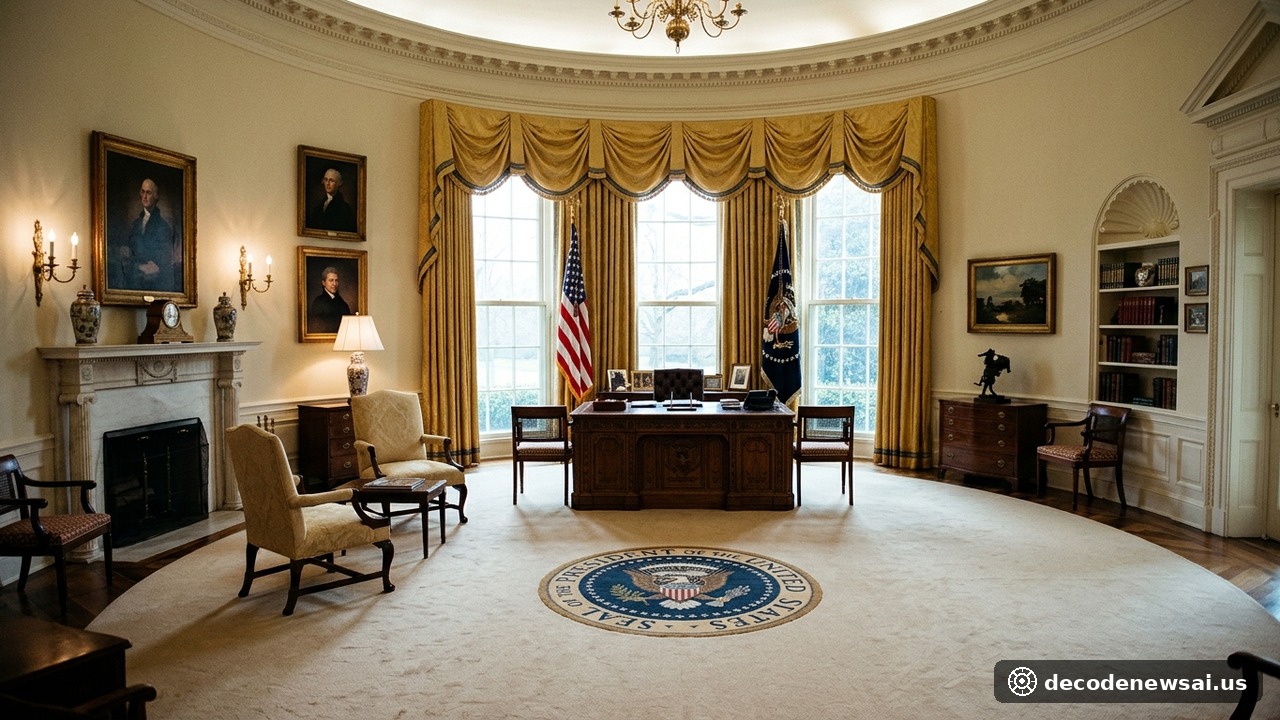
The directive aims to preserve the room's current architectural design and interior aesthetic. It classifies the office under federal conservation oversight. The measure seeks to prevent future administrations from remodeling the space.
古物法的一个新用法
The Antiquities Act was signed into law by President Theodore Roosevelt in 1906. It was meant to protect federal lands, natural landmarks, and prehistoric archaeological sites from commercial exploitation. Trump's action applies the century-old conservation statute to an active interior government executive suite. No precedent exists for that use.
保护范围与管理者
The proclamation outlines specific geographic and interior boundaries for the monument. The protected zone encompasses the Oval Office chamber, its ceremonial doorways, and dedicated adjoining executive study suites. The directive designates the National Park Service as permanent administrative custodian of the designated interior spaces. The Park Service acts in consultation with the General Services Administration.
proclamation 陈述的历史理由
The proclamation documents the historic significance of the room. It notes that major national decisions from the New Deal to modern geopolitical crises were deliberated within its perimeter. The declaration asserts that preserving the room in its current physical form protects the continuity of constitutional executive governance.
针对未来权力交接
The motivation behind the proclamation directly targets future transitions of power. Under standard historical practice, incoming presidents routinely redecorate the Oval Office upon taking the oath of office. Successive administrations customarily select bespoke rugs, hang distinct historical portraiture, and reposition the Resolute Desk to reflect personal design preferences.
特朗普的公开表态
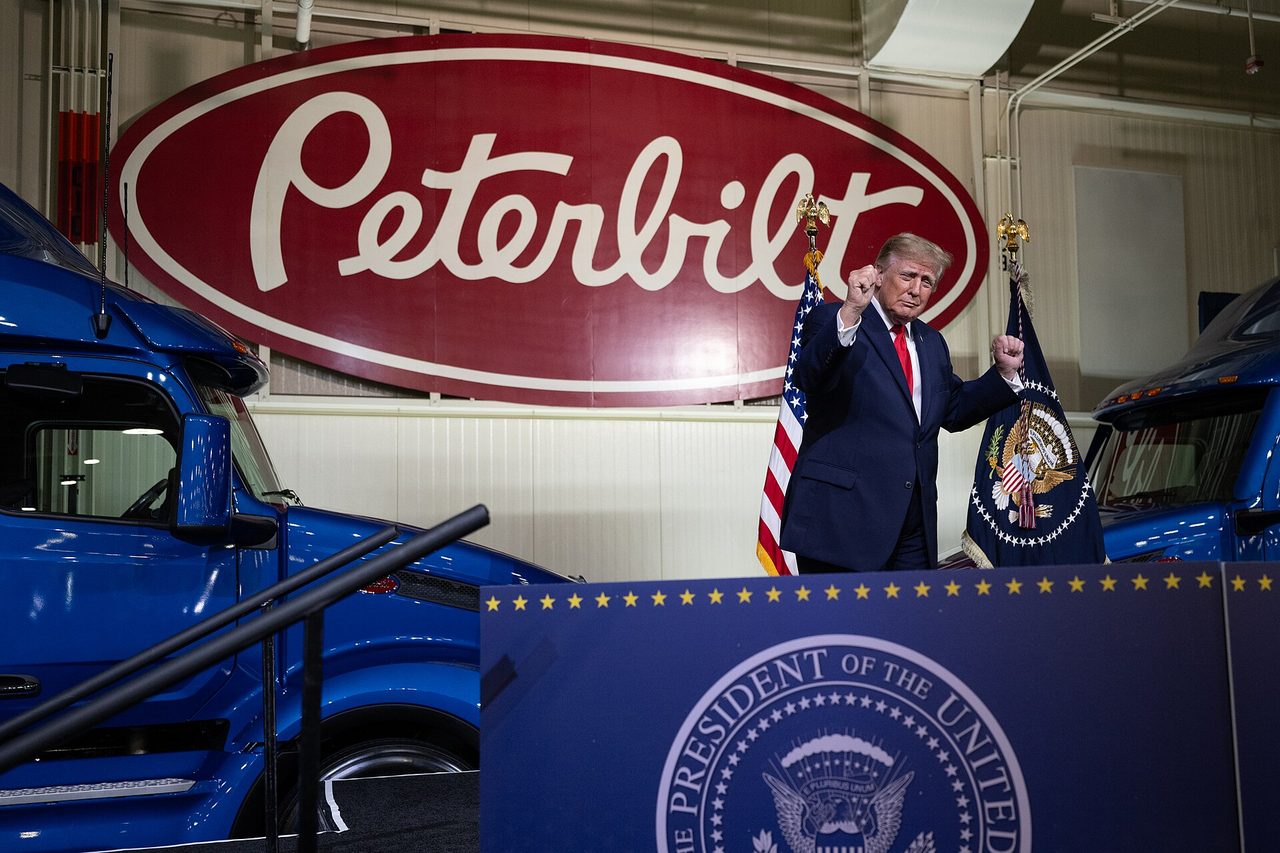
President Trump challenged that longstanding tradition. He argued that personal decorative modifications compromise institutional decorum. Speaking to reporters inside the Oval Office, President Trump defended the monument designation. Trump said: "The White House is not just another office complex, but the enduring symbol of American strength, and future occupants should not be permitted to dismantle its historic dignity."
改动须经审查
Under the terms of the proclamation, any structural alterations, wall surface modifications, or decorative overhauls require formal review by federal historic preservation boards. Unauthorized remodeling projects could expose administrative personnel to statutory enforcement actions.
法律争议
Constitutional legal scholars raised immediate questions regarding the validity of using the Antiquities Act inside a working executive office. Administrative law analysts noted that while the statute grants broad executive discretion to protect federal landmarks, its application to executive residence interiors lacks legal precedent. Opponents argue that an incoming president could issue a counter-proclamation revoking the designation. That would set up potential courtroom disputes.
执行工作已经展开
The National Park Service confirmed it is drafting operational guidelines to execute the management mandate. The White House Historical Association was tasked with completing three-dimensional laser scanning to catalog every structural detail. The proclamation has been officially transmitted to the Federal Register.
维护与日常办公的冲突
Historic preservation authorities and architectural historians observed that applying federal conservation statutes to working executive offices introduces novel legal and administrative considerations. Because the Oval Office serves as the primary daily workspace of the presidency, establishing permanent conservation boundaries under the National Park Service alters administrative procedures governing routine maintenance. Legal scholars and civic foundations indicated that disputes regarding the scope of the Antiquities Act within executive facilities may require formal administrative adjudication or judicial clarification. The National Park Service coordinated with federal architectural specialists to ensure that digital archiving and structural conservation protocols preserve the room's historical legacy without disrupting core White House operations. Government historians noted that balancing institutional continuity with presidential prerogative remains an enduring debate in constitutional statecraft.