McDonald’s McRib Faces Class-Action Lawsuit as Judge Allows Core Consumer Claims to Proceed
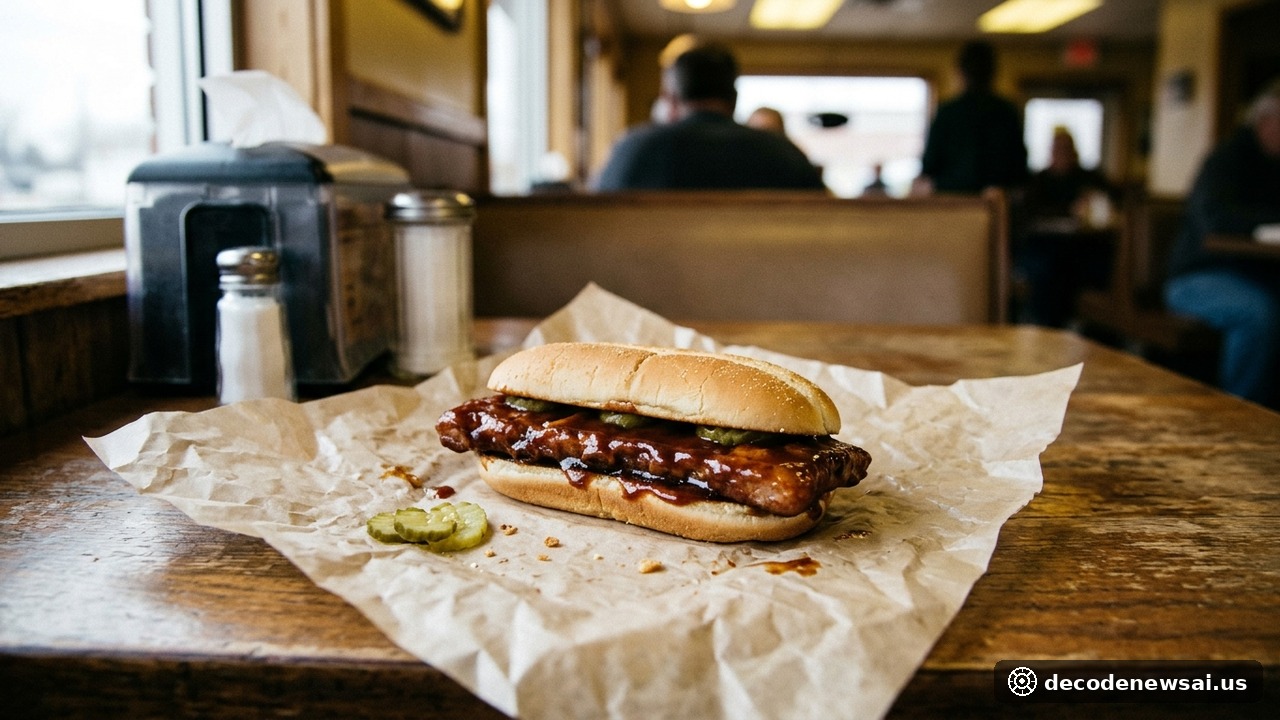
A federal judge in Illinois has refused to dismiss a proposed class-action lawsuit challenging McDonald’s marketing of its McRib sandwich. The dispute centers on whether a sandwich named “McRib,” with a patty shaped to resemble a rack of ribs, gives consumers a reasonable impression that it contains pork rib meat. The plaintiffs allege that it contains no actual pork rib meat. McDonald’s disputes the allegations and says it has been transparent about the sandwich’s ingredients. The ruling is not a finding that McDonald’s deceived customers. It also does not determine what cuts of pork are actually used in the product. The judge decided only that the case should not be ended at this stage based on the company’s arguments, allowing some consumer-deception claims to move forward.
The dispute centers on the name, shape and ingredients
The lawsuit was filed in December 2025 in the US District Court for the Northern District of Illinois. Four consumers from California, New York, Illinois and Washington, D.C., sought to represent a broader group of McRib purchasers. They argue that the product’s name, rib-shaped patty, advertising and relatively high price lead reasonable customers to believe that it contains pork rib meat. The complaint alleges instead that the patty is made from restructured pork products from other parts of the animal. The plaintiffs identify products including pork shoulder, heart, tripe and stomach, and argue that these ingredients are not equivalent in market value to rib meat. They say customers would not have bought the sandwich, or would have paid less for it, if they had known it contained no pork rib meat. Those statements remain allegations and have not been established at trial. Media reports have described the McRib as costing close to $7 in some locations, but menu prices vary by market and time, so that figure should not be treated as a nationwide price. The case raises a broader question about how product names and visual presentation shape consumer expectations. A food company can describe ingredients in formal terms, but plaintiffs argue that the overall impression created by a name, product shape and advertising may still be misleading. Whether that argument meets the legal standard is for the court to decide.
Judge allows some claims to continue
Reuters reported that US District Judge April Perry rejected McDonald’s request to dismiss the proposed case in its entirety on October 30, while also dismissing some of the plaintiffs’ claims. Perry said it was premature to accept the company’s argument that no reasonable consumer could expect the McRib to contain rib meat based on its name and appearance. She noted that consumers do not necessarily have to investigate every ingredient before buying fast food. Advertising that emphasizes the sandwich’s rib-like shape could also be relevant to whether the company intended to mislead customers, although the plaintiffs will need evidence to support their claims. The decision is procedural. It means that certain consumer-deception, fraud and related claims can continue through the litigation process; it does not mean the plaintiffs have proved that McDonald’s broke the law. The court will still need to evaluate the evidence, the applicable legal standards and the arguments from both sides. McDonald’s will have opportunities to defend itself as the case proceeds.
McDonald’s denies the allegations and defends its disclosures
McDonald’s has called the lawsuit meritless and said it distorts the facts. The company told media outlets that the McRib is made with pork sourced from US farmers and suppliers. It specifically denied using the heart, tripe or stomach identified in the complaint and said it has always been transparent about its ingredients so customers can make informed choices. The company's website describes the sandwich as a seasoned boneless pork patty with barbecue sauce and other toppings. The plaintiffs argue that this description does not resolve the impression created by the McRib name and its rib-like shape. The court has not ruled on which description of the sandwich's ingredients is accurate, nor has it found that the company's advertising was fraudulent. That distinction is important. The lawsuit challenges the relationship between branding and consumer expectations, not simply whether the sandwich contains pork. McDonald’s says the product is made from pork and that its marketing is not deceptive. The plaintiffs say the specific name and presentation imply a more valuable cut of meat. The legal question is whether the overall marketing could mislead a reasonable consumer under the relevant consumer-protection laws.
Class certification and the next steps remain unresolved
Allowing the lawsuit to proceed does not automatically make every McRib customer a member of a certified class. The court must separately determine whether the case meets the requirements for class certification. Until that happens, the four named plaintiffs are the parties bringing the claims, and other purchasers do not automatically have the same legal status. Media reports said McDonald’s had until November 20 to respond to the complaint. The case may then move through evidence exchange, additional motions and a possible class-certification process. Consumers should not interpret the ruling as a settlement, a compensation fund or an invitation to submit a claim. No class has been certified, and the court has not found McDonald’s liable or awarded damages. The central questions—whether the name, shape and advertising created a legally misleading impression, and whether the plaintiffs can prove their allegations—remain unresolved. The outcome will depend on later proceedings, not on this preliminary decision allowing parts of the case to continue.
Sources
- Reuters: McDonald's must face lawsuit over McRib, US judge rules
- ABC News: Judge allows class action McRib lawsuit against McDonald's to proceed
- People: McDonald's Faces Class Action Lawsuit Over Fan-Favorite McRib Sandwich
- Quartz: Judge lets McRib class-action lawsuit against McDonald's proceed
- Law360: McDonald's Must Keep Fighting McRib Proposed Class Action