Hong Kong Activist Joshua Wong Sentenced to 10 Years in Second National Security Case
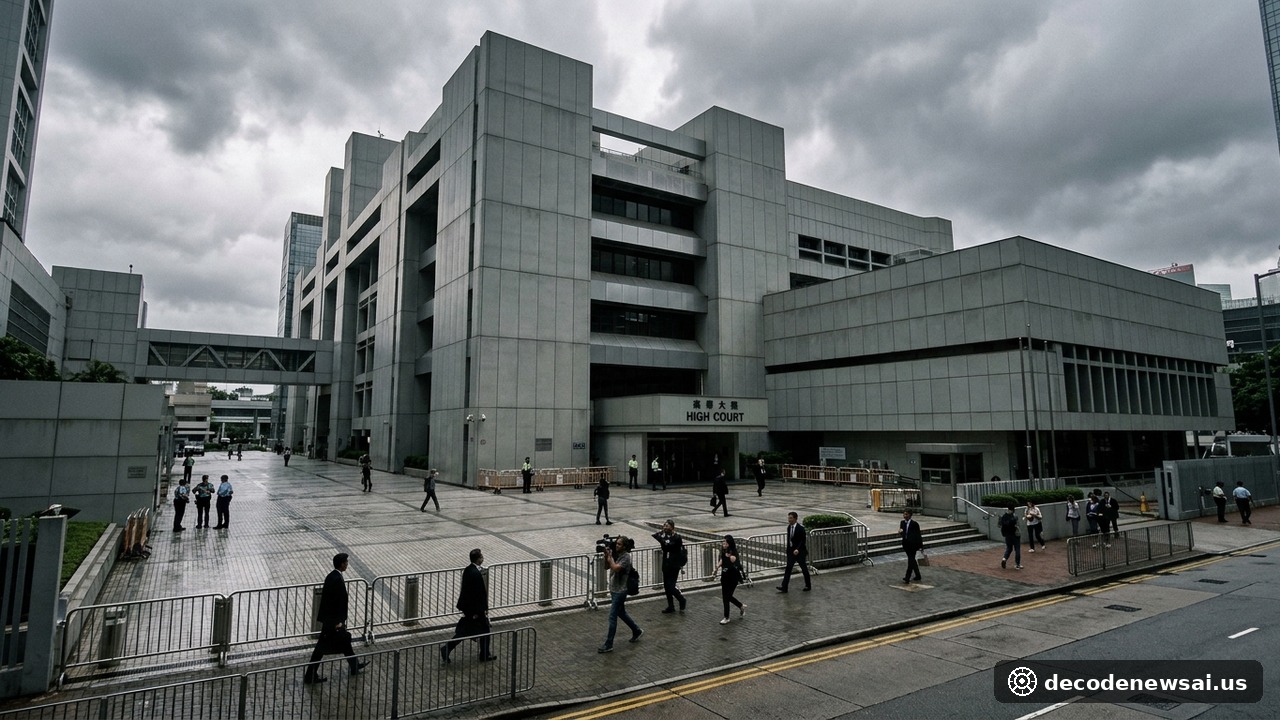
A Hong Kong court sentenced pro-democracy activist Joshua Wong to 10 years in prison on November 5 after he pleaded guilty to colluding with foreign forces under the city’s national security law. Wong, 30, was already serving a four-year-and-eight-month sentence in a separate case connected to an unofficial pro-democracy primary election in 2020. Before the new prosecution, he had been expected to complete that term in January 2027.
Reuters reported that the High Court imposed the 10-year sentence for a conspiracy involving requests for foreign governments, institutions and individuals to impose sanctions, blockades or other hostile measures against Hong Kong or China. Prosecutors said the alleged conduct took place between July 1 and November 23, 2020, and involved Wong, exiled activist Nathan Law and others.
The court imposes a 10-year term
Wong pleaded guilty to the foreign-collusion charge in September. Reuters reported that the High Court sentenced him to 10 years on November 5. Under the national security law, the offense can carry a sentence ranging from three years to life imprisonment, with the higher range applying when a court considers the offense to be of a grave nature.
Prosecutors accused Wong of conspiring with Law and other people to seek foreign sanctions, blockades or other hostile actions against the governments of Hong Kong and China. The alleged conduct spanned the period before and after the national security law took effect in 2020. Wong’s guilty plea resolved the charge before the court, but it does not settle the wider political and legal debate over the law or Hong Kong’s democracy movement.
The 10-year sentence is the confirmed outcome of this second case. The practical relationship between the new term and Wong’s existing sentence should be determined from the court’s formal judgment and prison calculation. It would be inaccurate to simply add the two terms together and announce a release date without confirming how the sentences will be served.
Wong was already serving a sentence in the primary-election case
Wong was sentenced in November 2024 to four years and eight months in prison for conspiracy to commit subversion in connection with the 2020 unofficial primary election. Prosecutors argued that the activists planned to use control of the legislature to block government budgets and force the city’s leader to resign. Wong was among dozens of pro-democracy figures prosecuted in the case.
He was charged with the separate foreign-collusion offense in June 2025 while already in custody. The case was later transferred to the High Court. In September 2026, Wong pleaded guilty. His lawyer asked the court to consider the time he had already spent in detention, his personal circumstances and his guilty plea when determining the sentence.
Before the second case, Wong had been expected to complete the earlier term in January 2027. The new 10-year sentence means the question of how the terms are calculated and whether they run consecutively or concurrently is important. The court’s written reasons and official sentence calculation will be needed before a precise release date can be established.
The case draws international attention
Wong became internationally known as a student leader during Hong Kong’s 2014 Umbrella Movement and later took part in the pro-democracy movement surrounding the 2019 protests. Prosecutors said his international advocacy included efforts to encourage foreign governments to impose sanctions and other measures against Hong Kong and China.
Hong Kong and Chinese authorities maintain that the national security law is necessary to protect national security and restore stability. Rights groups and some foreign governments have criticized the law, arguing that it has been used to restrict political expression and suppress opposition activity. Those competing positions remain central to international reaction to Wong’s case.
The Associated Press, BBC, The Guardian and Hong Kong media had reported on the case before sentencing. Human rights organizations have argued that the second prosecution will keep a prominent activist in prison beyond the date he had expected to be released. Authorities, by contrast, have said that law enforcement actions are based on evidence and are unrelated to political views.
Sentence calculation and any appeal remain to be clarified
The confirmed development is that Wong received a 10-year prison sentence in the second national security case. His earlier four-year-and-eight-month term remains part of his sentencing history, but the exact calculation of time to be served should not be inferred by adding the two sentences without the formal judgment.
The ruling is likely to renew debate over the national security law, judicial independence and political rights in Hong Kong. Whether Wong will appeal, how the court explains its sentencing decision and how prison authorities calculate the interaction with his existing term remain to be clarified. The case also leaves broader questions about the future of Hong Kong’s pro-democracy movement and the international response to national security prosecutions unresolved.
Sources
- Reuters: Hong Kong court sentences activist Joshua Wong to 10 years on national security charge
- CNA: Hong Kong activist Joshua Wong to be sentenced for collusion
- RTHK: Joshua Wong pleads guilty to foreign collusion
- The Guardian: Hong Kong pro-democracy activist Joshua Wong pleads guilty in second national security case
- BBC: Jailed HK activist Joshua Wong pleads guilty to foreign collusion