Xbox Nano Controller Reviews: Tiny and Portable, but Its Wi-Fi Cloud Feature Is Still in Preview
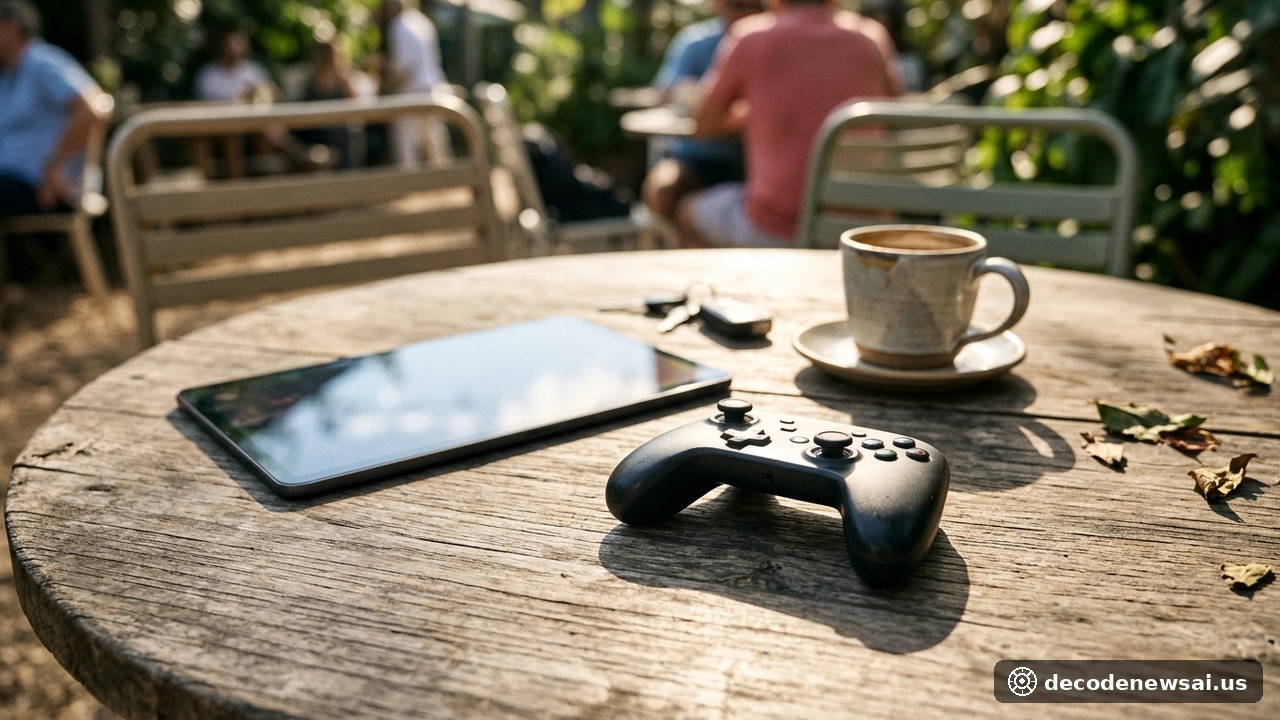
Microsoft’s XBOX Nano Controller went on sale on November 4 for $49.99. At a little over five inches long and about 3.5 ounces, it is the smallest Xbox controller the company has made. It keeps all 18 standard gameplay inputs and adds a programmable Action Button. Early reviews generally praise its portability and potential appeal to children and people with smaller hands, but reviewers disagree about comfort during long sessions. The lack of vibration, smaller shoulder controls and absence of a USB-C cable in the box are among its main compromises. The most notable feature initially described as a hidden capability is direct Wi-Fi connectivity to Xbox Cloud Gaming. Instead of sending controller input over Bluetooth to a TV or another device before it reaches the cloud, the Nano can connect directly to Microsoft’s cloud servers over Wi-Fi. Microsoft officially announced the feature, called Cloud Connect, on the controller’s launch day. It is now available as a preview for US users on supported smart TVs and web experiences, but supported games and devices remain limited.
A pocketable design keeps the standard layout but drops rumble
Microsoft’s official specifications say the Nano measures a little over five inches and weighs 3.5 ounces. It includes all 18 standard gameplay inputs, a rechargeable battery and a programmable Action Button. The controller supports Xbox Wireless and Bluetooth and is designed to work with Xbox consoles, Windows PCs, Android, iOS and some smart TVs. Its US retail price is $49.99. The Verge found that the ABXY buttons and thumbsticks are smaller than those on a standard Xbox controller, while the D-pad and central Xbox button remain close to their usual size. The grips help make the compact design more comfortable. CNET, however, found that the smaller shoulder buttons and triggers could cause finger fatigue during longer sessions. Reviews also confirm that the Nano has no vibration motors and no removable battery. CNET noted that the package does not include a USB-C charging cable, so buyers need to supply their own.
Reviewers disagree about long-session comfort
The Verge’s reviewer said the grips made the controller more comfortable than expected, even during longer play sessions, particularly for someone with smaller hands. Windows Central’s early impressions were also positive, describing the button, stick and trigger layout as easy to distinguish despite the reduced size. Windows Central had not completed its full review at the time of publication, however. CNET offered a more cautious assessment. Its reviewer found the Nano useful for commuting, travel and as a second controller, but did not recommend replacing a full-size gamepad with it. After more than an hour of play, the narrow shoulder controls made the reviewer’s index fingers uncomfortable. Press Start’s review was more positive about the grip, although it also found the transition between triggers and bumpers somewhat awkward. The different assessments suggest that hand size and game type matter more than the controller’s dimensions alone. A player with smaller hands may appreciate the compact layout, while someone who regularly uses the shoulder controls in shooters or action games may find the reduced controls cramped.
Cloud Connect bypasses a Bluetooth step
Before the official announcement, The Verge reported that the Nano contained hardware for a direct Wi-Fi connection to cloud-gaming servers. Microsoft confirmed the feature on November 4 through Xbox Wire and named it Cloud Connect. In a conventional smart-TV cloud-gaming setup, a controller sends input to the television over Bluetooth, and the television then communicates with the cloud service. With Cloud Connect, the controller can send input directly over the home Wi-Fi network to the server running the game. Microsoft says this can reduce input latency and make gameplay feel more responsive. The preview is initially available to users in the United States. Setup requires the Xbox beta app on Android or the Xbox Accessories app on a PC. PC setup also requires Xbox Insider enrollment. After connecting the controller to a home Wi-Fi network, users must open a supported Xbox Cloud Gaming experience on the web or a compatible smart TV and sign in with the same Xbox account used during setup. Microsoft stresses that Cloud Connect is still an early test. It does not work with every cloud-gaming experience, game or device, and the company has not announced a full public-release schedule. Buyers should therefore treat it as an experimental feature rather than a guaranteed capability across all Xbox Cloud Gaming setups.
The $49.99 value depends on how it will be used
The Nano is not intended to replace a full-size controller for competitive players or long gaming sessions. Its main value is portability: it can fit in a jacket pocket or backpack, makes it easier for children to join multiplayer games and can be paired with mobile devices for cloud gaming. The Verge and CNET both noted that players with smaller hands are more likely to benefit from the reduced size. People with larger hands or those accustomed to full-size triggers may find the controls too compact. At $49.99, buyers should also weigh the absence of rumble, the missing charging cable and the lack of long-term battery testing. Microsoft confirms that the controller is rechargeable, but early independent reports have not established a consistent, fully tested battery-life figure. Cloud Connect remains in preview and should not be treated as a feature that will immediately work across every cloud-gaming device. The strongest use case is as a travel or secondary controller, especially for younger players or people who prefer smaller hardware. For a main controller, comfort should be tested against the games a person actually plays. The Nano offers a genuine portability advantage, but its smaller size comes with compromises that will not suit everyone.
🛒 Check it out on Amazon: Xbox Series X
Check the price on Amazon →Affiliate disclosure: purchases through this link may earn us a commission at no extra cost to you.
本文来源
- Xbox Wire:Meet the XBOX Nano Controller
- Microsoft Store:XBOX Nano Controller
- The Verge:Xbox’s smallest-ever controller is surprisingly comfortable
- CNET:Xbox Nano Controller Review: This Cute, Portable Controller Presses Most of the Right Buttons
- Windows Central:The Xbox Nano Controller is here, and it’s incredibly cute (and hides a surprise)