Gold Reclaims $4,000 After Democrats Win Congress as the Dollar and Treasury Yields Fall
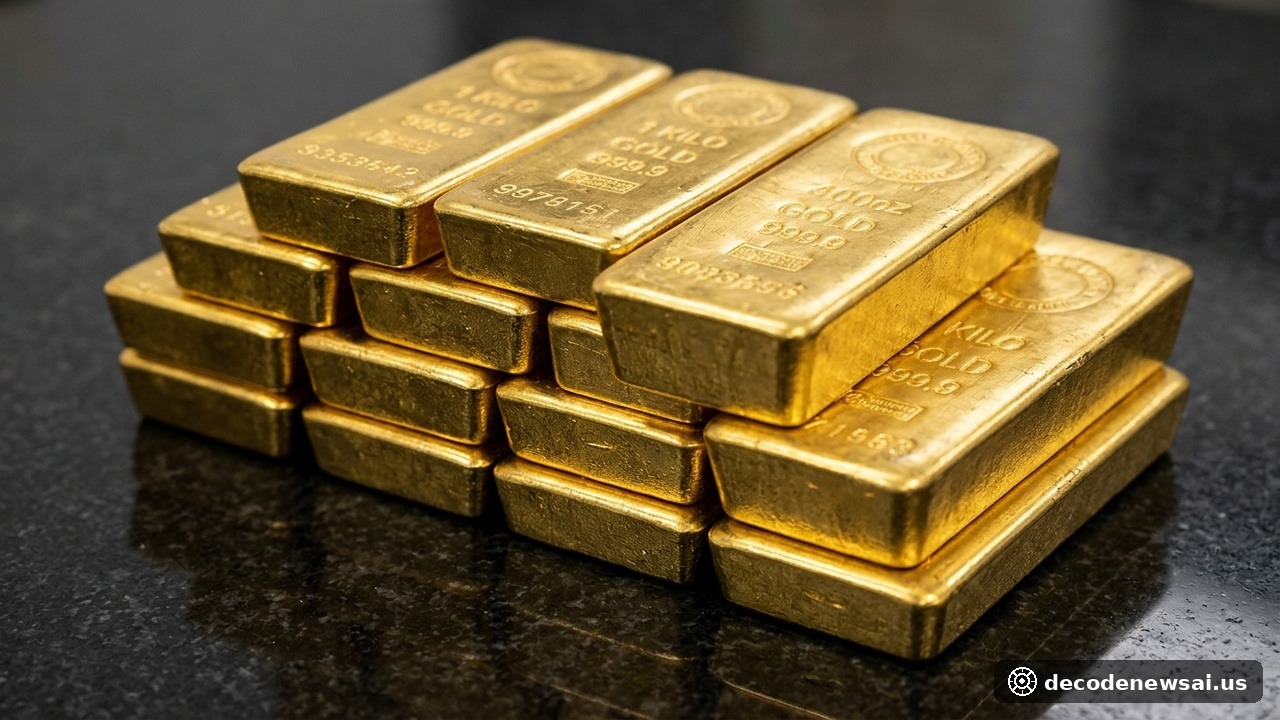
Gold prices moved back above $4,000 an ounce on November 4 after Democrats won control of both chambers of the U.S. Congress in the 2026 midterm elections. Reuters reported that spot gold was up 2.4% at $4,021.68 an ounce in early trading. The Wall Street Journal later recorded gold at $4,052.50 during European trading, up 2.8%. Kitco’s afternoon U.S. quotation put spot gold near $4,065.90, a gain of about 3.47%. These are price snapshots from different times of the session, not a single closing quote.
The rally coincided with a weaker U.S. dollar and lower Treasury yields. Investors considered whether a Democratic-controlled Congress would make it harder for President Donald Trump to advance tax cuts and new spending, potentially limiting expectations for further fiscal expansion. Lower oil prices and hopes that tensions with Iran could ease also helped reduce some inflation concerns, providing support for precious metals.
Gold moves back above $4,000, while silver gains more
Reuters reported that spot gold rose 2.4% to $4,021.68 an ounce by 0718 GMT. U.S. gold futures for December delivery gained 2.3% to $4,031.20. The U.S. dollar index fell about 0.5% to 101.31, reaching a one-month low. Lower Treasury yields also reduced the opportunity cost of holding gold, which does not pay interest.
Silver advanced more sharply. Kitco’s late U.S. trading quotation put spot silver near $52.28 an ounce, up about 5.25%. Platinum rose about 4.4%, while palladium gained around 6.5%. The broader precious-metals complex rallied, although prices and percentage changes varied by market and timestamp. An intraday high should not be confused with a final settlement price.
Expectations of divided government weigh on the dollar and yields
Investors interpreted the election results as a sign that the Trump administration may face greater resistance in Congress when trying to advance tax, tariff and spending policies. The possibility of legislative gridlock could limit expectations for additional fiscal expansion and new borrowing, encouraging demand for U.S. government bonds and gold.
Treasury prices rose as yields fell, making non-yielding gold relatively more attractive. But divided government does not automatically reduce the federal deficit. Existing debt and interest costs remain substantial, and budget negotiations could create new political risks. The Federal Reserve’s interest-rate outlook is also important. If inflation rises again, investors may increase expectations for higher rates, which could put pressure on gold.
Iran and energy prices remain part of the market picture
Investors are also watching whether the United States and Iran could return to negotiations. After the midterm results, markets reassessed whether the administration might face more pressure to reduce the conflict. Oil prices fell, easing some concerns that energy costs would keep inflation elevated. The weaker dollar, lower Treasury yields and softer oil prices together supported precious metals.
But the situation with Iran remains uncertain, and no confirmed diplomatic agreement has been reached. A renewed escalation could push energy prices higher again. If that led to stronger inflation expectations, the effect on gold could change. The market reaction reflects a combination of political and economic factors, not a single guaranteed outcome.
The rebound does not establish a new gold bull market
Gold had retreated from earlier highs in October before moving back above $4,000 on November 4. The rebound shows how quickly investors reassessed the election outcome, the dollar and the interest-rate outlook. Traders are also waiting for U.S. employment data, which could influence expectations for the Federal Reserve’s next decisions.
The confirmed development is that gold traded above $4,000 an ounce during several periods on November 4, silver gained more, and the dollar and Treasury yields moved lower. The next direction will depend on U.S. economic data, fiscal policy, developments involving Iran and Federal Reserve decisions. One post-election rally is not enough to establish that gold has entered a sustained upward trend.
Sources
- The Wall Street Journal: Gold Climbs on Softer Dollar, Falling Treasury Yields After U.S. Midterms
- Fortune: Current price of gold as of November 4, 2026
- Kitco News: Gold climbs above $4,000, Wall Street rallies as Dems take Congress
- Anadolu Agency: Gold and silver prices surge as US dollar drops after midterm elections