Big Tech’s $600 Million Midterm Campaign Falls Flat as Voters Push Back on Data Centers
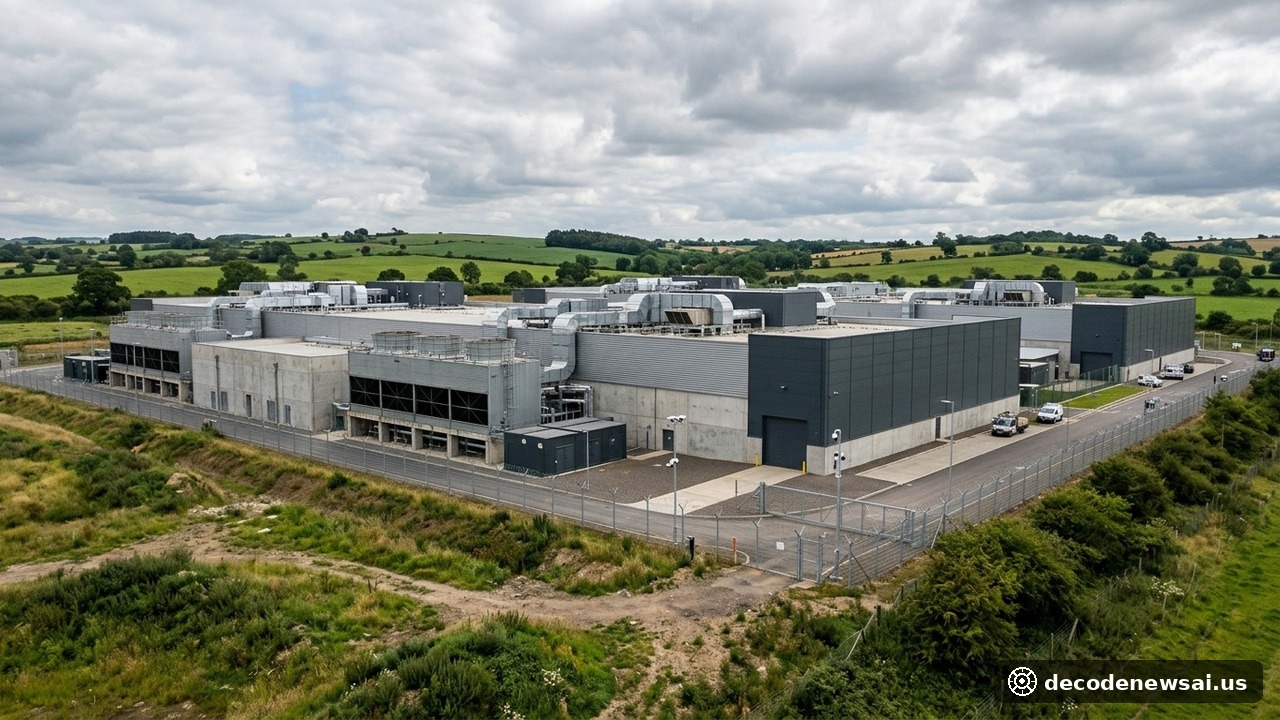
Silicon Valley billionaires and technology-aligned political groups spent more than $600 million trying to shape the 2026 U.S. midterm elections, backing Republican candidates and opposing restrictions on data-center development. But Democrats won control of both chambers of Congress, several heavily supported candidates lost, and voters approved local measures limiting data-center projects. The Financial Times reported on November 4 that Elon Musk alone spent more than $470 million, while venture capitalists Marc Andreessen and Ben Horowitz, cryptocurrency entrepreneurs Cameron and Tyler Winklevoss, and OpenAI co-founder Greg Brockman were also among the major donors.
The results show that the technology industry’s financial advantage did not translate into victories across the ballot. In addition to candidate spending, voters in several states considered local data-center measures. Axios reported that about two dozen proposals intended to restrict or block development appeared to have passed out of 41 data-center measures across 10 states, based on initial returns. Concerns included electricity prices, water use, noise, pollution, land use and a lack of community input.
More than $600 million failed to change the political outcome
The Financial Times reported that technology executives and other Silicon Valley billionaires spent more than $600 million on political campaigns and related efforts, but Democrats still made major gains in Congress. Musk was the largest individual spender, putting more than $470 million behind Republican candidates. WIRED reported that political groups backed by Musk spent nearly $87 million on advertising in 42 races. Among races that had been decided by Wednesday morning, most of the candidates supported by those groups had lost.
Industry spending also failed to prevent Democrat Sherrod Brown from returning to the Senate in Ohio. The Financial Times reported that industry groups spent more than $50 million on attack advertising in the state, but Brown still won. Several Ohio communities also approved local restrictions on large data-center projects, showing that residents were not persuaded by the industry’s spending or its promises of jobs and tax revenue.
Data centers became a major local election issue
Data centers require large amounts of electricity and cooling water. They can also create noise, land-use and environmental concerns for nearby communities. Axios reported that about 41 data-center-related measures appeared on ballots across 10 states, with roughly 24 proposals aimed at restricting or blocking development appearing to pass in initial results.
WIRED reported that 11 Ohio communities considered restrictions on large data centers. In Granville, 82% of voters supported restrictions, while support reached 79% in Trenton. The results were notable because industry groups and business organizations had spent heavily to oppose the local measures.
Cleveland.com reported that in some Ohio communities, companies and unions campaigning against restrictions raised far more money than residents supporting limits. Yet voters still backed the restrictions. Residents raised concerns about the electricity and water required by large facilities, the loss of farmland and the possibility that local costs could outweigh the promised economic benefits.
A Democratic Congress may increase scrutiny of AI companies
With Democrats controlling both chambers, lawmakers may hold more hearings on data-center energy use, AI safety, corporate lobbying and government incentives. The Financial Times reported that progressive lawmakers were calling for AI executives to testify under oath. Axios said the election results could delay some data-center projects, particularly in fast-growing markets such as Texas, Ohio and Georgia.
That does not mean the United States is about to ban data centers or stop AI development. Local ballot measures vary in scope, and many projects are already under construction. Companies may respond by changing sites, power arrangements or agreements with local communities. Analysts say a Democratic-controlled Congress is more likely to push for tougher permitting, transparency and community-engagement requirements than to halt the entire industry.
The industry still won some political battles
Not every issue backed by technology companies went against them. The Financial Times and Axios reported that Silicon Valley groups opposed a proposed 5% wealth tax on individuals and trusts with more than $1 billion in assets in California. Early results suggested the measure was headed for defeat. The industry may have succeeded in protecting some tax priorities even as voters demanded more control over data-center construction and local land-use decisions.
The confirmed picture is that technology interests and billionaire donors spent more than $600 million in the midterm cycle, but that spending did not prevent Democrats from winning both chambers of Congress or stop multiple local data-center restrictions from passing. Whether Congress launches investigations into AI companies, how local governments implement the ballot results and whether major data-center projects are delayed or relocated remain to be seen.
Sources
- Tech Brew: Big Tech money didn’t talk this election
- WIRED: Voters Set $400 Million of Elon Musk’s Money on Fire
- The Washington Post: A nationwide backlash against data centers erupts at the polls
- Cleveland.com: ‘Those tech companies cannot bully Ohio:’ Savvy voters beat back tidal wave of data-center money
- Business Insider: How a blue wave crushed the tech right