Democrats’ Senate Win Makes It Harder for Trump to Reshape the Federal Reserve Board
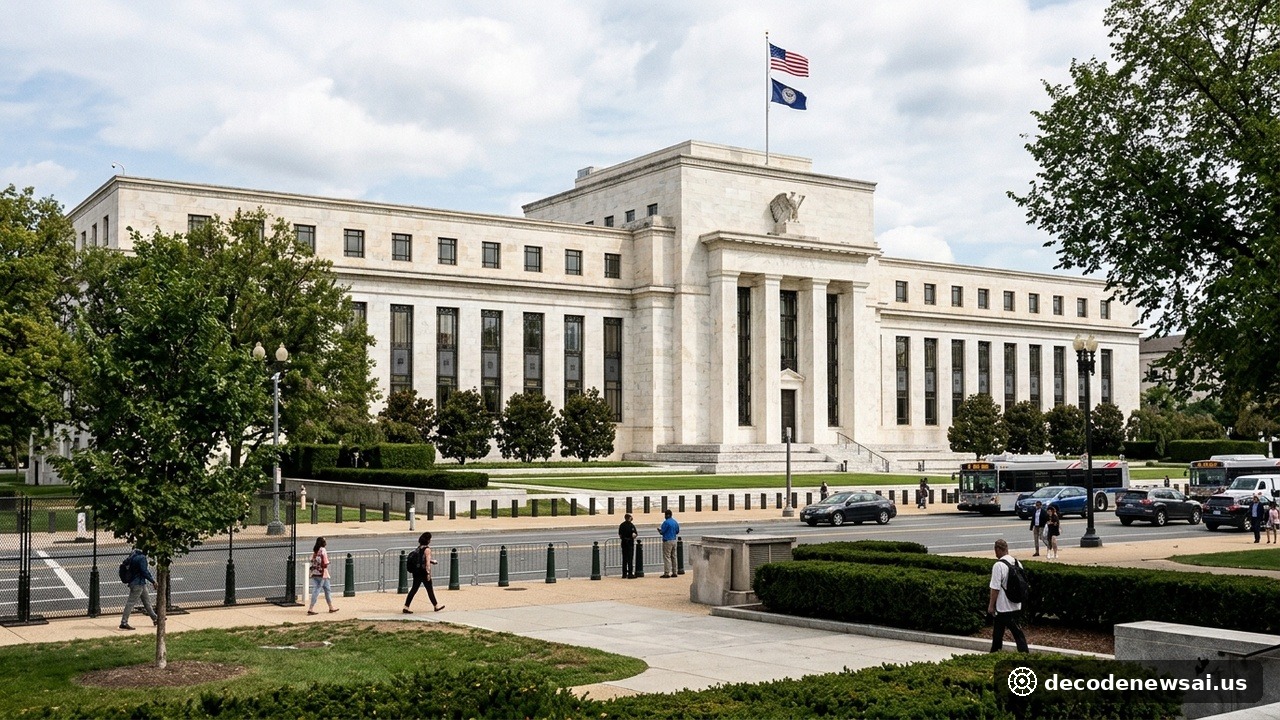
President Donald Trump’s effort to reshape the Federal Reserve’s Board of Governors with allies faces a major obstacle after Democrats won control of the Senate in the 2026 midterm elections. Axios and Reuters reported on November 4 that the Senate’s authority to confirm Fed appointments will give Democrats a new opportunity to block nominees they view as insufficiently independent from the White House. Sen. Elizabeth Warren of Massachusetts is expected to take over the Senate Banking Committee, potentially increasing scrutiny of the central bank and its chair, Kevin Warsh.
The Fed’s Board of Governors has seven members and currently has no vacancies. Trump has tried to remove Governor Lisa Cook, but courts have so far blocked the effort. Cook’s term runs through 2038. Former chair Jerome Powell has left the chairmanship but can remain on the board until January 2028. The long terms mean that a president cannot immediately replace most governors simply because his party loses or wins an election.
Senate confirmation becomes a key guardrail
The president nominates Federal Reserve governors, but the Senate must confirm them. Governors generally serve 14-year terms, while the chair serves a separate four-year term and must also be confirmed as a governor. Democrats are expected to take control of the Senate in January 2027, giving them control of the committee that reviews Fed nominations.
Axios reported that nominees viewed by Democrats as too closely aligned with the White House could struggle to advance through committee and receive confirmation. Warren has criticized Warsh as a “sock puppet” for the administration and has signaled that she will focus on the Fed’s independence and transparency. A Democratic Senate cannot appoint governors directly, but it can block nominees who do not have sufficient support.
The board has no vacancies, and Cook and Powell remain
All seven seats on the Fed board are currently occupied. Cook’s term runs through 2038, Philip Jefferson’s through 2036, Michelle Bowman’s through 2034, Michael Barr’s through 2032, Christopher Waller’s through 2030, Powell’s through 2028 and Warsh’s governor term through 2040. Governors can remain in office after their terms expire until successors are confirmed.
Trump has sought to remove Cook over allegations of mortgage fraud, but courts have prevented the move from taking effect so far. Axios reported that the White House plans a hearing on the allegations in December. Cook has denied wrongdoing, and the legal process remains unresolved. Even if the administration eventually succeeds in removing her, a Democratic-controlled Senate could refuse to confirm Trump’s preferred replacement.
The lack of vacancies is a significant constraint. Powell chose to remain on the board after leaving the chairmanship, denying Trump an immediate opening. Other governors also have terms that extend for years, limiting the number of appointments the president can make in the near term.
Warren could increase scrutiny of Warsh
Warsh became Fed chair in May 2026. His chair term runs through 2030, while his term as a governor runs much longer. Reuters reported that a Democratic Senate could subject Warsh to tougher oversight, particularly on inflation policy, financial disclosures and the central bank’s independence. Warren is expected to lead the Banking Committee and may seek explanations about Warsh’s financial disclosures and his approach to monetary policy.
That does not mean Democrats can set interest rates directly. Monetary policy is determined by the Federal Open Market Committee, while Senate confirmation and congressional oversight shape appointments, institutional governance and regulatory policy. Democrats may also review the administration’s proposed banking changes, including stablecoin rules and changes to the Fed’s bank-supervision framework.
The debate over Fed independence will continue
Trump has repeatedly called for faster rate cuts and criticized the Fed for moving too cautiously. A Democratic Senate will narrow the White House’s ability to confirm new governors, but the president will still be able to nominate candidates when vacancies arise. The outcome of the legal case involving Cook, whether Powell remains on the board through January 2028 and whether any other governors leave early could all affect the future composition of the board.
The confirmed situation is that Democrats are expected to take control of the Senate in January 2027, the Fed board currently has no vacancies and Cook and Powell remain in office. Democrats can use the confirmation process to block some nominees, but they cannot directly appoint governors or determine interest rates. Whether Trump can substantially change the board before the end of his term will depend on future vacancies, court rulings and Senate action.
Sources
- Reuters: Election stiffens the Fed's guardrails, but independence risks remain
- Bloomberg: Fed Wins Protection With Democrats Taking Control of the Senate
- Brookings: Who has to leave the Federal Reserve next?
- MarketWatch: 4 market-moving issues investors should watch now that the midterms are over
- Federal Reserve: Board of Governors