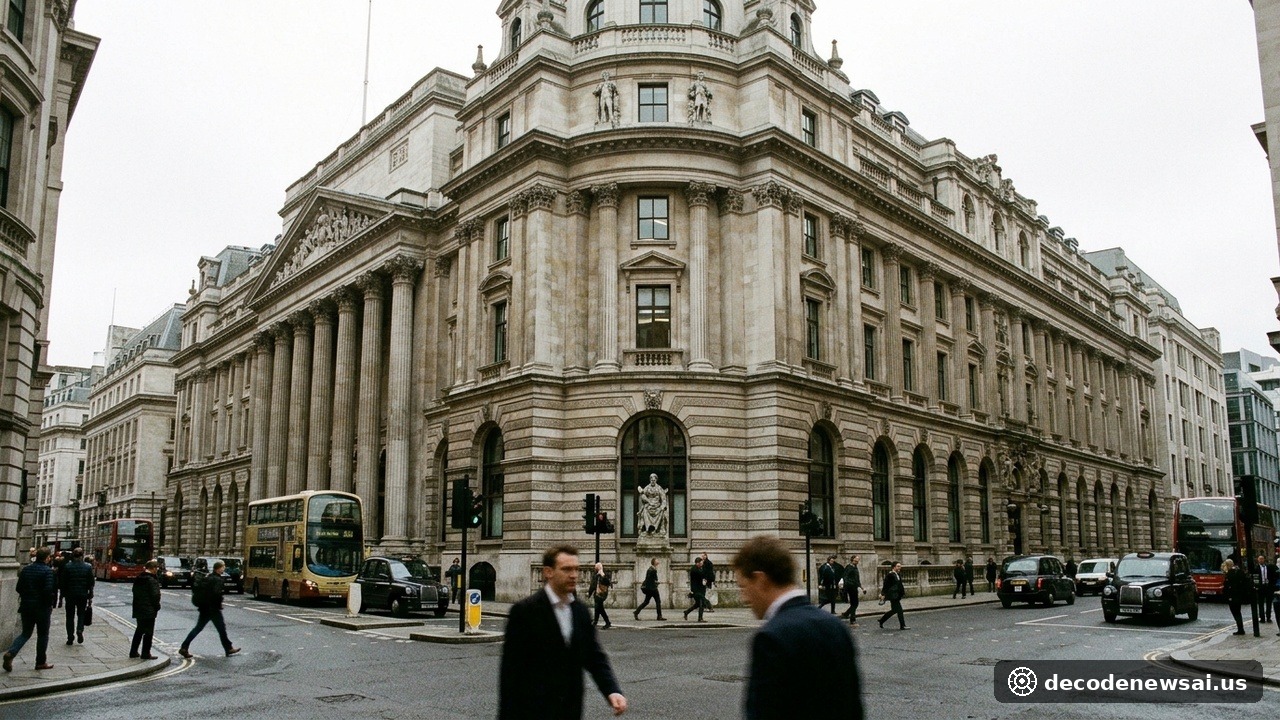
The Bank of England raised its benchmark interest rate by 0.25 percentage points to 4% on November 5, its first increase since August 2023. The central bank said the conflict in the Middle East has pushed up energy costs, which are beginning to feed into household bills and business pricing. UK consumer-price inflation reached 3.5% in September, above the Bank’s 2% target. The Bank expects inflation could approach 5% by the middle of 2027.
The decision does not mean a sustained series of increases is inevitable. Governor Andrew Bailey said another rise remains possible if the conflict continues and energy prices stay high, but policymakers will reassess the outlook at each meeting. The Monetary Policy Committee voted 8-1 for the quarter-point increase; one member preferred a larger, half-point move to 4.25%.
1. Variable-rate borrowers may feel the impact first
Tracker mortgages linked directly to the Bank Rate generally respond quickly to a change. Some standard variable-rate mortgages may also become more expensive, depending on the lender. Credit cards, personal loans and other variable-rate borrowing can be affected by broader market rates as well. For households already facing tight budgets, even a quarter-point increase can add to interest costs, particularly on large outstanding balances.
Fixed-rate mortgages work differently. Their pricing is influenced more by market expectations and swap rates, so lenders may change offers before an official Bank decision. A fixed-rate borrower does not automatically see the same quarter-point increase applied to an existing deal. More than two million UK mortgage borrowers are expected to refinance fixed-rate deals over the coming year, however, and their new payments will depend on their balance, remaining term, credit profile and the rates available when they refinance.
2. Savings returns could improve, but banks decide whether to pass on the increase
A higher policy rate can give banks and building societies room to offer better returns on savings accounts. People holding cash may benefit if providers raise rates on easy-access or fixed-term deposits. But the change is not automatic: each institution decides whether to increase its rates, by how much, and whether the new offer applies to existing customers or only new deposits. Savers should compare the effective annual rate, withdrawal conditions, promotional periods and deposit protection rather than assume every account will move in line with the Bank Rate.
3. The Bank wants to contain inflation, but households may face pressure on both sides
Higher interest rates are intended to make borrowing more expensive and restrain demand, limiting the risk that an energy-price shock spreads into the prices of other goods and services and into wage-setting. But monetary policy cannot produce more oil or gas, nor can it end the conflict in the Middle East. If energy prices remain elevated, households could face higher utility bills at the same time as higher borrowing costs. Businesses may also pass on energy, transport and financing expenses.
The key question now is not simply whether rates have risen once, but whether energy prices ease and whether inflation spreads beyond fuel and utilities into broader prices and wages. The Bank’s next scheduled rate decision is December 17. Households reviewing their budgets should use their own loan terms and actual lender quotes; market forecasts of further increases are not confirmed policy decisions.