UK Supreme Court Hears Challenge to Palestine Action Ban, With Free Speech at Stake
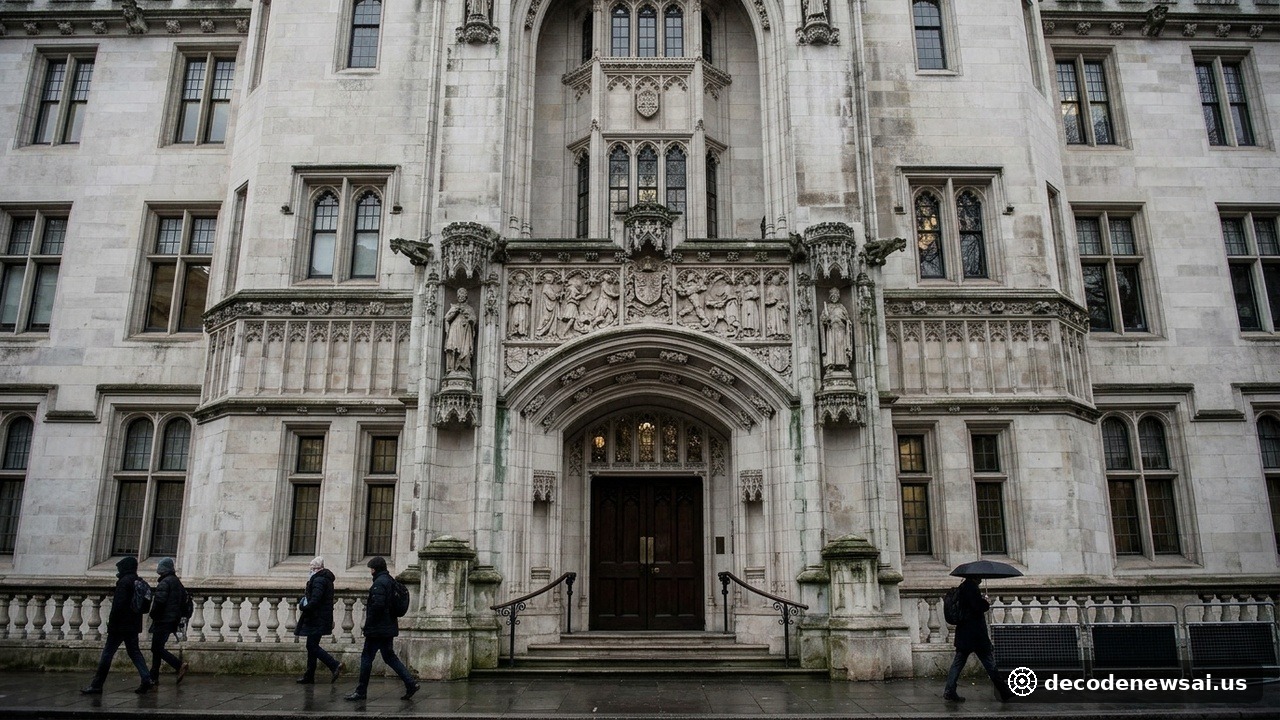
The United Kingdom’s Supreme Court heard an appeal on Nov. 4 and 5 by Huda Ammori, co-founder of the direct-action group Palestine Action, challenging the government’s decision to proscribe the organization as a terrorist group. The central legal question is whether the ban is compatible with protections for freedom of expression and assembly under the European Convention on Human Rights. Ammori’s lawyers argue that the measure wrongly treats protest and direct action as terrorism and risks undermining public confidence in the country’s counterterrorism laws.
The legal basis of the appeal
The British government proscribed Palestine Action in 2025. The group became known for direct actions targeting facilities linked to companies in Israel’s defense supply chain. Once the ban took effect, membership and certain forms of support could trigger offenses under British terrorism legislation. Ammori appealed to the Supreme Court, arguing that the decision disproportionately interferes with Article 10, which protects freedom of expression, and Article 11, which protects freedom of assembly and association. The court’s official case page confirms that the appeal is being considered on the human-rights question.
Competing accounts of direct action
During the hearing, Ammori’s lawyers compared some of the group’s tactics with those used by the suffragettes, arguing that direct action and property damage should not automatically be equated with terrorism. The government’s position is that the group’s activities involved serious damage, danger and risks to public safety, and that the state has a duty to protect people and critical facilities. The arguments turn on how the actions should be characterized, the level of risk involved and whether the ban is proportionate. They remain submissions to the court, not findings by the justices.
Civil liberties and counterterrorism
The case has drawn attention from human-rights groups, press-freedom organizations and Jewish community bodies. Amnesty International UK, Liberty, English PEN and other organizations have intervened or submitted legal arguments about the effect of the ban on speech, reporting and peaceful assembly. Jewish community organizations have also participated, raising concerns about antisemitism and community safety. Their involvement illustrates that the dispute extends beyond support for or opposition to Palestine Action: it concerns how British law distinguishes political protest, criminal damage and terrorism.
No final ruling yet
The Supreme Court’s case page lists a full hearing on Nov. 4 and 5. It says the afternoon session on Nov. 5 is closed to the public and will not be livestreamed. The end of the hearing does not mean the appeal has been allowed; the justices must still issue a judgment. If the ban is upheld, the government’s proscription remains in force. If Ammori succeeds, the ruling could affect the group’s legal status and the standards applied to future proscription decisions. The outcome should be described only after the court publishes its judgment.