What Are the Quantifiable Upstream Metrics and Diplomatic Figures of the Oleshky Ceasefire?
- Duration of Negotiated Frontline Humanitarian Ceasefire: Exactly 6 Days (Longest Multi-Day Truce Since 2022)
- Total Trapped Civilians and Casualties Evacuated: Nearly 800 Residents and Critical Care Patients
- Principal Official Delegations Represented at Gathering: Senior Ukrainian Lawmakers and Kremlin Envoys
- Projected Scope of Ensuing Macro Settlement Framework: Encompassing Ukraine and Broader European Architecture
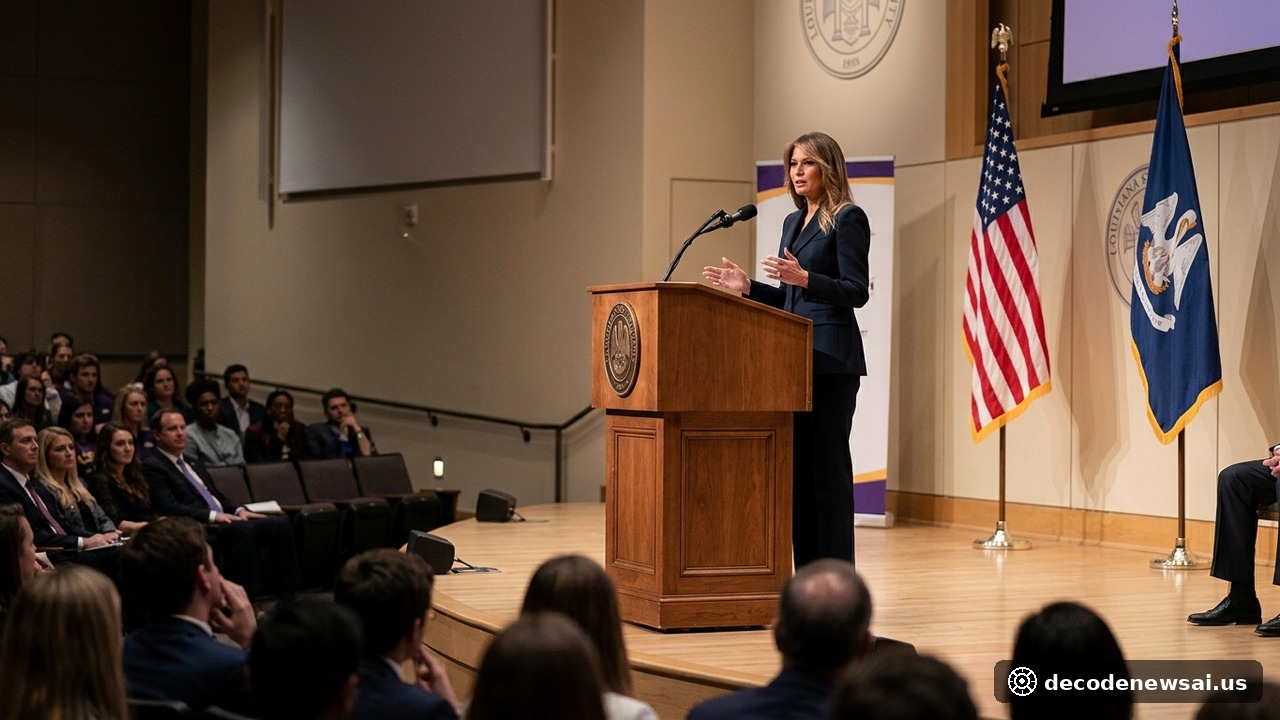
According to extensive reportage by the Associated Press, Reuters, and PBS NewsHour, First Lady Melania Trump delivered remarks emphasizing that human survival must transcend geopolitical enmity, noting: "We have chosen humanity over war. We must use the courage we brought to Oleshky to find common ground through a shared concern for the suffering of innocent people." Melania Trump revealed she was personally immersed in every logistical operational tier of the project, scrutinizing commercial satellite imaging, reviewing de-mining protocols along the Dnipro River basin, and coordinating humanitarian clearance channels directly between executive contacts in Moscow and Kyiv. Dmitriev conveyed personal appreciation from Russian President Vladimir Putin, praising the First Lady's proactive personal diplomacy.
The six-day cessation of active kinetic artillery engagements permitted international humanitarian convoys to deliver emergency pharmaceuticals, pediatric nutritional supplies, and potable water purification hardware to isolated civilian settlements.
What Complex Geopolitical Calculations and Controversies Surrounded the Gathering?
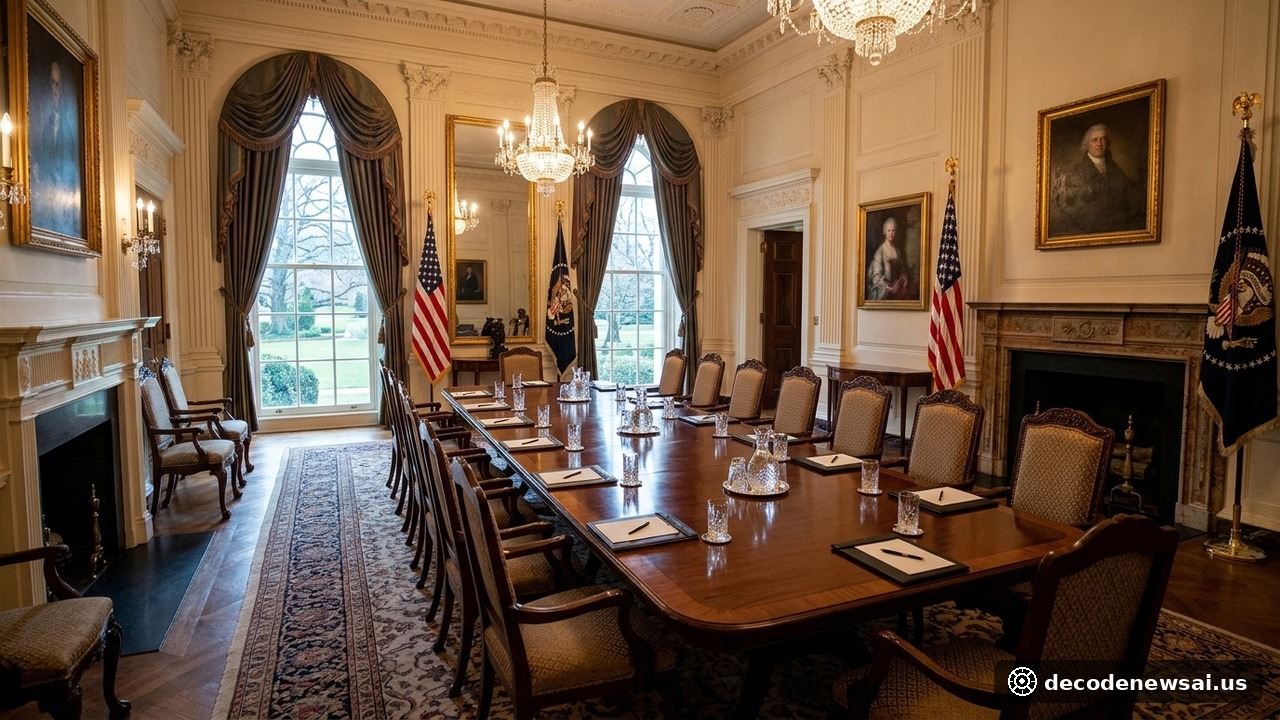
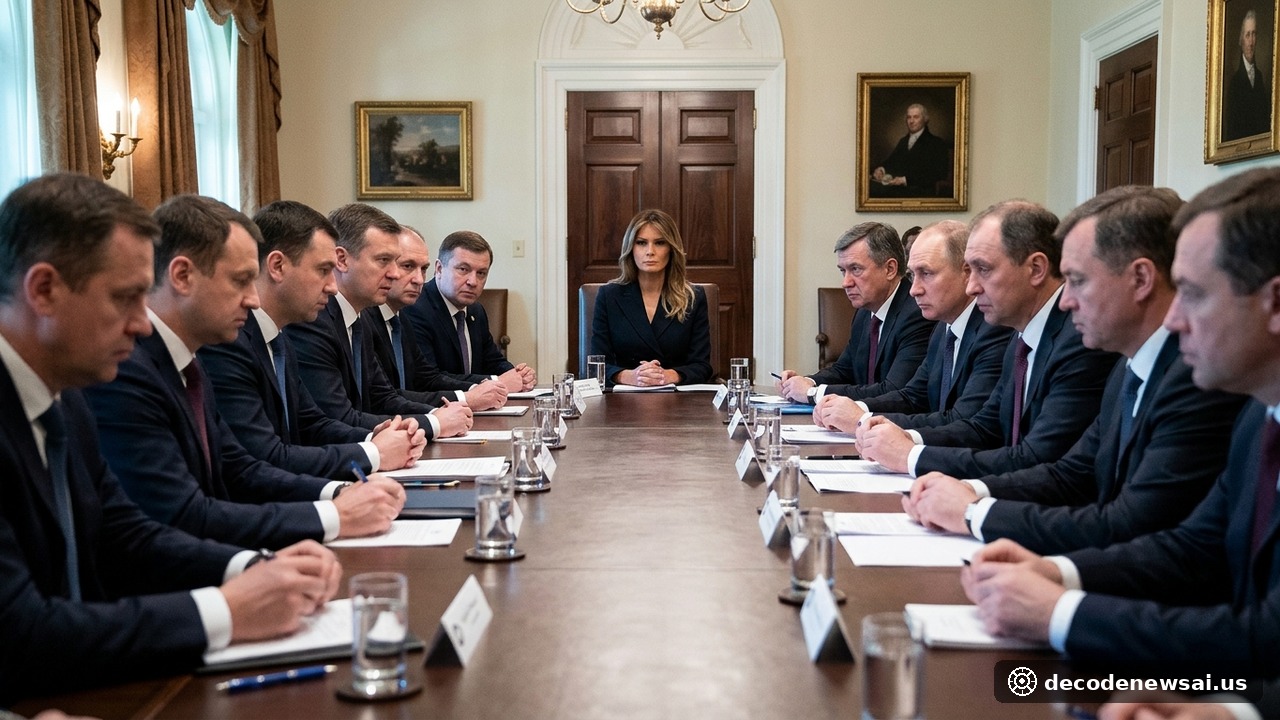
Despite the tangible humanitarian rescue achieved, the physical presence of sanctioned Russian officials inside the Executive Mansion ignited intense debate across Western national security corridors.
Ukrainian delegates reiterated that their participation was dictated strictly by an urgent moral imperative to extract wounded non-combatants and children, emphasizing that technical coordination must never be conflated with sovereign territorial concessions. Analysts from the Institute for the Study of War (ISW) observed that the Kremlin leveraged the Oleshky corridor to cultivate diplomatic rapport with the White House following the seismic political realignment of the U.S. midterm elections, attempting to project diplomatic openness while continuing missile strikes against urban logistical infrastructure in western regions.
International diplomatic observers emphasized that the White House meeting establishes an unprecedented precedent for direct humanitarian communication amidst high-intensity armed conflict. Throughout previous phases of the war, mediation efforts were conducted almost exclusively through third-party sovereign conduits in Ankara, Doha, or Riyadh. By facilitating a structured discussion directly involving senior Russian and Ukrainian officials on American soil, the administration demonstrated that technical operational protocols can be negotiated to alleviate civilian suffering even while formal peace talks remain stalled.
Furthermore, humanitarian organizations operating on the ground in southern Ukraine have urged both sides to replicate the Oleshky evacuation model across contested communities along the front lines. Thousands of civilians remain cut off from reliable power, running water, and critical medical supplies in frontline towns across Zaporizhzhia and Donetsk Oblasts. Expanding localized ceasefires could provide vital relief while demonstrating that humanitarian coordination can function independently of broader territorial disputes.
What Structural Precedents Does This Humanitarian Initiative Establish for European Security?
Following the conclusion of the White House event, President Donald Trump remarked to reporters in the Oval Office that a "big, beautiful agreement" addressing the broader war—potentially reshaping continental European defense structures—could materialize rapidly.
The execution of the Oleshky humanitarian accord demonstrates that even amid total conventional military attrition, micro-level operational truces can be forged through high-level informal diplomatic channels. As a reconstituted United States Congress prepares to impose heightened statutory fiscal scrutiny on protracted foreign military authorizations, Melania Trump's high-profile mediation establishes an influential diplomatic backchannel that may serve as an indispensable bridge toward broader territorial and security negotiations.