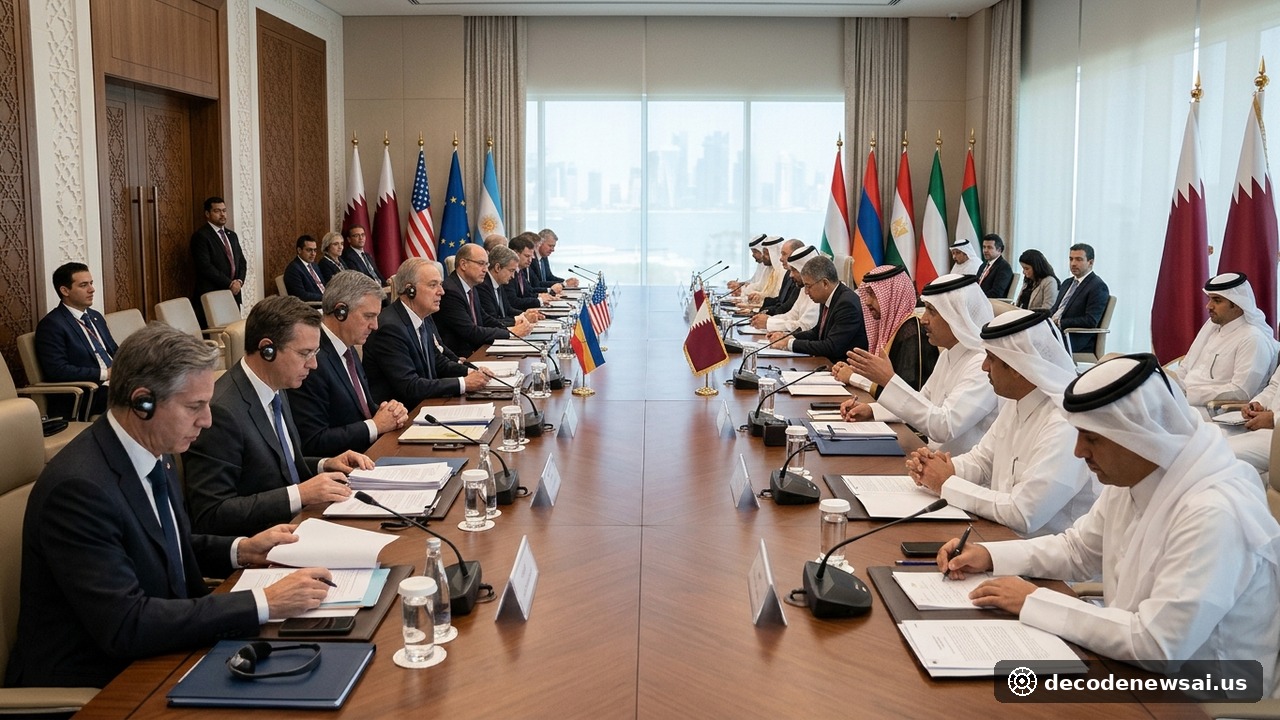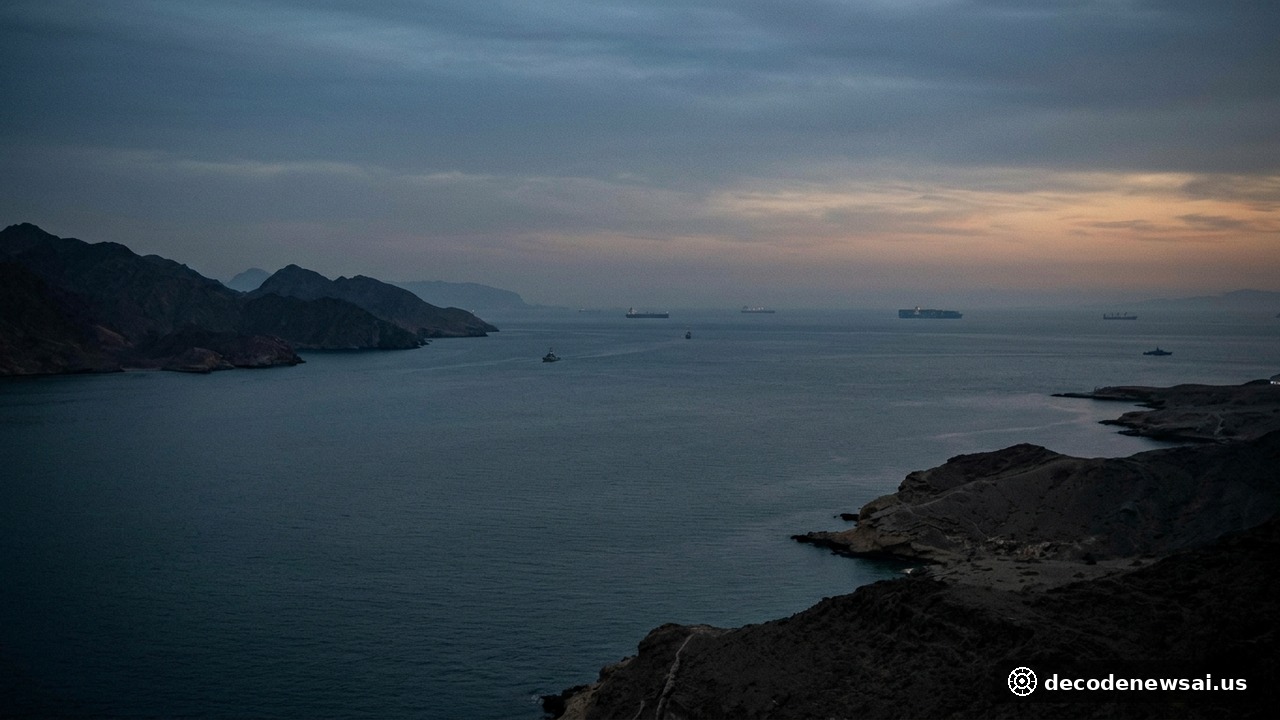
The Government of Qatar formally delivered a high-stakes two-stage, 48-hour diplomatic framework to senior United States and Iranian interlocutors on November 6, 2026, seeking to halt escalating naval combat and avert an all-out regional confrontation across the Persian Gulf. However, Mohsen Rezaei, Secretary of Iran's Supreme National Security Council, reaffirmed following high-level consultations in Moscow that Tehran has submitted seven non-negotiable preconditions—demanding the complete removal of American economic sanctions, the unfreezing of sovereign Iranian financial assets, and formal war reparations—insisting that the vital Strait of Hormuz will remain sealed to international commercial maritime traffic until every demand is fully satisfied by Washington.
What Are the Quantifiable Metrics and Shipping Disruption Figures in the Hormuz Crisis?
- Total Core Iranian Preconditions for Talks: 7 Demands (Sanctions Relief, Reparations, Troop Drawdown)
- Commercial Vessels Struck Since Conflict Outset: Over 120 Tankers and Cargo Carriers Damaged
- Decline in Qatari Crude Transit Through Strait: Fallen from 517,000 to 193,000 Barrels/Day (>60% Drop)
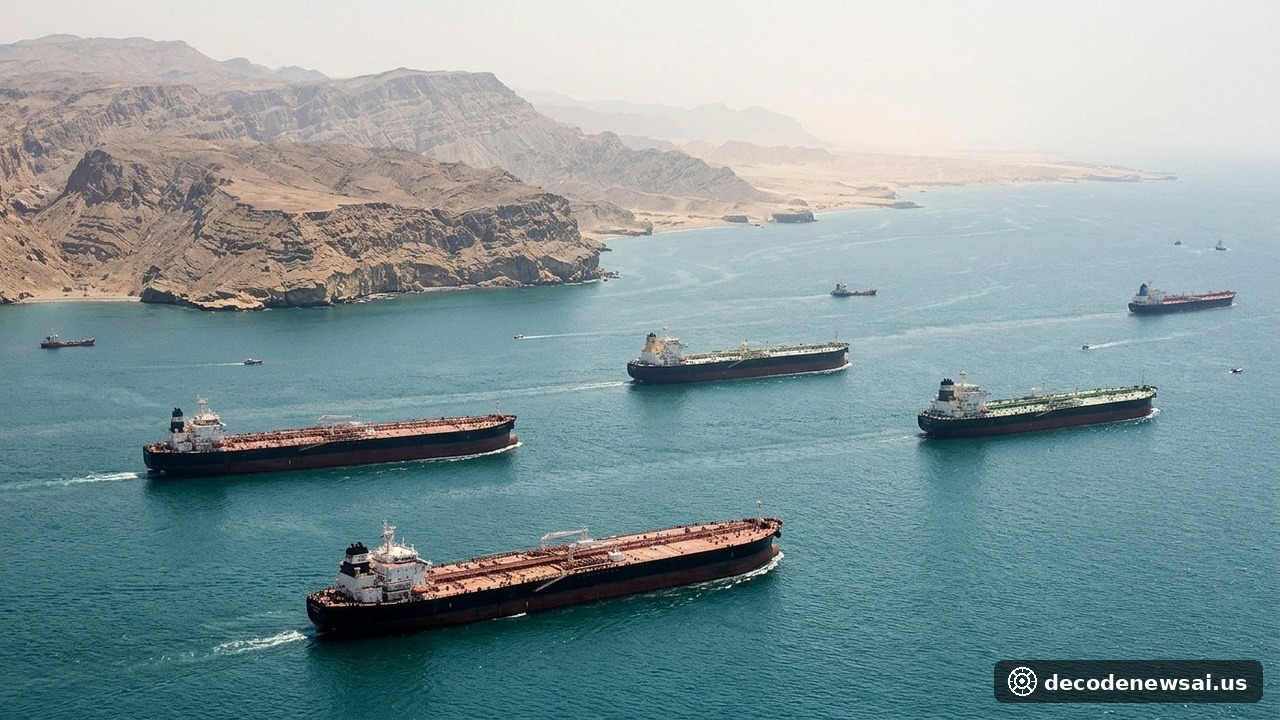
The economic stakes driving Doha's mediation are acute. According to tanker tracking data compiled by Kpler and corroborated by regional shipping registries, daily crude oil volumes transiting the congested waterway have collapsed precipitously from pre-war baselines of 10.23 million barrels per day. The blockade has disproportionately stranded Asia-bound energy supplies, with roughly 42% of typical Hormuz crude historically destined for China and 13% for India. Furthermore, Qatar's own seaborne crude transits have contracted by over 60%, plummeting to 193,000 barrels daily and motivating Qatari Prime Minister Mohammed bin Abdulrahman Al Thani to aggressively pursue rapid conflict de-escalation protocols.
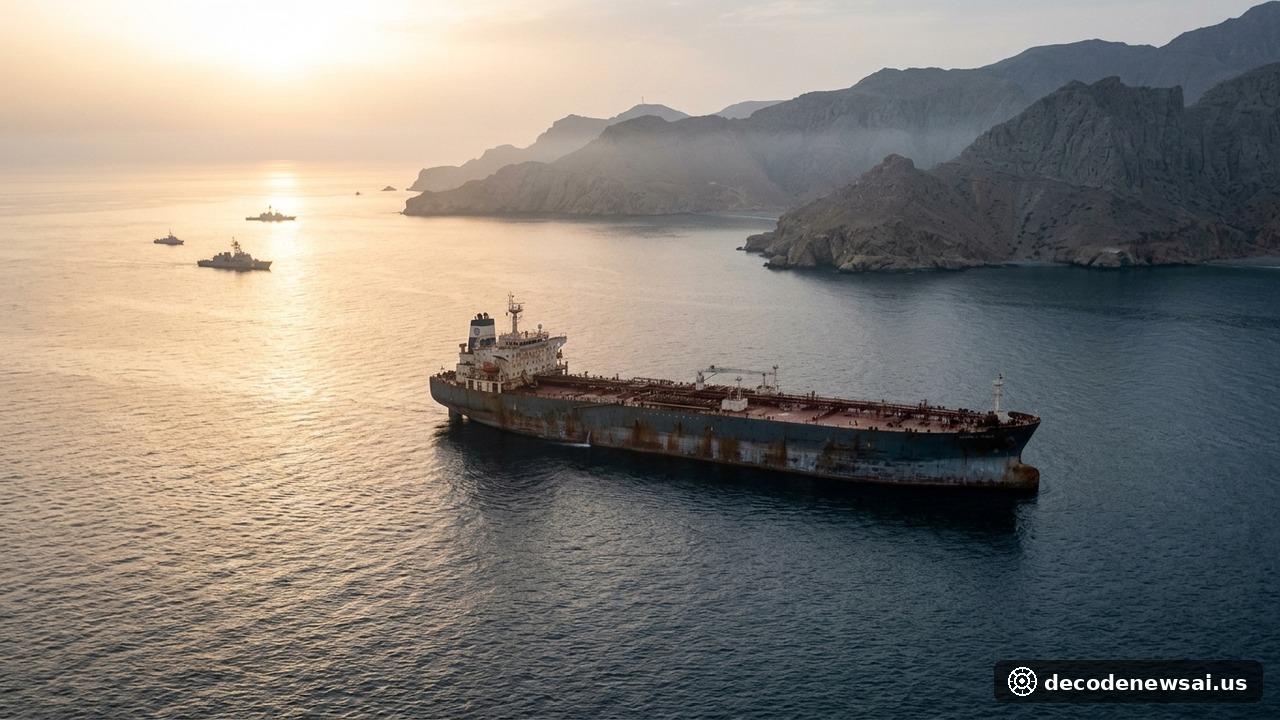
International energy markets have reacted violently to the prolonged maritime interdiction. Brent crude benchmarks surged near $99 per barrel on November 6 following reports that two additional commercial tankers sustained mine damage along deep-water navigation routes, confounding insurance syndicates and prompting multinational container carriers to divert voyages around the Cape of Good Hope.
How Does Qatar's Two-Stage Sequenced Framework Attempt to Reconcile Irreconcilable Demands?
The confidential 48-hour draft submitted to the White House and Iran's Supreme National Security Council represents an intricate compromise designed to overcome chronic sequencing impasses. Under Stage 1, spanning the initial 24 hours, the United States would agree to suspend maritime interdiction operations and permit humanitarian access to designated Iranian financial reserves, while Iran would formally re-admit International Atomic Energy Agency (IAEA) inspectors to verify activity at declared enrichment complexes.
Under Stage 2, regional littoral states alongside neutral international de-mining vessels would coordinate joint sweeping operations to neutralize free-floating acoustic and magnetic contact mines across international shipping lanes, allowing escorted merchant tankers to resume scheduled sailings. However, Iranian hardliners assert that the framework leaves unresolved Iran's demands for structural war indemnities, while newly empowered congressional leadership in Washington cautions against premature sanctions relief without verifiable nuclear dismantling.
What Are the Far-Reaching Geopolitical Repercussions for Global Energy Architecture?
The outcome of Qatar's intensive 48-hour diplomatic intervention carries generational consequences for global macroeconomic stability and the geopolitical architecture of the Middle East.
Following the seismic power shifts emerging from the 2026 U.S. midterm elections, the incoming congressional leadership is preparing to exert rigorous statutory oversight regarding protracted military expenditures and overseas engagements. If Doha's sequenced compromise fails to dismantle the blockade, the prolonged weaponization of maritime chokepoints will accelerate structural shifts among major energy-importing economies toward alternative land pipelines and synthetic fuels, while forcing traditional Gulf monarchies to reassess historic security guarantees in favor of decentralized multi-aligned defense partnerships.