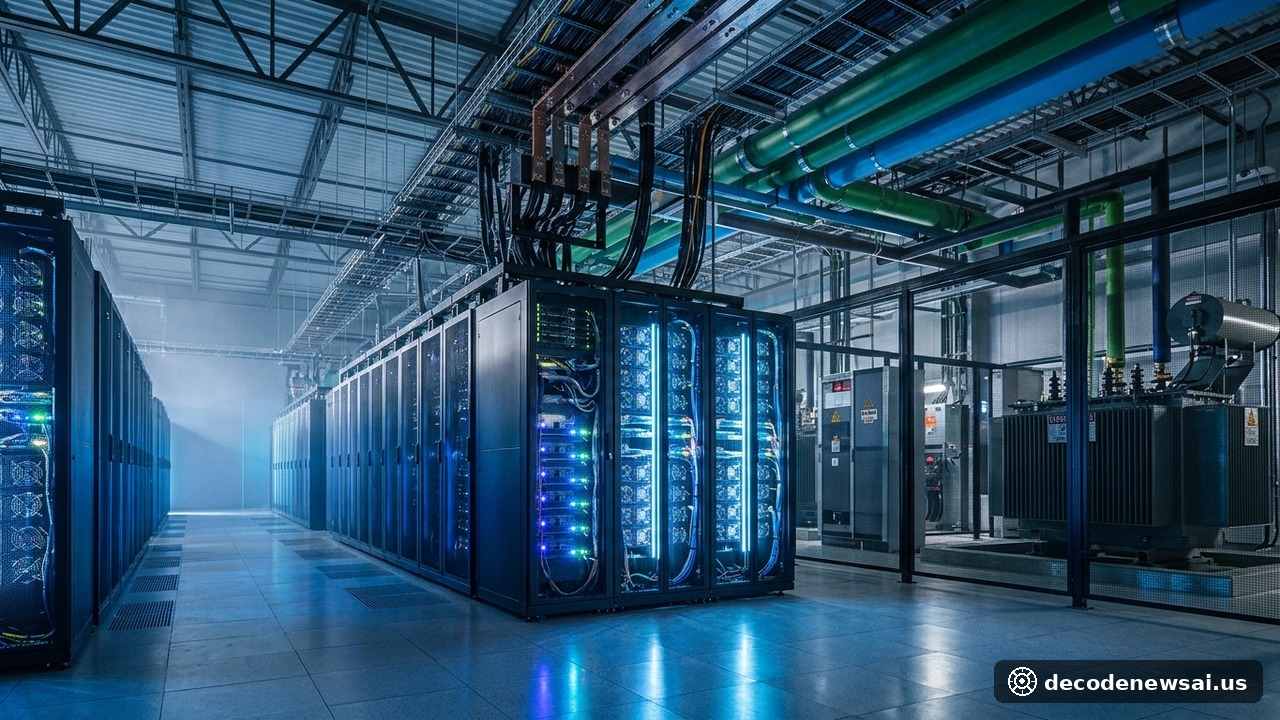
TeraWulf Inc. (Nasdaq: WULF), a leading developer and operator of vertically integrated, zero-carbon digital infrastructure for artificial intelligence and high-performance computing (HPC), officially reported its financial results for the third quarter of fiscal 2026 on November 6, 2026. Driven by overwhelming enterprise demand for high-density power interconnects, the company's consolidated quarterly revenue climbed to $76.2 million, with dedicated HPC hosting and lease revenue soaring 97% quarter-over-quarter to $63.0 million, representing roughly 83% of aggregate business revenue. Supported by non-cash fair-value mark-to-market adjustments on Google equity warrants and gains realized from joint venture asset sales, TeraWulf achieved GAAP net income of $709.9 million, successfully executing an operational turnaround from prior quarterly losses.
What Are the Quantifiable Financial and Operational Metrics Disclosed in TeraWulf's Q3 Report?
- Total Consolidated Q3 Revenue: $76.2 Million (+70% Sequential Expansion)
The operational economics of HPC leasing demonstrated compelling margin performance. TeraWulf recorded an adjusted HPC leasing gross profit margin of approximately 83%, trending within striking distance of the executive committee's long-term steady-state target of 85%.
How Do Google's Credit Backstop and the Anthropic Anchor Lease De-Risk Long-Term Returns?
The structural centerpiece of TeraWulf's corporate repositioning is its twenty-year, $19 billion master infrastructure agreement executed with artificial intelligence leader Anthropic.
Crucially, on November 4, 2026, Alphabet Inc.'s Google formally executed a multi-billion-dollar credit backstop covering Anthropic's lease obligations. This investment-grade credit enhancement effectively eliminates tenant default counterparty risk, enabling TeraWulf to access debt markets at attractive utility-grade borrowing rates. By locking in twenty years of contractual high-margin revenue backed by the balance sheet of a mega-cap hyperscaler, TeraWulf has completed its strategic transformation away from volatile cryptocurrency mining toward becoming an indispensable AI infrastructure landlord.
Equity research analysts across major investment banks emphasized that long-term contract structures insulate TeraWulf from short-term fluctuations in AI venture capital spending. The twenty-year duration of the Anthropic master lease provides revenue predictability comparable to regulated electric utility assets, distinguishing the company from speculative infrastructure developers. With Google's credit backing guaranteeing lease cash flows, TeraWulf can secure attractive project financing terms for future data center expansions across North America.
Additionally, the transition to high-performance computing hosting represents a substantial reduction in operational earnings volatility. While legacy digital currency mining operations required continuous capital reinvestment to replace depreciating specialized computing chips, HPC tenant leases shift hardware procurement costs directly to the customer. This asset-light hosting framework allows TeraWulf to focus exclusively on power procurement, land development, and substation maintenance.
What Does TeraWulf's Pivot Portend for the Global Race for AI Power Interconnections?
TeraWulf's quarterly results underscore that the definitive rate-limiting factor for artificial intelligence advancement has definitively shifted from silicon availability to access to high-voltage electric transmission interconnects.
As frontier research laboratories scale clusters requiring hundreds of thousands of interconnected GPUs, energized land parcels with immediate access to gigawatt-scale hydro and nuclear power assets command historic valuation premiums. Although TeraWulf's equity experienced intraday volatility as traders digested capital expansion outlays and past equity dilution, the company's fortress liquidity reserve of $2.4 billion, coupled with near $20 billion in contracted multi-decade backlogs, cements its positioning at the forefront of the global energy-compute convergence.