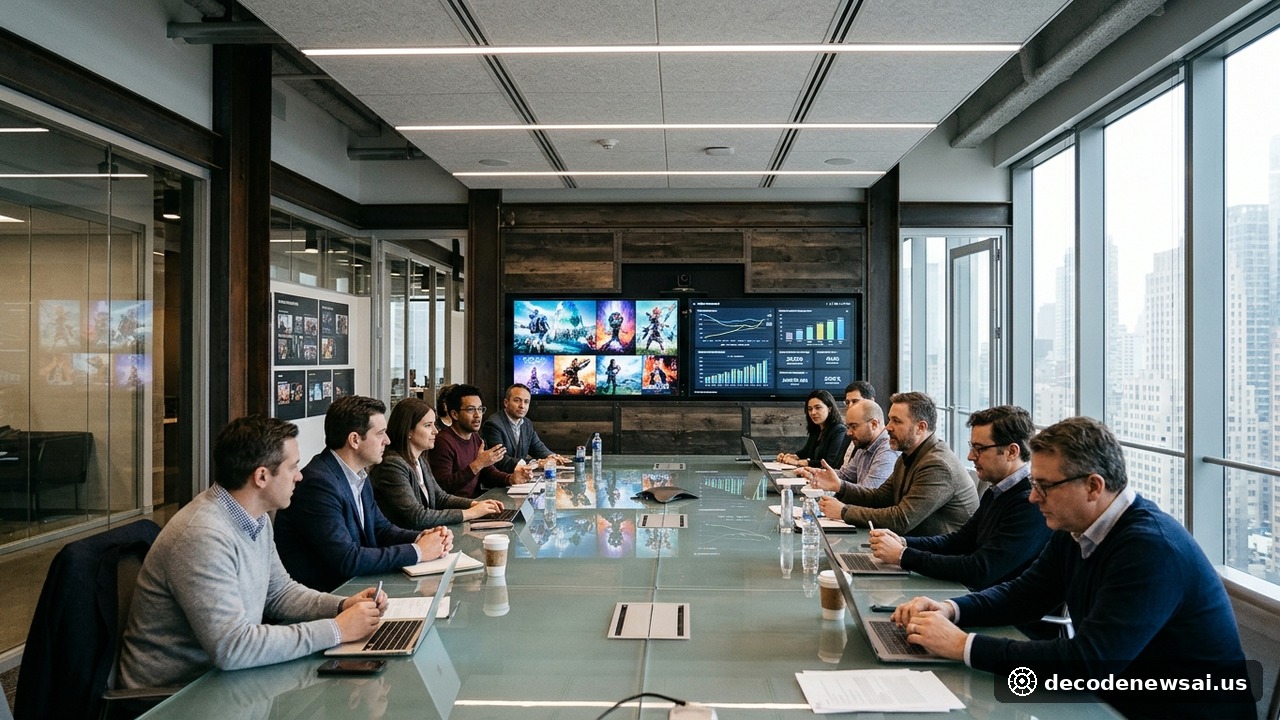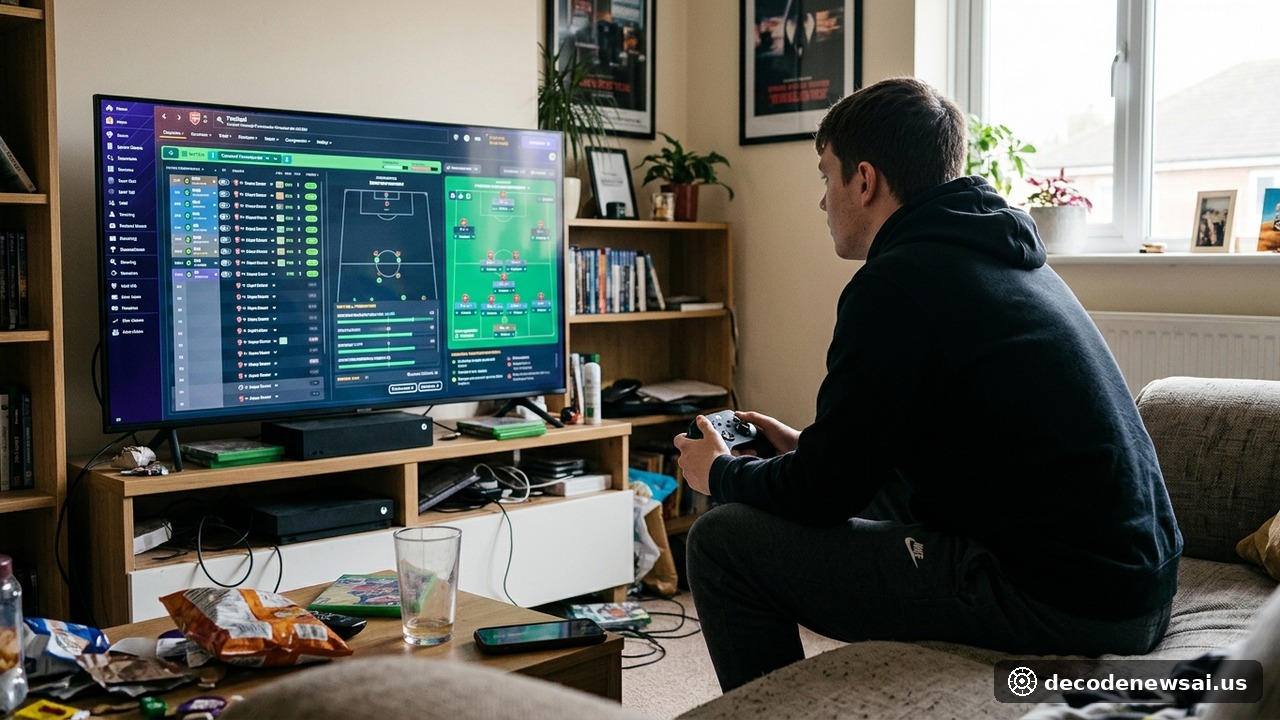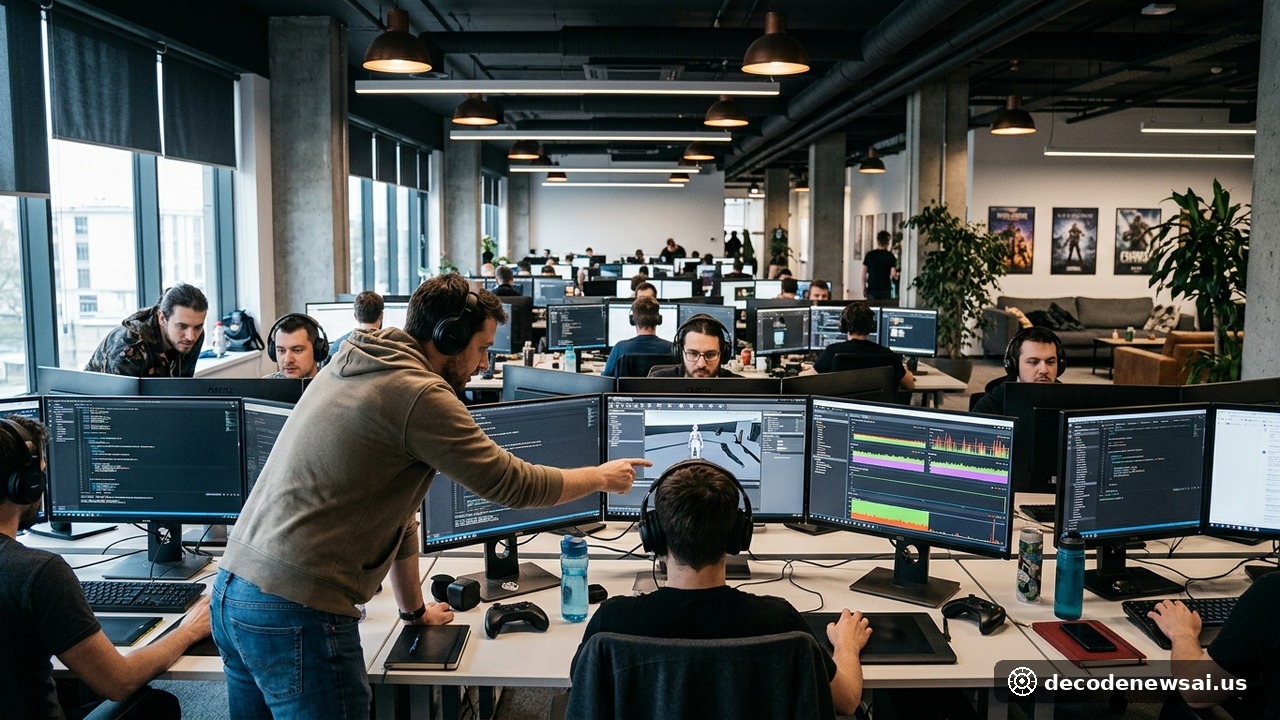
Saudi Arabia's Public Investment Fund (PIF) and private equity firm Silver Lake are actively exploring a joint acquisition of game engine provider Unity Software (NYSE: U) in a transaction that could value the developer at between $21 billion and $25 billion. Financial and gaming industry reports confirmed on November 6, 2026, that preliminary takeover discussions are underway, coming just three months after the same investor consortium finalized a $55 billion take-private buyout of video game publisher Electronic Arts (EA). If consummated, the deal would place control of one of the world's most critical real-time 3D development platforms directly under Saudi sovereign capital.
What Are the Key Valuation and Financial Metrics Behind the Proposed Unity Deal?
- Consortium Buyout Price for Electronic Arts: $55 Billion (Closed August 4, 2026)
- Unity Share Price Movement Post-Report: Up Nearly 15%
The investment group comprising the Public Investment Fund (PIF) and Silver Lake targets a foundational asset in interactive digital entertainment. Unity ranks as the second-most widely deployed real-time development engine globally behind Epic Games' Unreal Engine. Its software architecture underpins blockbuster titles including Genshin Impact, Hollow Knight, and Among Us, while increasingly serving automotive dashboard engineering, aerospace visualization, architectural design, and digital twin pipelines across global enterprise clients. Saudi Arabia has established major equity holdings across Capcom, Nintendo, and mobile giant Scopely; securing ownership of Unity would complete a historic vertical integration across runtime code, consumer distribution, and intellectual property.
Industry analysts emphasize that controlling Unity would provide the consortium with structural leverage over the mobile and cross-platform publishing ecosystem. Over 70% of top-grossing mobile games utilize Unity's runtime architecture or its integrated monetization software development kits (SDKs). By bringing Unity into the same portfolio as Electronic Arts, the consortium could theoretically coordinate game development cycles, share proprietary rendering innovations across studios, and extract substantial procurement synergies across server hosting and software licensing agreements.
Why Did Unity Become an Attractive Buyout Target After Its Runtime Fee Controversy?
Those painful interventions culminated in robust financial performance for the third quarter of 2026. Unity generated $622.1 million in quarterly revenue, reflecting a 32% year-over-year surge, and recorded its first positive GAAP operating profit since its 2020 initial public offering on the New York Stock Exchange. Despite that financial milestone, public market volatility surrounding digital advertising and game monetization has hindered long-term structural reinvestment. Taking the company private alongside a seasoned technology sponsor like Silver Lake offers executive leadership shelter from quarterly shareholder earnings scrutiny, enabling uninterrupted engineering focus on foundational multi-threaded rendering pipelines and machine learning physics simulation.
Furthermore, private ownership would insulate Unity from wall street sentiment swings regarding interactive software monetization. In recent quarters, public technology equities have faced sharp valuation corrections whenever game ad network metrics softened. Under private equity management, Unity can execute multi-year infrastructure upgrades, modernize its high-definition render pipeline (HDRP), and rebuild trust with independent studios without having to justify short-term margins on quarterly earnings calls.
How Will Regulators and Independent Studios Respond to Vertical Gaming Consolidation?
While buyout talks remain fluid and have not yet yielded a binding merger agreement, industry stakeholders and antitrust enforcement agencies are already evaluating potential market fallout. Independent development collectives have voiced concern over sovereign control of essential developer tooling, questioning whether engine access, runtime royalty frameworks, or content guidelines might face political interference. Furthermore, because the PIF-led syndicate already owns Electronic Arts, international competition watchdogs will rigorously scrutinize the anti-competitive implications of combining a major game publishing conglomerate with the software engine relied upon by thousands of rival developers.
Formal regulatory reviews, including scrutiny by the Committee on Foreign Investment in the United States (CFIUS), will pose substantial clearance requirements before any transaction can cross the finish line. CFIUS officials are expected to examine whether foreign sovereign control over enterprise visualization software poses supply chain or dual-use technological risks, particularly given Unity's growing military and simulation contracts with Western defense departments. Until formal definitive documentation is drafted and submitted to antitrust authorities in Washington and Brussels, the future governance of gaming's core runtime engine remains suspended between sovereign ambition and independent developer skepticism.