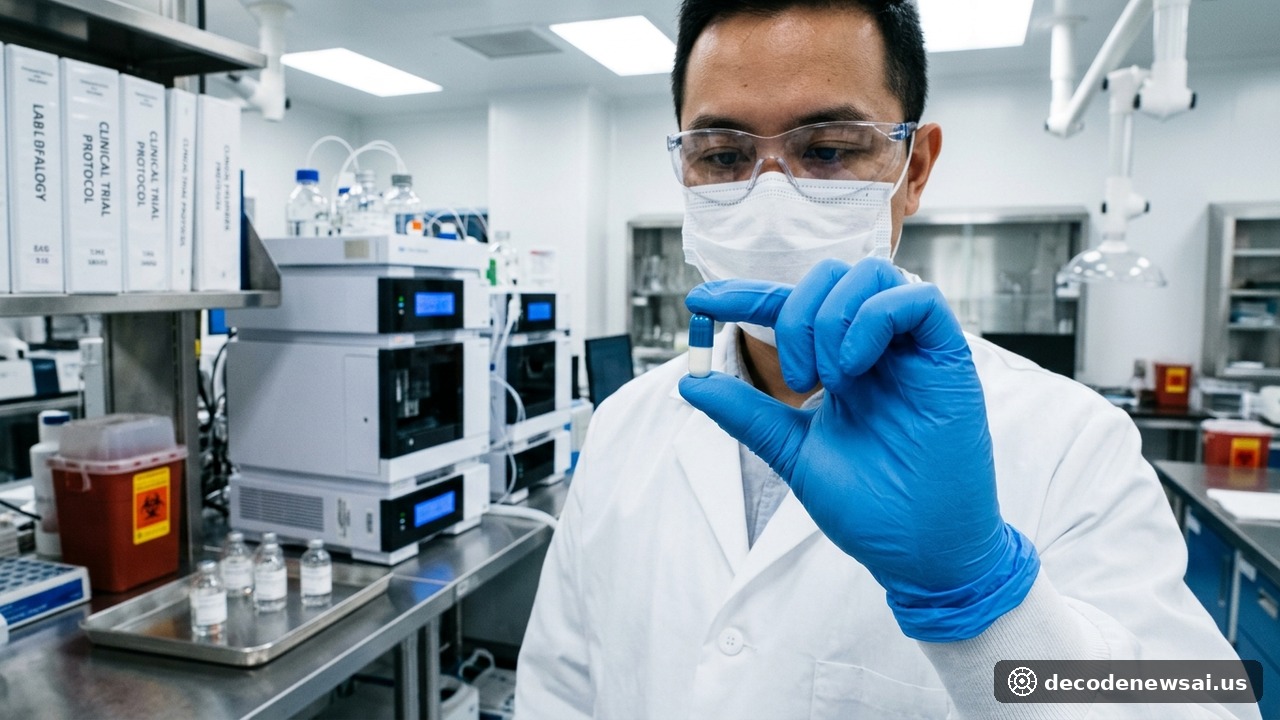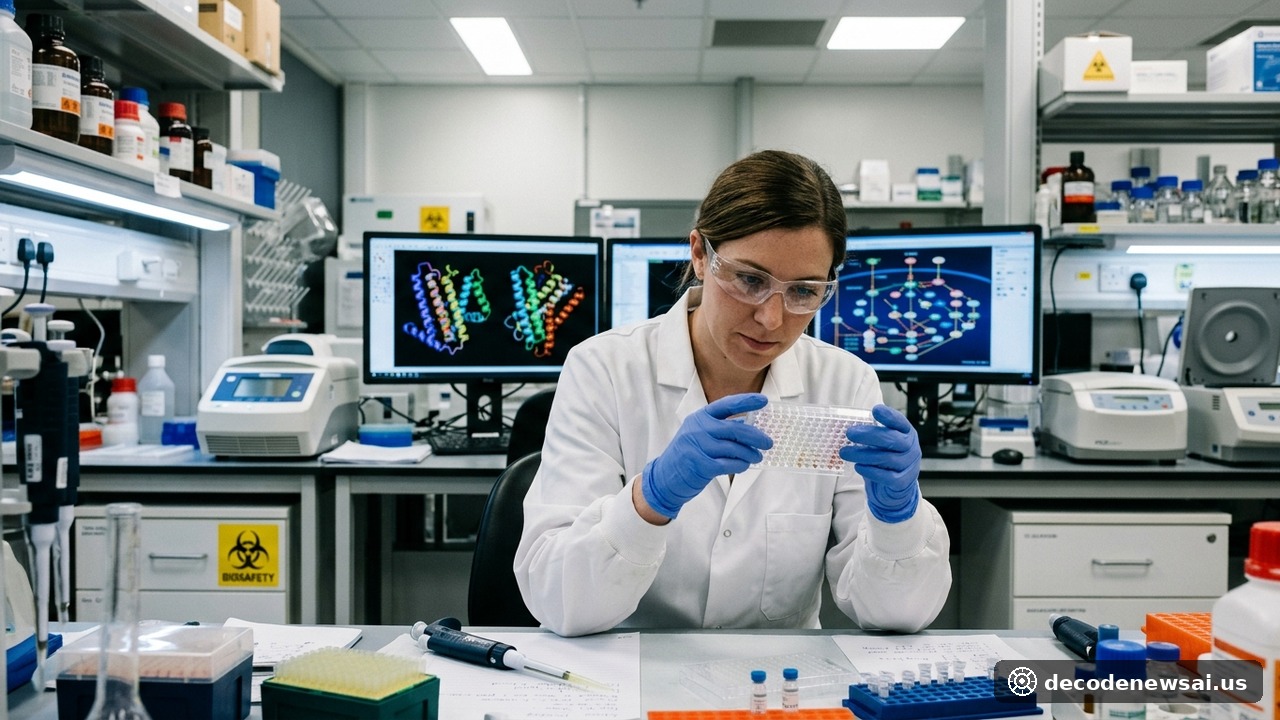
Clinical-stage biotechnology enterprise Octant, Inc., a pioneer in high-throughput synthetic biology and multiplexed cellular drug discovery platforms, officially announced on November 6, 2026, that the United States Food and Drug Administration (FDA) Office of Orphan Products Development has granted Orphan Drug Designation (ODD) to its lead investigational therapeutic candidate, OCT-980. Developed as a first-in-class oral small-molecule pharmacological chaperone for the treatment of rhodopsin-associated autosomal dominant retinitis pigmentosa (adRP), OCT-980 is currently undergoing clinical evaluation in a multicenter Phase 1/2 clinical study assessing safety, tolerability, and pharmacokinetics in adult patients.
What Are the Core Regulatory Metrics and Pharmacological Milestones for OCT-980?
- Regulatory Status Conferred by the United States FDA: Orphan Drug Designation (ODD, 7-Year Market Exclusivity)
- Target Ophthalmic Indication and Underlying Mutation: Rhodopsin (RHO)-Associated Autosomal Dominant RP
- Mode of Therapeutic Administration vs Viral Gene Vectors: Oral Small Molecule (Eliminating Invasive Eye Injections)
Retinitis pigmentosa (RP) encompasses a genetically heterogeneous group of rare inherited retinal dystrophies characterized by progressive photoreceptor cell loss, nyctalopia, and irreversible peripheral visual field constriction culminating in legal blindness. Mutations within the rhodopsin (RHO) gene constitute the single largest molecular etiology of autosomal dominant retinitis pigmentosa (adRP), accounting for approximately 30 percent of dominant cases across Western cohorts. Pathophysiologically, missense RHO mutations cause rhodopsin apoprotein to misfold within the endoplasmic reticulum (ER) of rod photoreceptors, triggering chronic unfolded protein response (UPR) signaling, severe proteotoxic stress, and cellular apoptosis. OCT-980 acts as a targeted pharmacological chaperone, binding selectively to misfolded mutant rhodopsin to stabilize its tertiary structure, promote trafficking through the secretory pathway to the outer segment disk membranes, and suppress destructive ER stress cascades.
How Does Multiplexed Synthetic Biology Accelerate Pharmacological Chaperone Drug Discovery?
Historically, identifying small molecules capable of selectively rescuing specific misfolded transmembrane GPCR proteins without interfering with wild-type function posed near-insurmountable biophysical hurdles.
Octant overcame this bottleneck through its proprietary "Octant Navigator" discovery engine. By engineering genetically barcoded human retinal cell libraries, the platform simultaneously screens thousands of distinct RHO missense mutations against expansive chemical libraries, measuring real-time intracellular protein localization and cellular stress mitigation at single-cell resolution. Discovered through this multiplexed screening framework, OCT-980 was optimized for systemic oral bioavailability and high lipophilicity, enabling the uncharged small molecule to traverse the blood-retinal barrier (BRB) and accumulate in therapeutic concentrations within outer retinal layers following non-invasive oral ingestion.
Clinical ophthalmologists noted that because rhodopsin mutations display dominant-negative behavior—where misfolded proteins disrupt cellular trafficking of normal proteins—small-molecule chaperones offer unique therapeutic advantages over gene addition. By binding directly to nascent mutant rhodopsin peptides within the endoplasmic reticulum, OCT-980 restores normal protein folding kinetics, preserving rod cell structural integrity before irreversible photoreceptor degeneration occurs.
Furthermore, non-invasive oral administration significantly improves patient compliance, particularly among pediatric and adolescent cohorts who are poorly suited for repeated surgical procedures under general anesthesia.
What Are the Broader Health Economics Implications for Inherited Retinal Disease Care?
The granting of Orphan Drug Designation provides essential financial and regulatory incentives designed to de-risk clinical development for ultra-rare indications.
Under the Orphan Drug Act, Octant qualifies for federal research tax credits on qualified clinical testing, clinical protocol assistance, full exemption from FDA prescription drug user fees (saving millions of dollars), and seven years of post-marketing exclusivity upon commercial approval. In stark contrast to customized adeno-associated virus (AAV) gene replacement therapies—which require vitreoretinal surgery, specialized tertiary surgical suites, and astronomical price tags exceeding hundreds of thousands of dollars per eye—an orally bioavailable small-molecule tablet can be distributed through standard retail pharmacies. By lowering administration barriers and targeting the root proteotoxic mechanism driving adRP, OCT-980 represents an accessible pharmacological blueprint for preserving lifelong visual acuity.