- Operational Horizon: 2026 through 2030 (Five-Year Implementation Cycle);Spans 21 malaria-endemic nations in the Americas
- Strategic Vision: Achieve a "Zero Malaria Americas" regional status;Guides remaining endemic countries toward elimination
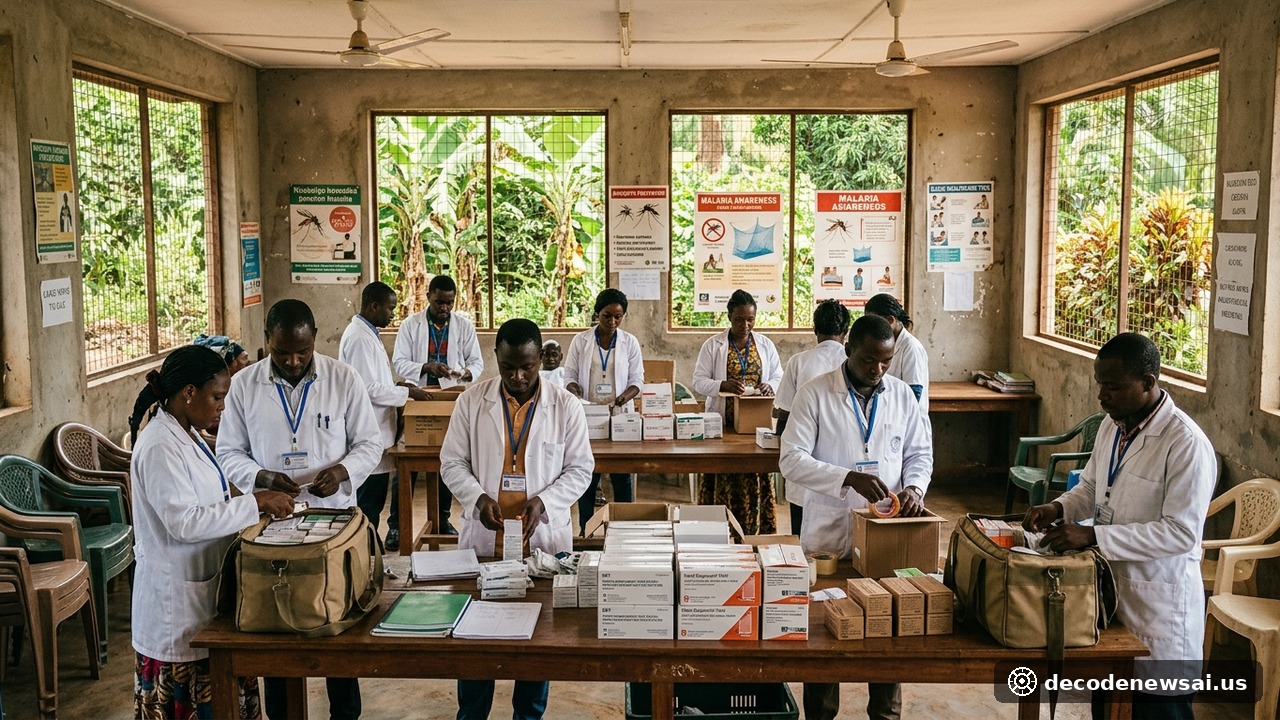
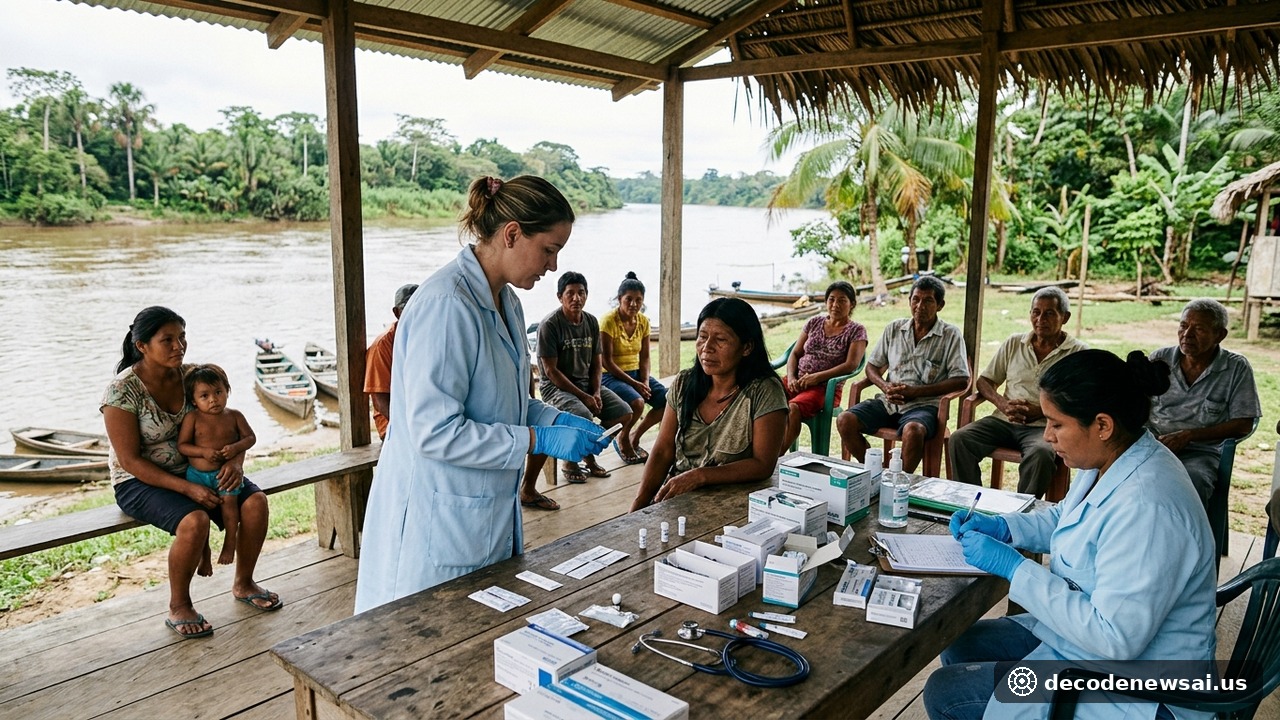
- Priority Populations: Amazon basin miners, indigenous groups, and migrants;Deploys mobile riverine clinical units and local liaisons
Plan sets 24-hour testing and treatment targets
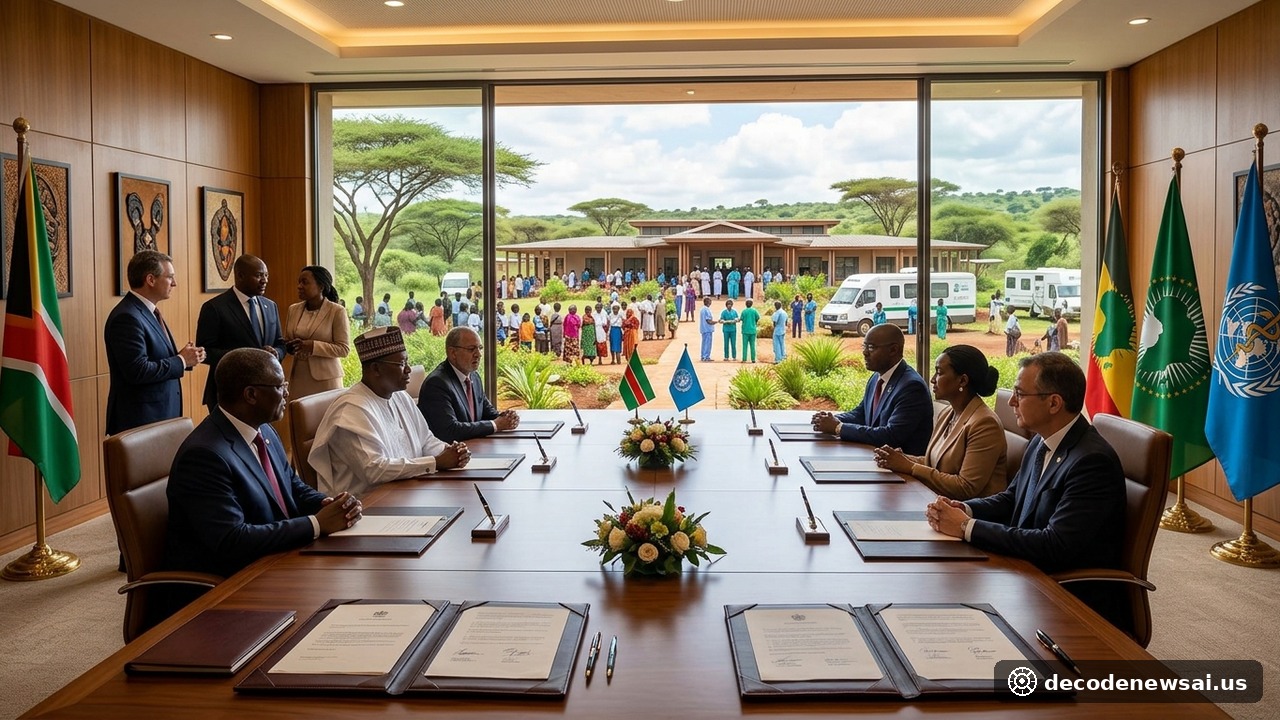
The Pan American Health Organization (PAHO), acting as the Regional Office for the Americas of the World Health Organization, has formally launched the "Plan of Action for Malaria Elimination in the Americas 2026–2030." Approved during high-level ministerial meetings in Brasília, the landmark strategy articulates an ambitious roadmap to halt indigenous malaria transmission throughout Latin America and the Caribbean, establishing a concrete multilateral pathway toward achieving a "Zero Malaria" hemisphere by the close of the decade.
Epidemiological surveillance demonstrates that malaria morbidity in the Americas is concentrated in isolated geographic corridors marked by complex environmental and socioeconomic vulnerabilities. More than 75% of reported cases originate within the dense river networks of the Amazon Basin, driven by informal gold mining settlements, unregulated logging camps, and dispersed indigenous villages. The persistent circulation of Plasmodium falciparum and Plasmodium vivax in these hyper-humid tropical zones has historically been exacerbated by geographical isolation, delayed medical presentations, and intermittent therapeutic supply lines, resulting in severe clinical complications and preventable mortality.
The 2026–2030 Action Plan establishes aggressive diagnostic benchmarks, requiring health authorities to ensure that any individual presenting with acute febrile symptoms in remote endemic areas receives confirmed parasitological testing and initiates appropriate treatment within 24 hours. PAHO is mobilizing widespread distribution of ultra-sensitive rapid diagnostic tests (RDTs) capable of identifying low-density parasitemia in field conditions. Confirmed cases will receive direct, cost-free access to artemisinin-based combination therapies (ACTs), while vivax-endemic regions will expand access to single-dose tafenoquine paired with point-of-care enzymatic screening to prevent recurrent relapses without demanding 14-day primaquine compliance.
PAHO fund pools procurement to cut costs 30%
Financial sustainability and supply security form the second cornerstone of the regional plan. Through the PAHO Strategic Fund, participating member states will pool their procurement volumes for critical antimalarial commodities, including rapid diagnostics, artemisinin formulations, long-lasting insecticidal nets, and vector control insecticides. By standardizing technical specifications and negotiating regional bulk purchase agreements with global manufacturers, the mechanism is projected to lower unit acquisition costs by more than 30%, insulating vulnerable national health budgets from inflationary pressures.
PAHO leadership reiterated that regional elimination demands cross-border coordination among sovereign authorities. By establishing integrated epidemiological health corridors along shared river basins and deploying culturally competent mobile healthcare teams, the strategy ensures that marginalized populations receive equitable healthcare access, bringing the historical promise of a malaria-free Americas within reach.
Global health economists and tropical disease specialists underlined that the 2026–2030 strategic framework represents a vital shift toward decentralized, community-centered primary healthcare delivery across Latin America and the Caribbean. By integrating localized diagnostic capabilities directly within mobile riverine health posts and indigenous community health networks, health ministries can circumvent the chronic logistical bottlenecks that have historically hampered rural medical outreach in the Amazon basin. Furthermore, the strategic consolidation of regional purchasing power provides participating nations with predictable budgetary forecasting, insulating fragile public health programs from international supply chain shocks and accelerating hemispheric progress toward durable disease eradication.