The Pan American Health Organization (PAHO), serving as the Regional Office for the Americas of the World Health Organization (WHO), officially unveiled its landmark strategy document, the "Plan of Action for Malaria Elimination in the Americas 2026–2030," in Brasilia, Brazil, on November 6, 2026. Culminating the high-level Regional Meeting on Malaria Elimination and commemorating Malaria Day in the Americas under the banner "Zero Malaria in the Americas," the four-year framework unites health ministers, national epidemiology directors, and technical partners across more than 20 endemic nations. The plan marks a strategic transition in regional public health, shifting policies from passive sustained disease control toward active, permanent interruption of local transmission and continental elimination.
What Are the Core Operational Milestones and Strategic Targets in the PAHO Malaria Plan?
- Host Nation and Sovereign Venue for Regional Elimination Summit: Brasilia, Brazil (Conducted in Coordination with Endemic States)
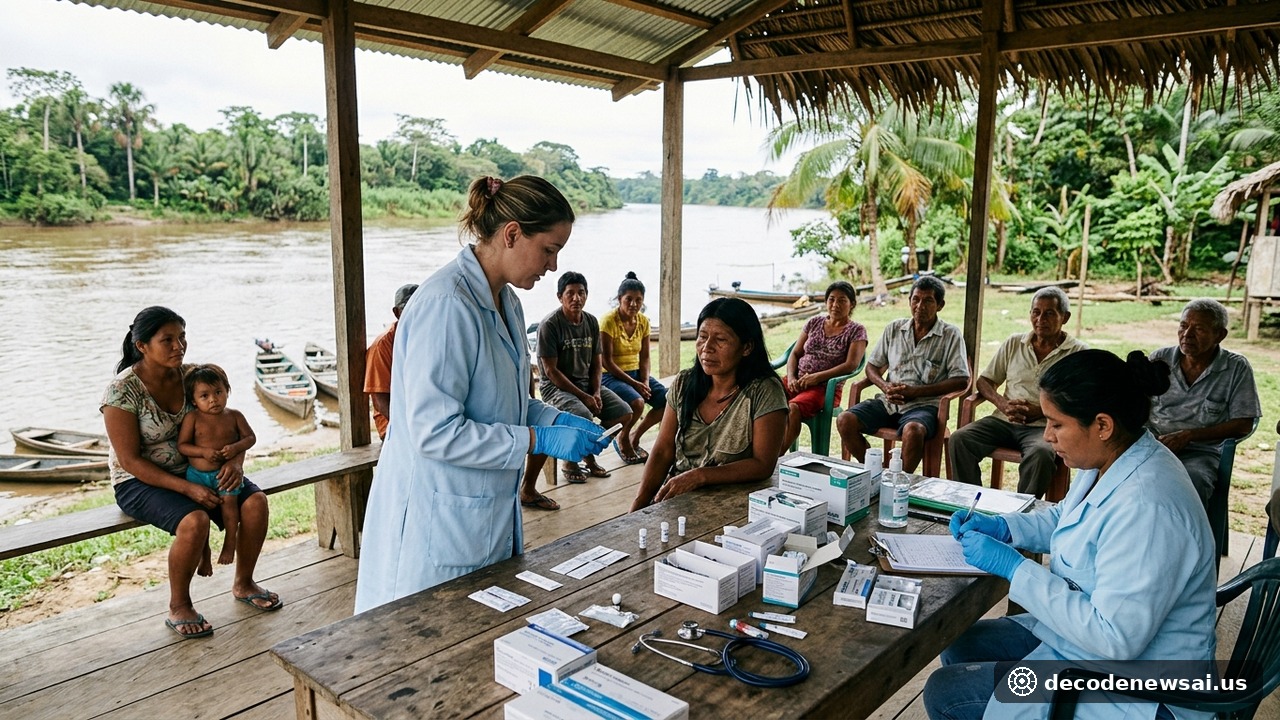
- Core Clinical Response Service Benchmark Mandated for Remote Areas: Diagnosis and Treatment Initiated Within 24 Hours of Symptom Onset
Roberto Montoya, PAHO Regional Malaria Advisor, underscored the operational shift during keynote proceedings in Brasilia: "Historically, populations enduring the heaviest malaria burden reside across remote geographic peripheries—including artisanal mining settlements, logging concessions, and Indigenous territories across the Amazon basin. If our goal is to permanently interrupt Plasmodium falciparum and Plasmodium vivax transmission by 2030, healthcare systems must abandon centralized models that demand symptomatic individuals travel for days to urban centers. The strategic mandate is to deliver high-sensitivity rapid diagnostic tests (RDTs) and artemisinin-based combination therapies (ACTs) directly to point-of-care community health outposts where vulnerable populations live and work."
How Do Decentralized Community Networks and Micro-Diagnostics Overcome Rainforest Barriers?
Across the Amazonian lowlands and Central American transit corridors, geographic isolation, high cross-border human mobility, and shifting vector biting patterns historically thwarted conventional vector eradication efforts.
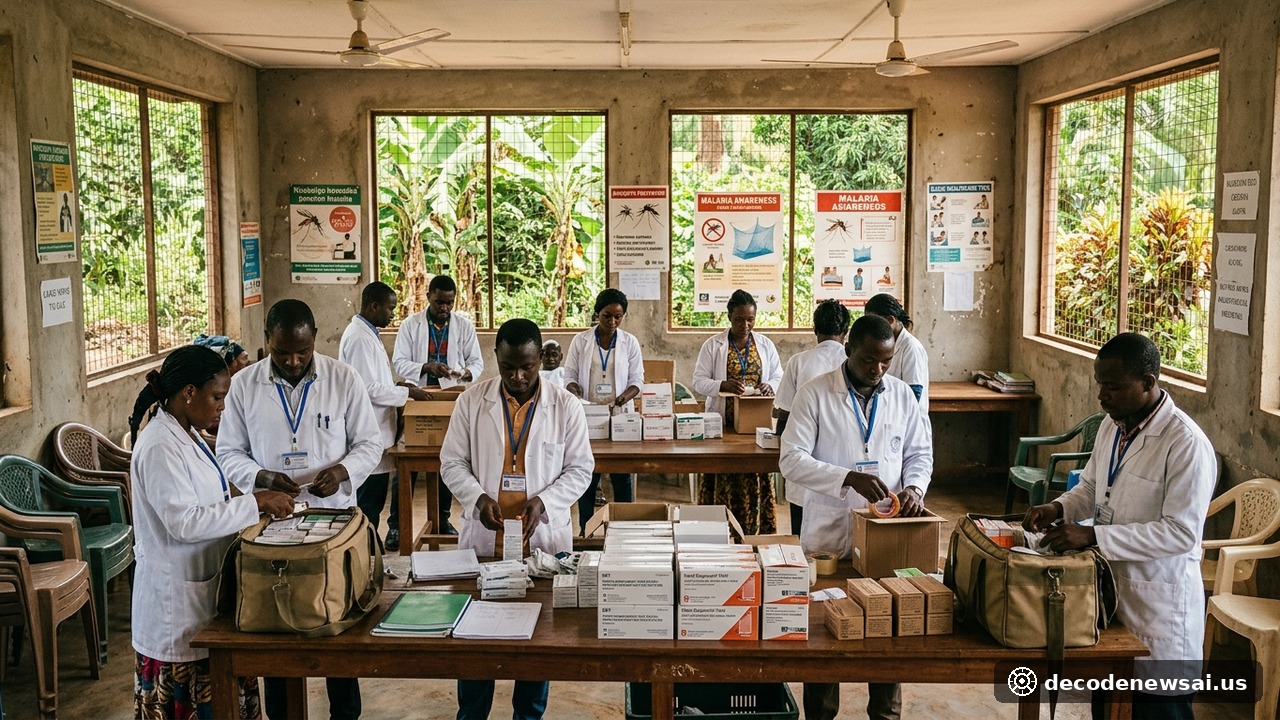
The 2026–2030 Plan of Action counters these frictions by implementing localized transmission mapping and mobile community healthcare sentinel networks. Equipping trained community health facilitators with solar-powered ultra-cold specimen carriers and satellite-linked epidemiological reporting terminals allows local response teams to deploy targeted insecticide-treated net (ITN) perimeters and administer targeted prophylactic therapies within hours of identifying an imported index case. Embedding rapid diagnostics and curative care directly within local community routines prevents infectious gametocyte reservoirs from transferring into local Anopheles mosquito vectors, effectively breaking transmission chains at the source.
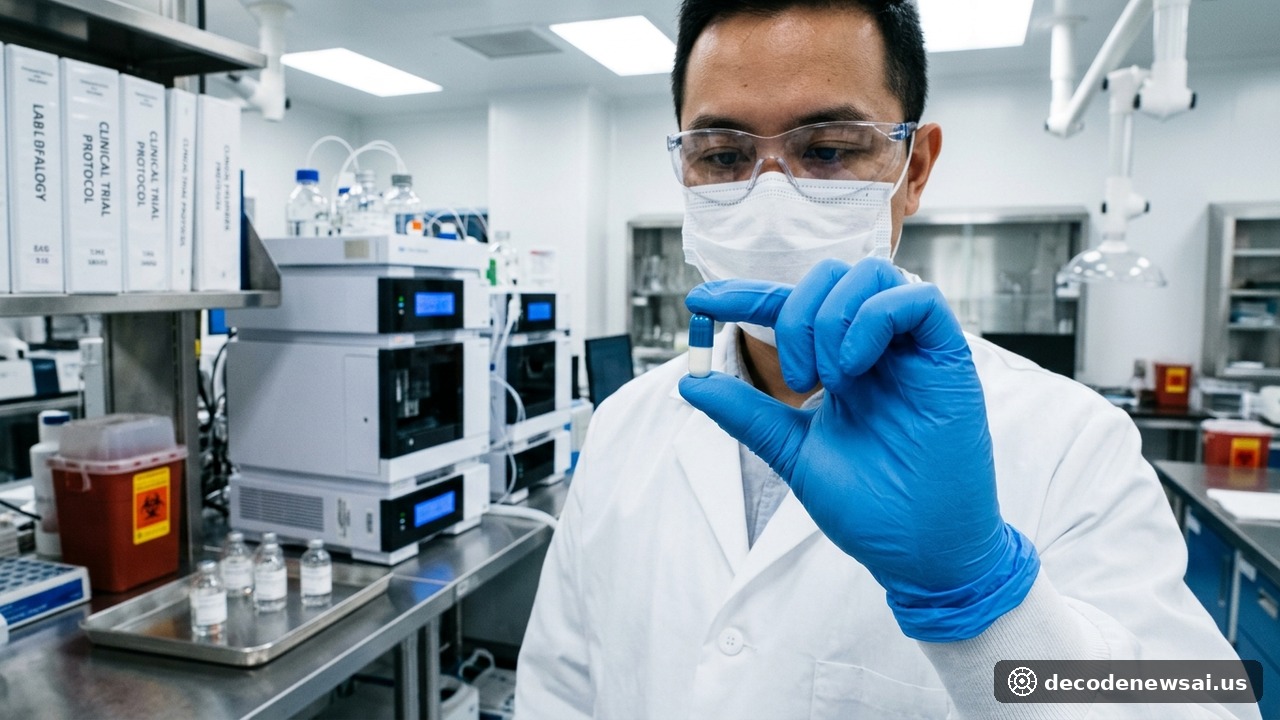
Tropical medicine researchers attending the Brasilia summit emphasized that genomic sequencing of circulating parasites is vital for monitoring emerging resistance mutations against standard artemisinin-based therapies. Establishing regional reference laboratory networks enables public health agencies to rapidly detect therapeutic efficacy declines before treatment failures cascade across porous frontier zones.
Furthermore, climate resilience specialists highlighted that extreme precipitation and seasonal flooding driven by El Niño patterns require dynamic vector surveillance models that adjust insecticide spraying schedules in response to real-time satellite environmental telemetry.
What Global Precedents Does Continental Pan-American Elimination Establish for Health Security?
The Americas have established substantial momentum, with nations including Argentina, El Salvador, and Belize successfully achieving official WHO certification as malaria-free territories over the past decade.
The multilateral operational pact finalized in Brasilia creates institutional scaffolding to transfer technical protocols from certified nations to high-burden areas across Brazil, Venezuela, and Colombia. By mobilizing PAHO's Strategic Fund for pooled procurement of antimalarial medications and long-lasting insecticidal supplies, member states achieve economies of scale that reduce unit acquisition costs by approximately thirty percent. On a global scale, the Pan-American commitment to achieve transmission cessation by 2030 provides an operational roadmap for endemic regions across Africa and Southeast Asia, fortifying global health security perimeters as climate warming expands vector habitats worldwide.