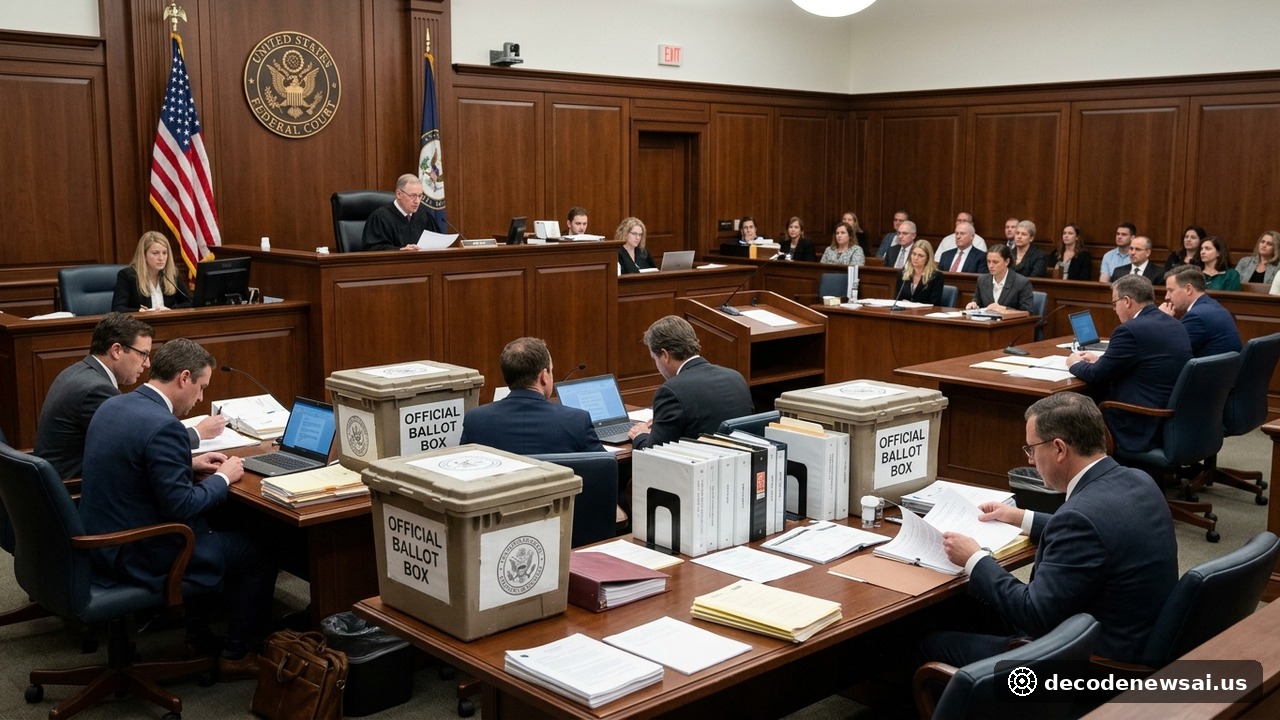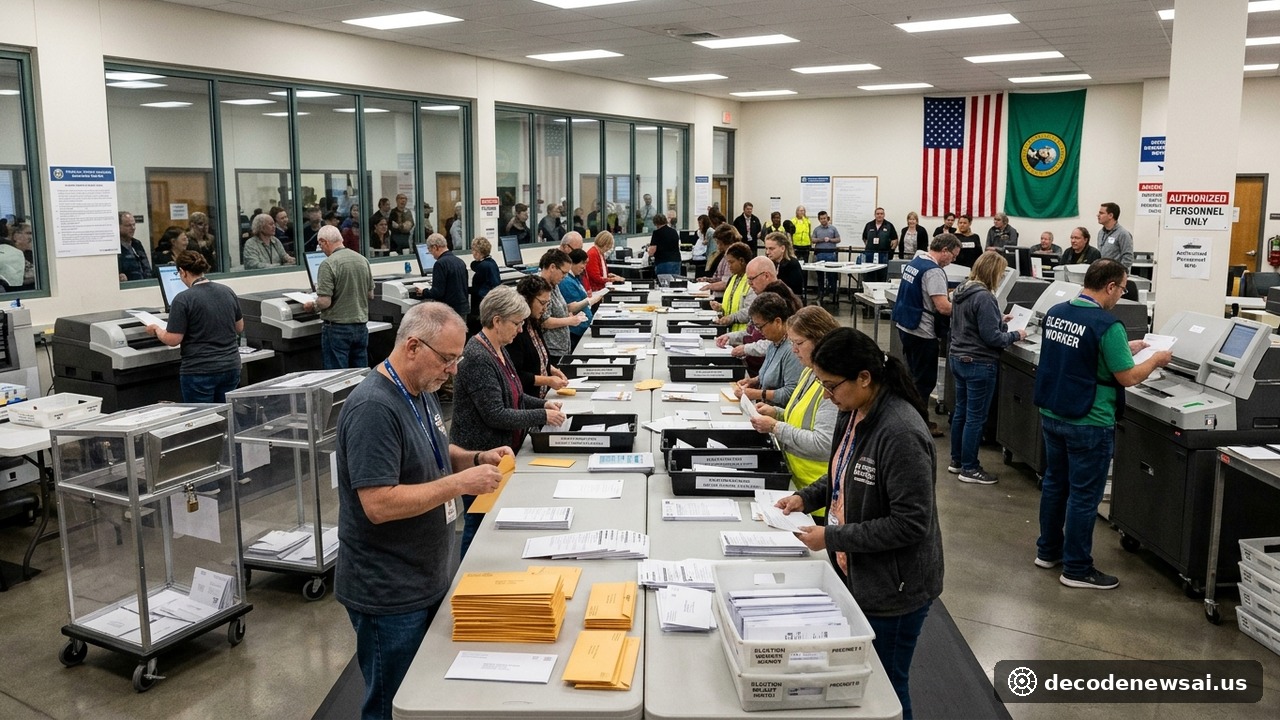
United States District Judge Jamal Whitehead of the US District Court for the Western District of Washington officially issued an emergency temporary restraining order (TRO) on November 6, 2026, barring the Department of Justice (DOJ) from executing unlawful administrative interference during the ongoing canvassing and certification of the 2026 midterm elections. The ruling mandates that while Washington counties count and certify ballots already cast over the next two weeks, the Justice Department is prohibited from demanding that state or county election officials set aside or exclude the ballots of approximately 400 registered voters accused of being noncitizens. The order strictly enjoins federal prosecutors from threatening state election workers with criminal prosecution for administering vote tabulation in strict accordance with state statutory mandates.
What Are the Core Judicial Mandates and Legal Parameters in Judge Whitehead's Restraining Order?
- Temporal Duration Established for Emergency Temporary Restraining Order: Next 2 Weeks (Covering Active Midterm Canvass & Certification)
- Specific Prohibited Federal Conduct Enjoined by the District Court: Criminal Subpoenas, Prosecutorial Threats Against Election Workers
- Civil Rights and Labor Coalition Initiating the Emergency Lawsuit: Voter Mobilization Groups, Labor Unions, and Latino Coalitions
In his memorandum opinion, Judge Whitehead delivered a sharp constitutional rebuke to federal executive overreach: "Under our federalist constitutional framework, the administration, regulation, and certification of congressional and state elections reside preeminently with the sovereign states. At this advanced juncture, when voters across Washington have already cast their ballots and county election officials are actively tabulating returns pursuant to statutory duties, the Justice Department's demand to segregate registered voters' ballots based upon an unsubstantiated federal advisory list—backed by thinly veiled threats of criminal prosecution—inflicts an intolerable due process injury. The federal government possesses no authority to disrupt the statutory tabulation process or disenfranchise registered citizens at the finish line without basic constitutional due process."
How Did Disputed Federal Screening Databases Threaten Fundamental Due Process Rights?
The judicial confrontation erupted after federal prosecutors in Washington transmitted an informal roster of approximately 400 registered voters to Washington Secretary of State Steve Hobbs on October 26, alleging potential foreign nationality and demanding ballot sequestration.
In evidentiary hearings, attorneys representing civil rights plaintiffs demonstrated that the DOJ's internal database relied on outdated immigration registries and administrative clerical errors, erroneously sweeping in lawfully naturalized American citizens who had exercised their constitutional franchise for years. Had county auditors complied with the DOJ's informal demands, registered voters would have faced administrative disenfranchisement without notice, evidentiary review, or statutory administrative recourse. Conversely, had local election workers fulfilled state legal obligations by processing valid ballots, they faced criminal intimidation from federal law enforcement. Judge Whitehead's restraining order eliminated this coercive dilemma, affirming that statutory canvassing processes cannot be overridden by extra-judicial federal pressure.
Constitutional law scholars examining the ruling noted that the federal court's swift intervention reaffirms the fundamental structural principle that administrative agencies cannot circumvent statutory judicial proceedings through informal executive threats. By issuing an immediate restraining order, the judiciary prevented executive overreach from creating chilling effects among front-line election workers.
Furthermore, voting rights litigators emphasized that state canvassing procedures provide established statutory mechanisms for post-election auditing, ensuring that ballot security is maintained without disenfranchising duly registered citizens during active vote tabulation.
What Strategic Precedents Does the Dual Washington-California Ruling Establish for Federalism?
The Western District of Washington's ruling coincides directly with the Justice Department's decision to dismiss its parallel federal lawsuit seeking to force California election officials to segregate thousands of domestic mail-in ballots.
In an election cycle where control of both chambers of Congress hinges upon razor-thin margins in West Coast districts, attempts by executive agencies to deploy federal prosecutorial leverage against state election administrators represent a dangerous institutional stress test. The swift intervention of the federal judiciary in Washington and California establishes an essential precedent: executive branch agencies cannot utilize unsubstantiated voter rolls or unilateral intimidation tactics to paralyze county election administration. The decision safeguards the integrity of the 2026 midterms, ensuring that ballots cast by eligible registered voters are counted, audited, and certified pursuant to the rule of law.