What Are the Core Legal Parameters and Architectural Metrics in the Arch Injunction?
- Proposed Monumental Height Designed for Arlington Triumphal Arch: 250 Feet Tall (Approximately 76.2 Meters in Vertical Elevation)
- Lead Congressional Representative Sponsoring the Emergency Litigation: US Representative Don Beyer (Virginia's 8th Congressional District)
- Core Federal Administrative Statutes Alleged to Have Been Violated: National Historic Preservation Act (NHPA) and Congressional Prerogatives
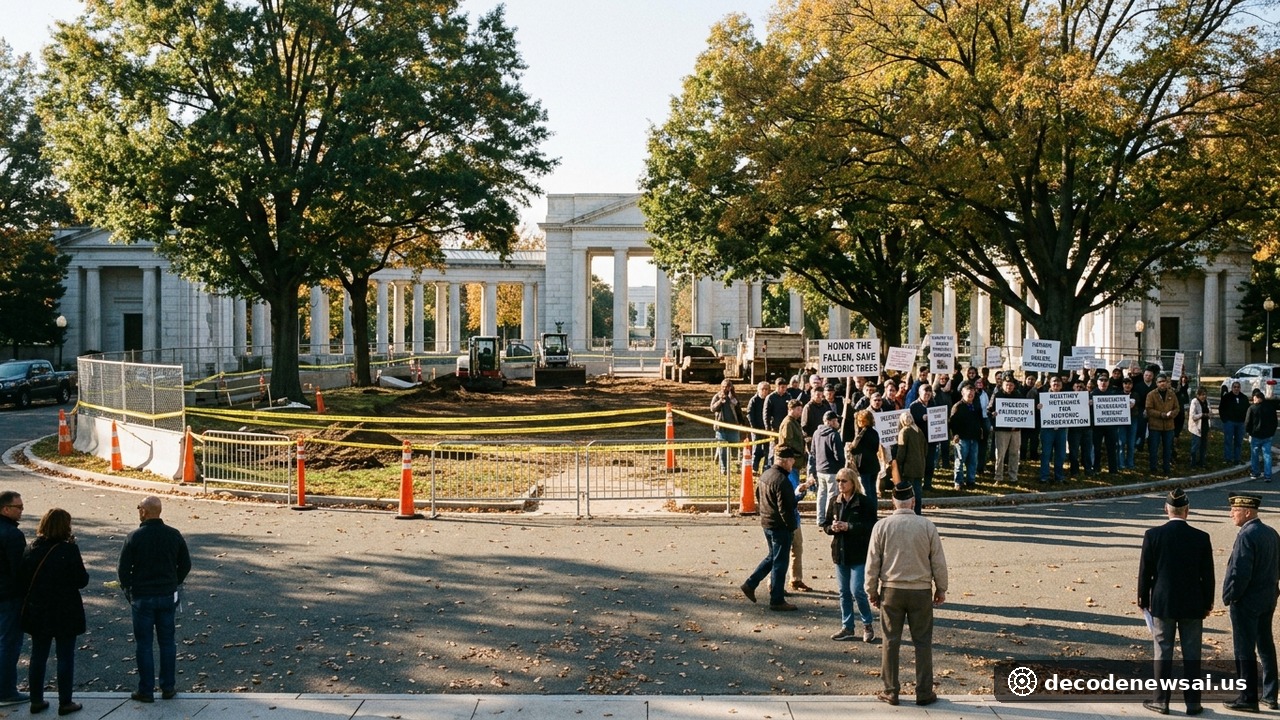
Representative Beyer commended the judicial ruling in an official address: "Arlington National Cemetery stands as sacred ground consecrated by the ultimate sacrifice of hundreds of thousands of American patriots who gave their lives in defense of our republic. Attempting to ram through a grotesque 250-foot neoclassical triumphal arch—conceived as a monument to personal executive hubris—desecrates the solemn visual landscape of Memorial Avenue and dishonors our fallen heroes. We will relentlessly defend congressional oversight in federal court, ensuring that no executive administration can evade statutory environmental impact assessments, flout historic preservation mandates, or divert appropriated defense capital without explicit authorization from Congress."
Constitutional litigators representing preservation plaintiffs emphasized that the administration's aggressive timeline bypassed mandatory consultations with the Commission of Fine Arts and the Advisory Council on Historic Preservation. Because Memorial Circle sits within a nationally registered historic district, federal statutes mandate comprehensive visual viewshed simulations before heavy excavation permits can be lawfully executed.
Furthermore, regional transportation authorities expressed alarm over proposed traffic diversions surrounding the George Washington Memorial Parkway. Independent engineering audits submitted to the court demonstrated that heavy construction staging on the memorial circle would severely disrupt emergency access routes serving Northern Virginia hospital networks and the Pentagon corridor.
How Did the Arch Project Precipitate an Acute Constitutional Separation-of-Powers Conflict?
The architectural controversy highlights an acute jurisdictional struggle regarding the boundaries of presidential discretion over federal public lands.
White House legal teams contended that the memorial constituted an authorized presidential project commemorating the upcoming national semi-quincentennial, arguing that the NCPC possessed plenary administrative authority to greenlight site grading. However, litigation counsel demonstrated that the administration attempted to finance preliminary multimillion-dollar excavation contracts by reprogramming unexpended Department of Defense military construction accounts without statutory reprogramming notifications. This fiscal maneuvering directly challenged Congress's exclusive constitutional authority under the Appropriations Clause, while circumventing environmental impact statements required by the National Environmental Policy Act (NEPA).
What Precedents Does the 14-Day Federal Injunction Establish for Administrative Governance?
The federal court's temporary restraining order provides an essential institutional circuit-breaker, preventing executive agencies from creating irreversible physical facts on the ground during a volatile post-midterm legislative window.
For municipal planning authorities and federal preservation officers, the 14-day stay provides critical runway to depose agency decision-makers, subpoena unredacted administrative records, and motion for a formal preliminary injunction extending through full trial proceedings. More broadly, the ruling reinforces judicial independence as an immovable barrier against executive overreach, affirming that even high-profile architectural projects commissioned by the executive branch remain strictly subordinate to procedural due process and legislative statutory supremacy.