Russian military forces launched a massive overnight assault across Ukraine on November 7, 2026, deploying 172 attack drones and 36 ballistic missiles targeting central Kyiv and energy infrastructure, leaving five civilians injured and disrupting heating grids; Ukrainian air defenses intercepted 149 drones while military intelligence and missile units successfully struck back, destroying two Russian Iskander missile systems and a Pantsir-S1 defense unit in Bryansk Oblast.
What Key Damage Metrics Define the Overnight Exchange?
- Hostile Drones Intercepted: 149 units (86.6% success rate)
- Civilian Casualties in Kyiv: 5 civilians injured (including 1 minor)
- Russian Systems Destroyed in Strike: 2 Iskander launchers + 1 Pantsir-S1
Why Did Russian Strikes Target Kyiv Heating and Utility Grids?
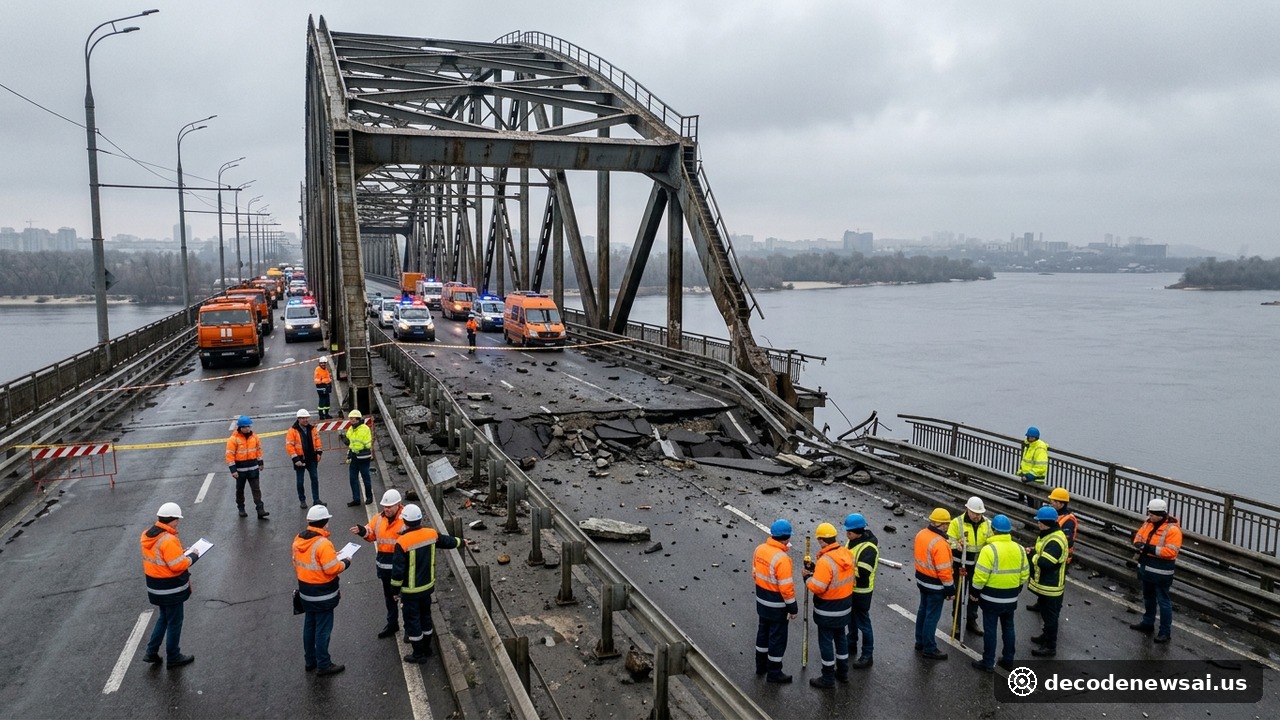
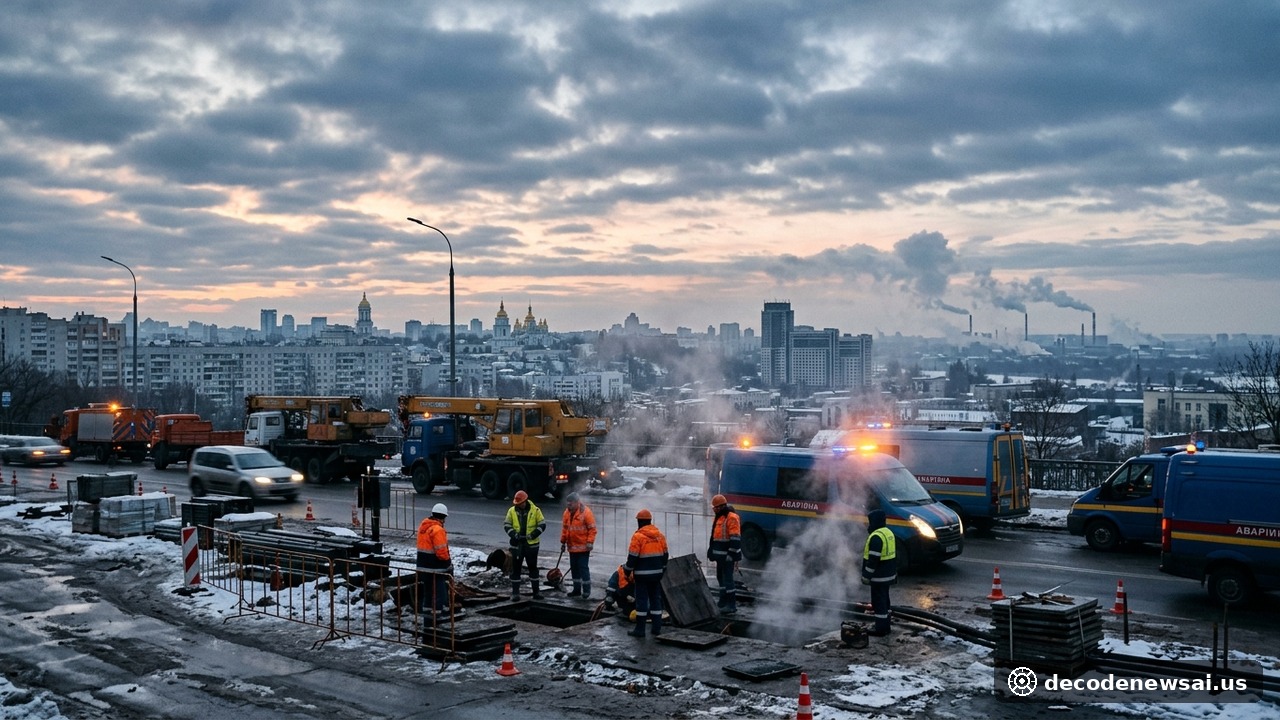
Russian strike waves deliberately targeted municipal infrastructure across Kyiv, focusing on electrical substations, central district heating networks, and transportation bridges spanning the Dnipro River. Mayor Vitali Klitschko reported that the multi-hour drone assault shattered apartment windows, damaged kindergarten structures, and compromised district heating pressure across multiple neighborhoods as winter temperatures settled in.
Emergency utility crews mobilized backup generators to maintain water pumping and power distribution throughout the capital. Ukraine's Ministry of Energy confirmed that while interceptor teams prevented catastrophic damage to high-voltage transformers, debris and penetrating missile warheads caused localized blackouts in Kyiv and Zhytomyr oblasts. Fire rescue squads extinguished structural fires in residential towers, treating wounded residents including a 14-year-old youth.
How Did Ukrainian Forces Strike Deep Inside Bryansk Oblast?
Simultaneously, the General Staff of the Armed Forces of Ukraine executed a coordinated counter-battery missile strike inside Russian territory. Utilizing modified indigenous Neptune coastal cruise missiles, Ukrainian forces struck Russian staging grounds in Bryansk Oblast responsible for launching ballistic volleys at Ukrainian population centers.
Reconnaissance telemetry and high-resolution battle damage assessment verified direct hits on two Iskander mobile ballistic missile launchers and an accompanying Pantsir-S1 air defense system designed to provide point protection. Secondary detonations consumed the Russian launch vehicles. Ukrainian precision weapons also targeted the JSC Proton-Electrotex microelectronics plant in Oryol Oblast, a facility supplying optoelectronic components for Russian missile guidance packages.
What Are the Strategic Implications for Winter Power Grid Defense?
Military analysts from international defense institutes noted that Moscow's strategy centers on saturating Ukrainian surface-to-air missile stockpiles ahead of freezing temperatures. By launching triple-digit drone packages alongside high-velocity ballistic missiles, Russian planners seek to exhaust Western-supplied air defense ammunition and degrade urban survivability.
Ukraine's rapid retaliatory capability marks a tactical shift toward aggressive pre-launch interdiction. Rather than absorbing repeated volleys passively, Ukrainian missile units are deploying domestic standoff systems to neutralize Russian offensive batteries before they launch. As decentralized drone warfare and electronic countermeasures intensify, the conflict's front lines are expanding into cross-border infrastructure attrition that will test each nation's logistical resilience through the winter months.
How Are Regional Defense Coalitions Coordinating Long-Term Air Interception?
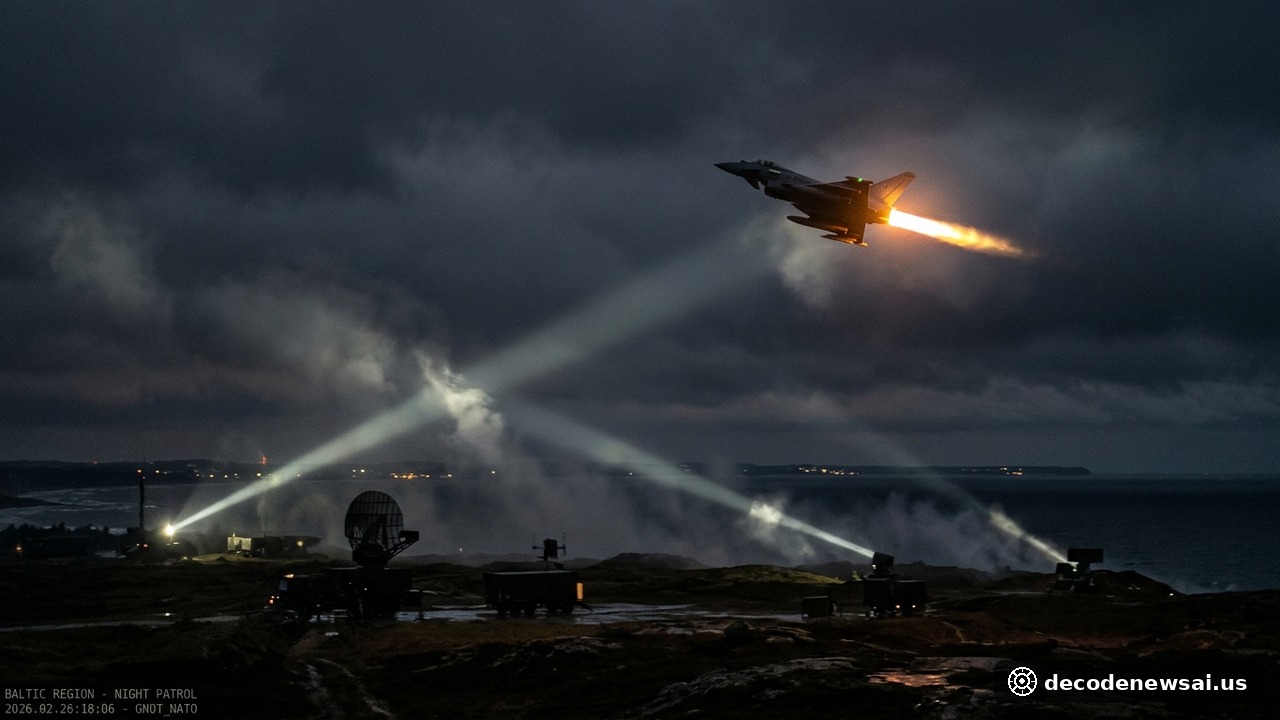
Beyond immediate localized engagements, Ukrainian military authorities and North Atlantic Treaty Organization technical liaisons are actively standardizing integrated air defense networks. Modernized mobile interceptor batteries combine legacy Soviet-era chassis with advanced Western telemetry, enabling automated distribution of incoming target coordinates across scattered radar units.
Defense procurement officials underscore that sustaining ammunition parity remains the defining logistical imperative. As winter conditions restrict ground armor maneuverability along eastern front sectors, air defense coverage over electrical distribution substations directly determines civil resilience. Sustained allied supply of interceptor replenishment missiles, coupled with distributed decoy systems, will determine whether national infrastructure survives prolonged attrition volleys.