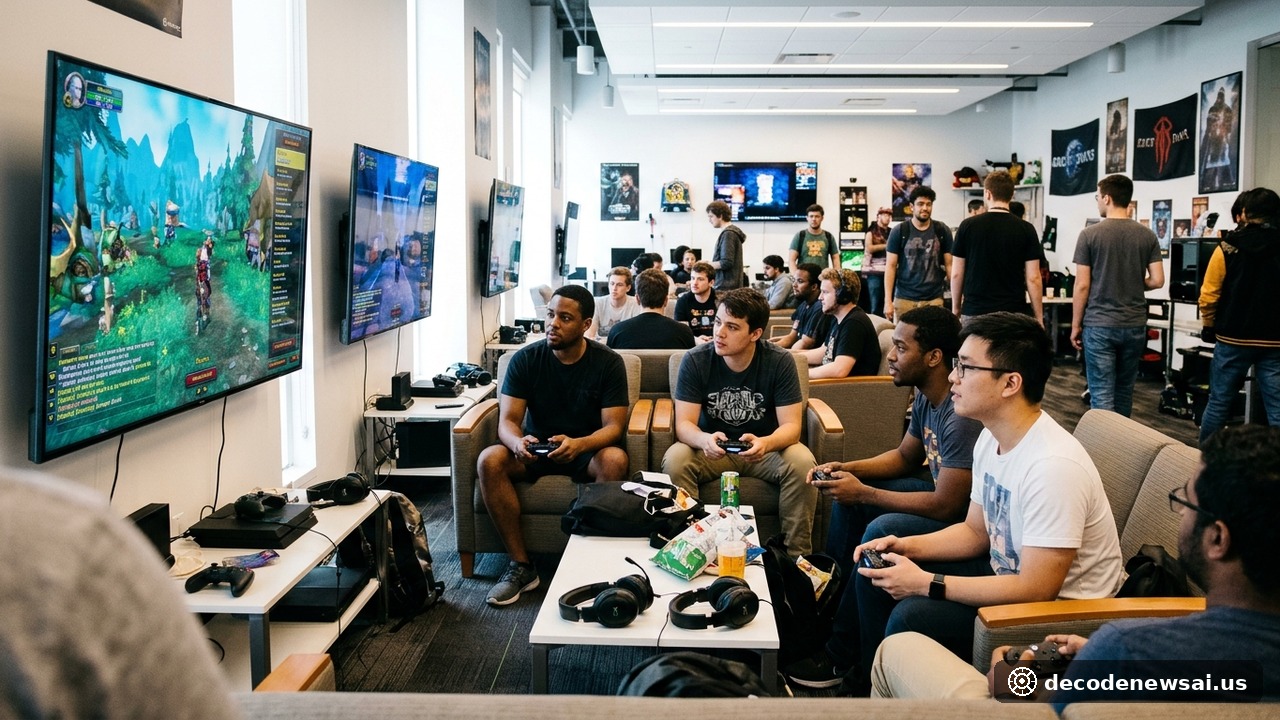
Blizzard Entertainment deployed a comprehensive suite of live hotfixes across all active global realms of World of Warcraft: Forever on the evening of November 6, 2026. Representing a critical infrastructure and gameplay calibration for the massively multiplayer online role-playing game (MMORPG)—which blends classic progression mechanics with modernized server cluster architectures—the unscheduled patch addresses crippling quest completion bottlenecks, unresponsive non-player characters (NPCs) in starting zones like Durotar, broken quest progression states in Swamp of Sorrows, and uncalibrated monster respawn timers across Dustwallow Marsh and the Barrens. The updates ensure a seamless leveling journey for millions of returning subscribers worldwide without requiring full server downtime.
What Are the Core Operational Updates and Fix Metrics Deployed in the November 6 Hotfix?
- Primary Quest Chains and Target NPCs Remediated in Patch: Yarrog Baneshadow in Durotar & Faller's Order in Swamp
- Dynamic Respawn Timer Reduction Implemented Across Marshlands: Scaled Dynamically by Population (Wait Times Cut by >65%)
- Total Structural Gameplay Bugs and Collision Glitches Resolved: 10 High-Impact Leveling and Quest Progression Exploits
In developer release notes published via the official Battle.net forums, Blizzard's systems engineering team detailed the technical remediations applied across the live shards: "Following the monumental influx of concurrent players across low-level leveling corridors, classic quest interaction scripts suffered severe race conditions under modern multi-layered server sharding. Specifically, pivotal quest NPCs such as Yarrog Baneshadow in Durotar became unresponsive when flooded with thousands of concurrent player interaction requests. Through tonight's live hotfixes, we refactored the underlying interaction state machine and implemented a predictive dynamic respawn algorithm, ensuring that creature spawn cadence and quest object replenishment automatically scale in direct proportion to real-time player density within the local sub-zone."
How Do Decoupled Quest Logic and Adaptive Respawns Restore Leveling Momentum?
In original classic World of Warcraft design paradigms, quest objectives frequently mandated looting rare quest items from single roaming named creatures, creating agonizing choke points when thousands of players traversed the same geographic coordinates simultaneously.
The hotfix resolves a notorious progression deadlock within the Swamp of Sorrows associated with the "Faller's Order" delivery chain. Previously, when multiple players engaged the turn-in trigger simultaneously within millisecond windows, distributed database synchronization errors locked the quest item in an invalid transaction state, stranding surrounding characters with orphaned quests. The update implements serialized atomic transaction validation, eliminating state corruption. Concurrently, across dense murloc encampments in Dustwallow Marsh, developers calibrated mob respawn rates: when local realm layers detect active questing clusters exceeding twenty players, spawn cooldowns dynamically compress from eight minutes down to under ninety seconds.
Community analysts and network engineers observed that modern sharding technology requires dynamic load-balancing to mitigate physical host latency during regional server peak hours. By optimizing packet compression and thread scheduling across dedicated world server processes, the development team effectively eliminated client-side stuttering and rubber-banding during high-density quest turn-ins.
Furthermore, developers confirmed that ongoing telemetry monitoring will guide iterative class balance adjustments and mob density tuning across higher-level leveling zones, ensuring that upcoming dungeon progressions maintain authentic classic difficulty without frustrating artificial bottlenecks.
What Strategic Value Does Agile Live-Service Maintenance Bring to Blizzard's Franchise?
World of Warcraft: Forever represents Blizzard's flagship initiative to re-engage legacy enthusiasts while establishing a sustainable, long-term live-service revenue engine within the broader Microsoft Gaming division.
Managing multi-million concurrent player populations across North America, Europe, and Asia requires continuous technical agility. Rather than deferring critical game-breaking bug fixes to weekly maintenance windows, modern containerized game servers permit hot-patching memory binaries directly into active world processes, preventing immersion-shattering server restarts. This operational responsiveness in resolving day-one player pain points reinforces subscriber trust, quelling early community frustration and safeguarding long-term monthly active user retention ahead of upcoming forty-player raiding tier releases.