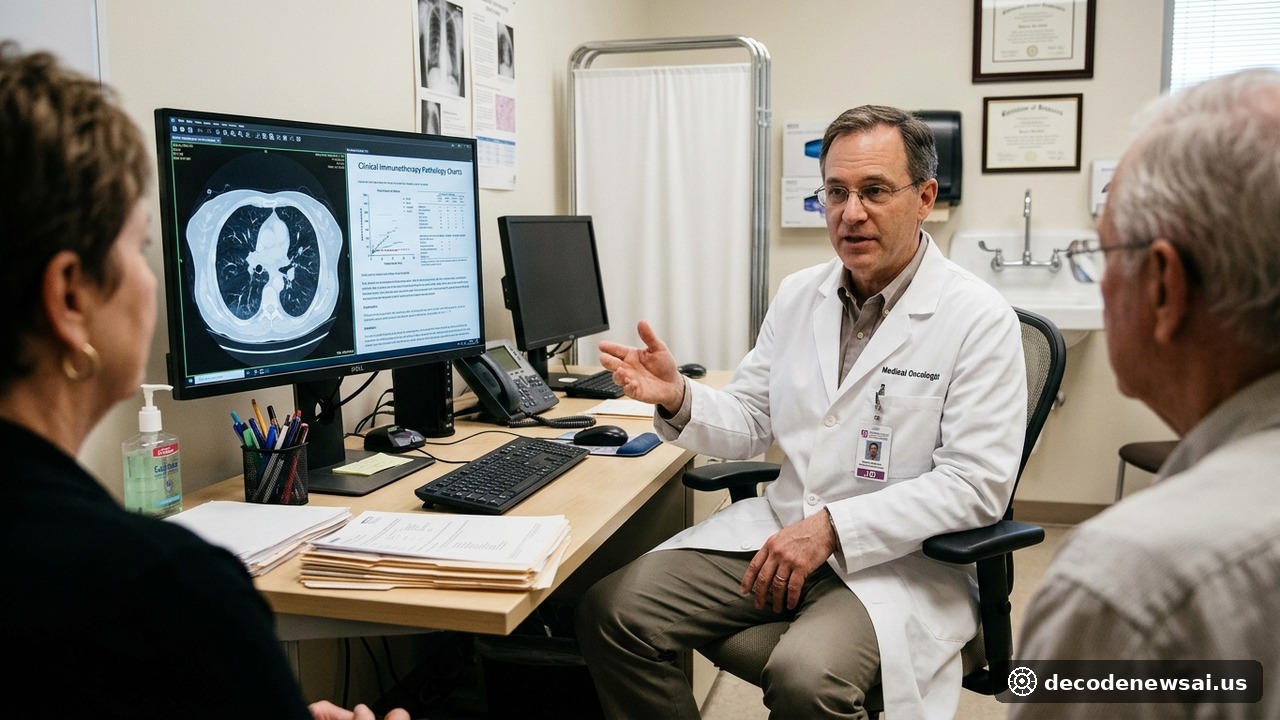
Biotechnology enterprise argenx SE officially presented landmark positive topline results on November 7, 2026, from its pivotal global Phase 3 ALKIVIA registrational study evaluating subcutaneous efgartigimod alfa (marketed as VYVGART Hytrulo) in patients suffering from autoimmune myositis. Spanning both immune-mediated necrotizing myopathy (IMNM) and dermatomyositis (DM) patient cohorts across a 52-week double-blind randomized clinical trial, the study demonstrated statistically significant and sustained clinical improvements. Specifically, IMNM patients achieved a clinically meaningful 14.8-point superior improvement over placebo in Total Improvement Score (p=0.0048), alongside an immediate 43.5 percentage-point deeper reduction in serum creatine kinase levels, a defining biomarker of ongoing muscle fiber destruction. Marked by Breakthrough Therapy Designation from the US Food and Drug Administration, the milestone trial represents the first registrational success within the debilitating IMNM pathology, positioning argenx to submit a supplemental Biologics License Application before the conclusion of 2026.
Clinical Protocol Metrics and Endpoint Parameters in the Phase 3 ALKIVIA Trial
- Enrolled Patient Subpopulations: Immune-Mediated Necrotizing Myopathy & Dermatomyositis;argenx Corporate Media Communications
- Cutaneous Improvement in Dermatomyositis: CDASI Score Improved by 5.6 Points Over Placebo
- Regulatory Filing & FDA Registration Trajectory: sBLA Submission Scheduled for Execution Before Year-End
What Unmet Medical Needs Confront Patients Diagnosed with Rare Autoimmune Myositis?
Autoimmune myositis comprises a heterogeneous cluster of rare, life-threatening inflammatory musculoskeletal pathologies characterized by chronic muscle inflammation, profound weakness, and severe systemic extramuscular complications including pulmonary interstitial fibrosis.
Among myositis subtypes, immune-mediated necrotizing myopathy is characterized by severe proximal muscle weakness driven by pathogenic autoantibodies targeting signal recognition particle (SRP) or 3-hydroxy-3-methylglutaryl-coenzyme A reductase (HMGCR). Unlike standard myopathies, IMNM drives severe, widespread muscle cell necrosis that can render active individuals wheel-chair bound or dysphagic within weeks. Historically, global health authorities have approved zero targeted biologic therapies for IMNM, forcing clinicians to rely upon protracted off-label regimens of high-dose corticosteroids, intravenous immunoglobulin infusions, and broad-spectrum immunosuppressants that incur toxic adverse effects including severe osteoporosis, opportunistic infections, and metabolic organ damage without reliably halting progressive muscle degeneration.
How Does Targeted FcRn Antibody Recycling Inhibition Rescue Degenerating Muscle Tissues?
Functioning as a human IgG1 antibody Fc fragment variant, efgartigimod competitively binds to the neonatal Fc receptor (FcRn), systematically blocking the cellular salvage mechanism responsible for protecting endogenous IgG antibodies from lysosomal catabolism.
The longitudinal 52-week data generated by ALKIVIA validated the clinical hypothesis that clearing circulating autoantibody burdens halts downstream tissue destruction. In IMNM cohorts, patients treated with efgartigimod achieved statistically significant separation from placebo groups starting as early as Week 4. Treated subjects demonstrated consistent improvements across the Manual Muscle Testing-8 (MMT-8) panel, recording an average 5.4-point gain in skeletal muscle contraction strength. Concurrently, serum creatine kinase concentrations plunged toward normal ranges, with treated patients twice as likely to maintain robust clinical disease control throughout the study. In parallel dermatomyositis cohorts, cutaneous disease area indices (CDASI) demonstrated notable visual clearance, confirming therapeutic benefits across cutaneous and muscular tissues.
How Will the Myositis Registration Reshape Global Rare Disease Biologics Markets?
Financial analysis published by Morningstar and biopharmaceutical industry observers emphasizes that the success of ALKIVIA further consolidates argenx's dominant commercial franchise in neonatal Fc receptor therapeutics.
Having already achieved multi-billion-dollar commercial revenues following international approvals in generalized myasthenia gravis and chronic inflammatory demyelinating polyneuropathy, securing first-in-class registrational validation in autoimmune myositis establishes an uncontested therapeutic category. Supported by FDA Breakthrough Therapy Designation, the upcoming sBLA filing is anticipated to receive expedited priority review, targeting commercial deployment during late 2027. For the global neurological and rheumatological medical community, this milestone delivers the first targeted biologic mechanism capable of altering the clinical trajectory of necrotizing myopathy, establishing an essential standard of care for patients confronting progressive physical paralysis.