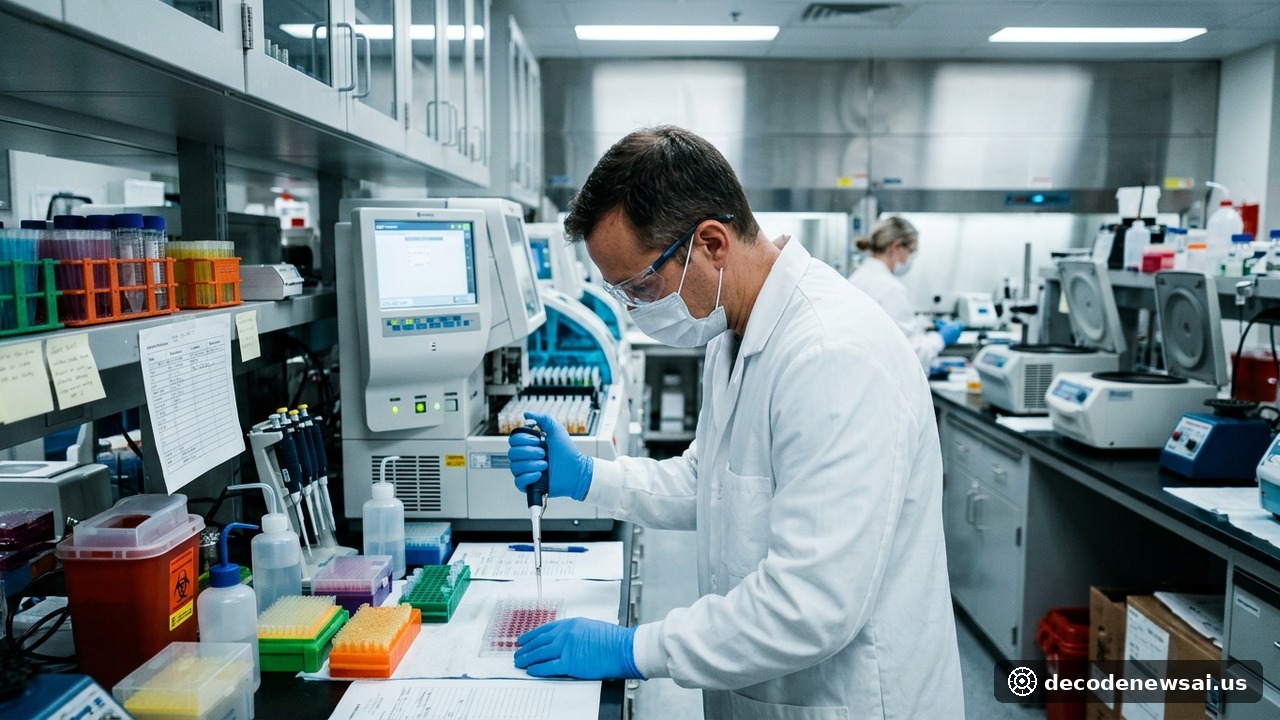
Clinical Protocol Metrics and Endpoint Outcomes from the ICONIC-PsA 1 Trial
- Enrolled Patient Cohort & Stratification: 552 Biologic-Naive Adults with Active PsA
- Week 16 Primary Efficacy Endpoint (ACR20): 58% Response Rate vs 41% for Placebo (p<0.01)
- Week 24 Longitudinal Joint Symptom Control: Response Expands to 69% Under Sustained Therapy
- Cutaneous Clearance Efficacy (IGA 0/1): 57% Clear or Almost Clear vs 14% on Placebo
What Clinical Limitations Hinder Conventional Injectable Biologic Therapies for PsA?
Psoriatic arthritis represents a debilitating systemic autoimmune disorder affecting tens of millions of individuals worldwide, characterized by progressive peripheral joint inflammation, structural enthesitis, and disfiguring plaque psoriasis.
While biological monoclonal antibodies targeting tumor necrosis factor (TNF) and interleukins 17 and 23 revolutionized rheumatology practice over recent decades, standard biological therapies require lifelong subcutaneous self-injection or clinic-based intravenous infusions. For chronic patients, recurring injections impose procedural anxiety, localized injection-site reactions, strict cold-chain refrigeration logistics, and the eventual development of anti-drug neutralizing antibodies that induce secondary treatment failure over time. Consequently, clinical rheumatologists and patient advocacy groups have sought once-daily oral targeted small molecules capable of matching monoclonal antibody efficacy while offering convenience and room-temperature stability.
How Does ICOTYDE's Targeted Oral Peptide Mechanism Achieve Systemic Joint and Skin Relief?
Discovered through a collaborative research venture between Johnson & Johnson and Protagonist Therapeutics, ICOTYDE represents the first oral selective peptide antagonist targeting the human interleukin-23 receptor to successfully complete registrational Phase 3 trials.
Rather than circulating broadly as an injectable macro-protein antibody, icotrokinra functions as a conformationally stable cyclic peptide that binds with high nanomolar affinity directly to the IL-23 receptor in intestinal mucosa, blocking downstream inflammatory cytokine cascades. In the ICONIC-PsA 1 trial, ICOTYDE demonstrated statistical superiority across rigorous secondary endpoints, including ACR50 and ACR70 responses. Furthermore, among subjects presenting with substantial cutaneous surface involvement, the oral peptide demonstrated robust dermatological efficacy, matching the dual joint-and-skin clearance profiles previously accessible only through specialized biologic infusions.
How Will ICOTYDE's Regulatory Filing Reshape the Competitive Autoimmune Landscape?
Pharmaceutical analysts at Reuters and healthcare equity research firms observe that following this successful Phase 3 milestone, Johnson & Johnson plans to file formal marketing authorization applications with the FDA and European regulatory bodies in early 2027.
Having previously demonstrated clinical efficacy across Phase 3 plaque psoriasis registrations, the successful expansion into psoriatic arthritis positions ICOTYDE to compete directly against multi-billion-dollar injectable standard-of-care treatments including AbbVie's Skyrizi and Johnson & Johnson's Tremfya. Wall Street consensus projections estimate that ICOTYDE's convenient oral daily administration, absence of cold-chain dependencies, and favorable safety tolerability will support peak annual revenues exceeding $5 billion, establishing a critical replacement franchise to offset biosimilar competition facing legacy blockbuster Stelara.