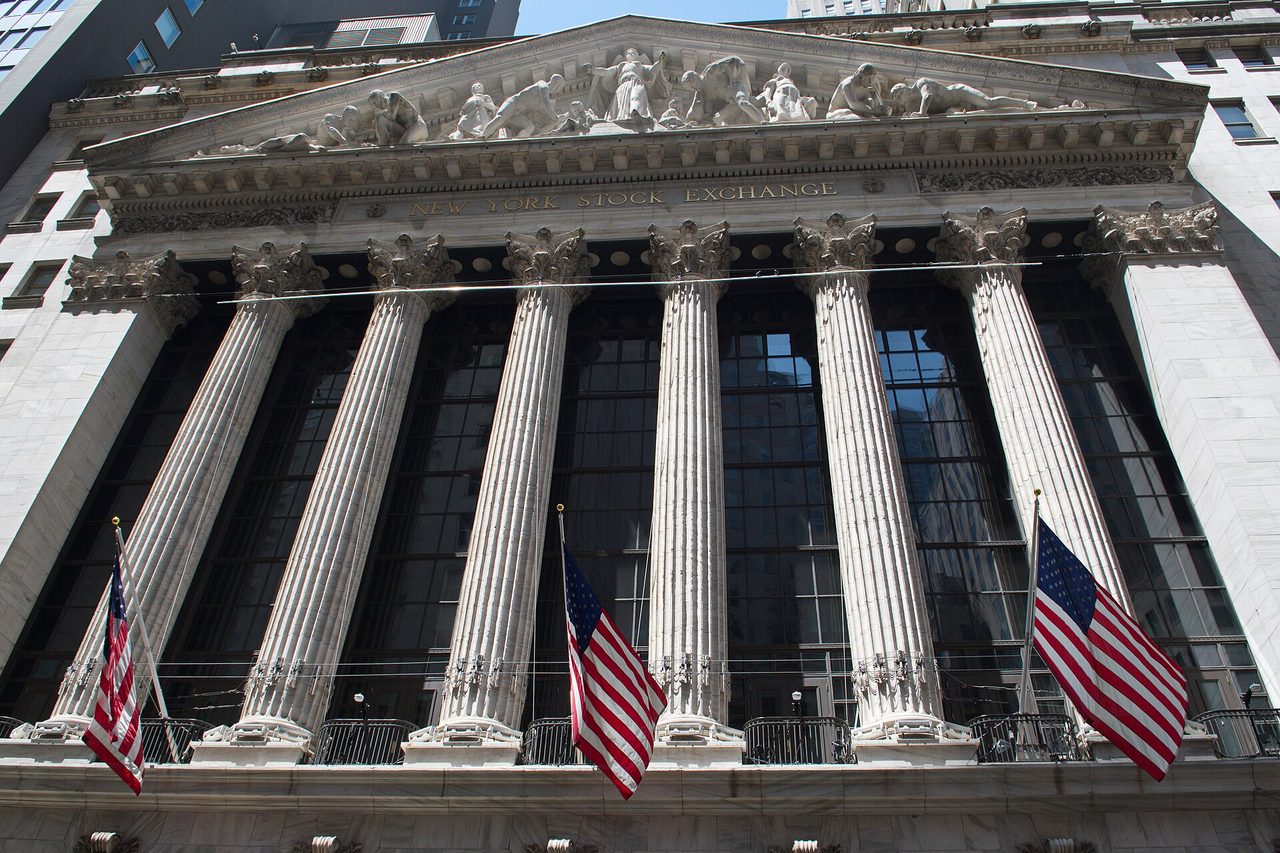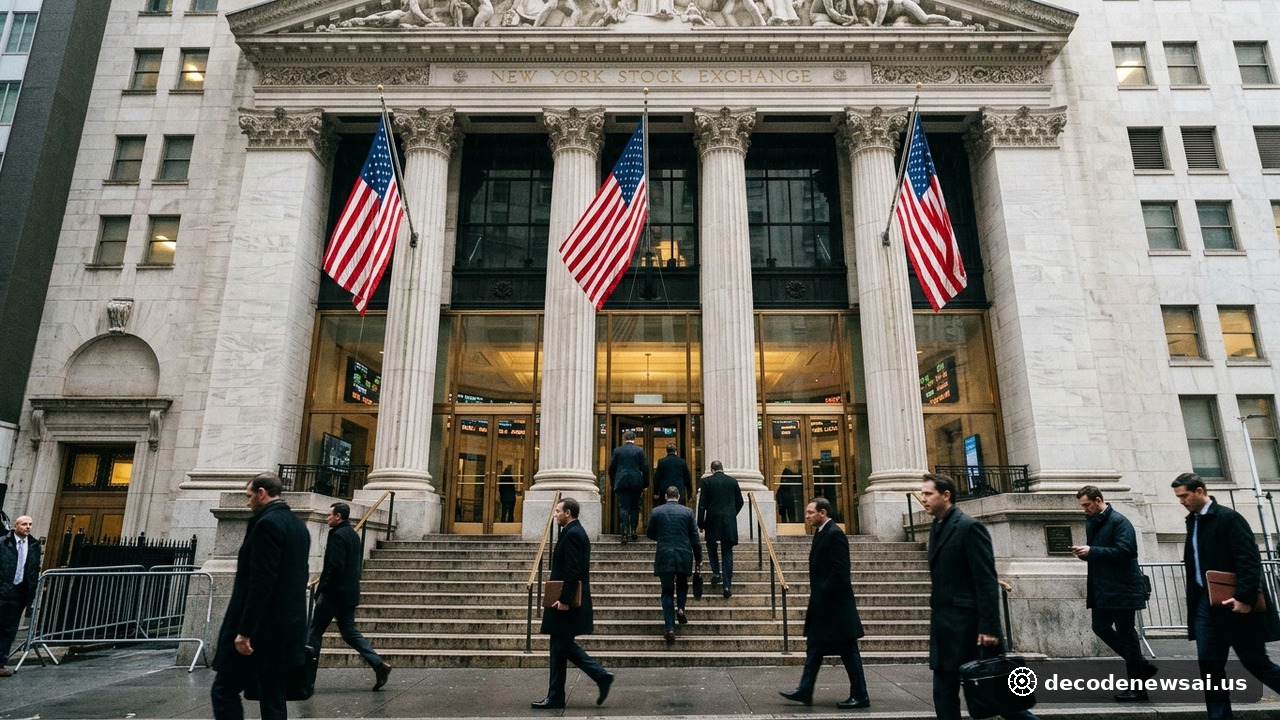
Wall Street financial analytical agencies published an alarming equity health report over the weekend. As of November 8, 668 active publicly listed operating entities have received formal going concern warnings in annual SEC regulatory filings. Affected corporate entities confront unprecedented capital liquidity contraction. Delisting vulnerabilities multiplied rapidly. Institutional asset allocators are accelerating capital withdrawals from high-risk tail equities.
SEC filings show listing deficiencies and late 10-Q reports
United States Securities and Exchange Commission filing registries indicate that affected issuers suffer acute working capital exhaustion. Among flagged Nasdaq and New York Stock Exchange issuers, 42 percent filed Item 3.01 notices of listing rule deficiencies on Form 8-K. The statutory disclosures typically document chronic failures to maintain minimum bid prices or minimum stockholders' equity thresholds. Regulatory alarms sounded across trading desks.
An additional one-fourth of flagged issuers filed official late-filing notices acknowledging delays in submitting quarterly Form 10-Q statements. Independent auditing firms refused to issue clean audit opinions without explicit evidence of operating liquidity. Fourteen flagged corporate entities have officially initiated Chapter 11 bankruptcy filings to date. The bankruptcy rate among warned operating entities reached 2.1 percent. Financial distress expanded steadily.
Corporate restructuring specialists analyzed the systemic nature of the liquidity crunch in published client notes. The equity research team observed: "In a sustained high-rate regime, the era of frictionless capital has permanently closed, and unprofitable shell companies now face an unforgiving cleansing cycle." Analytical insights proved clear and sober.
Distressed firms dilute equity and private credit funds acquire assets
Confronting involuntary delisting, the vast majority of distressed companies resort to continuous secondary equity dilution to fund survival. Empirical data demonstrates that aggregate outstanding share counts expanded exponentially among warned firms, severely diluting legacy common equity stakes. Management teams sell discounted shelf shares directly into secondary markets to finance minimum administrative overhead. Retail investors frequently absorb the dilutive losses. Speculative models face exhaustion.
Private credit funds and opportunistic special situation investors are moving aggressively to exploit the distressed corporate landscape. Capital-starved software developers and clinical biotech firms holding proprietary intellectual property represent primary acquisition targets. Distressed debt funds enforce demanding debt-for-equity conversions that wipe out junior equity tranches. Legacy executive leadership teams are routinely replaced throughout formal operational receivership. The corporate shakeout proceeds ruthlessly.
Quantitative equity risk desks implemented stringent portfolio exclusion screens to isolate exposure to distressed micro-cap equities. Prime brokers raised margin borrowing requirements across all public companies trading under statutory deficiency warnings. Liquidity support for unprofitable small-cap equities dropped to multi-year lows across broker-dealer networks. Unprofitable issuers saw average daily trading volumes contract by more than half. Equity polarization expanded dramatically.
Federal Reserve policy drives distress and exchanges enforce delisting
The macroeconomic high-rate environment remains the fundamental driver behind the surge in formal distress disclosures. The Federal Reserve's restrictive policy stance increased corporate debt refinancing expenses substantially. Unprofitable growth companies that historically survived by issuing convertible notes face prohibitive interest burdens upon maturity. Commercial banks significantly curtailed unsecured revolving credit facilities. Corporate treasuries face severe cash burn constraints.
Securities exchange regulatory authorities are strictly enforcing mandatory deficiency compliance clocks. Nasdaq and the NYSE shortened remediation grace periods for issuers with repeat compliance deficiencies. Listing officials established stricter scrutiny over repetitive reverse stock splits designed solely to manipulate minimum share price benchmarks. Delisting executions are accelerating across major boards. Market discipline is being systematically restored.
Institutional financial advisors urged retail market participants to scrutinize Form 8-K regulatory disclosures carefully. Speculating on speculative distressed turnarounds carries extreme risks of total capital loss during broad liquidity contractions. Analyzing operating cash flow deficits and debt maturity schedules remains vital for identifying fundamental vulnerabilities. Prudent capital allocation ensures portfolio survival.
Attorneys urge scrutiny of Item 3.01 warnings
Securities compliance attorneys note that regulatory filings under Item 3.01 serve as critical early warning indicators for secondary market investors. Unprofitable operating enterprises facing persistent cash burn must restructure balance sheets proactively rather than relying on predatory financing facilities. Institutional asset allocators continue to prioritize cash flow generation and balance sheet durability over speculative turnaround stories. Financial transparency protects market stability.