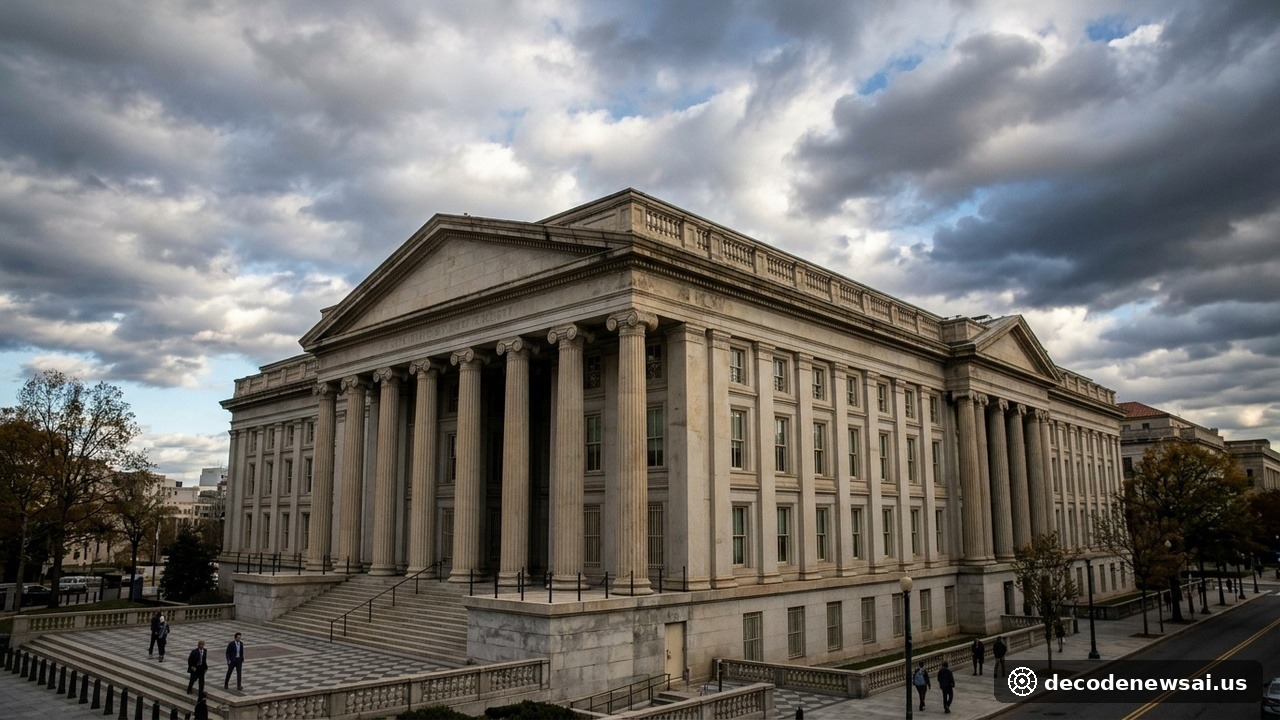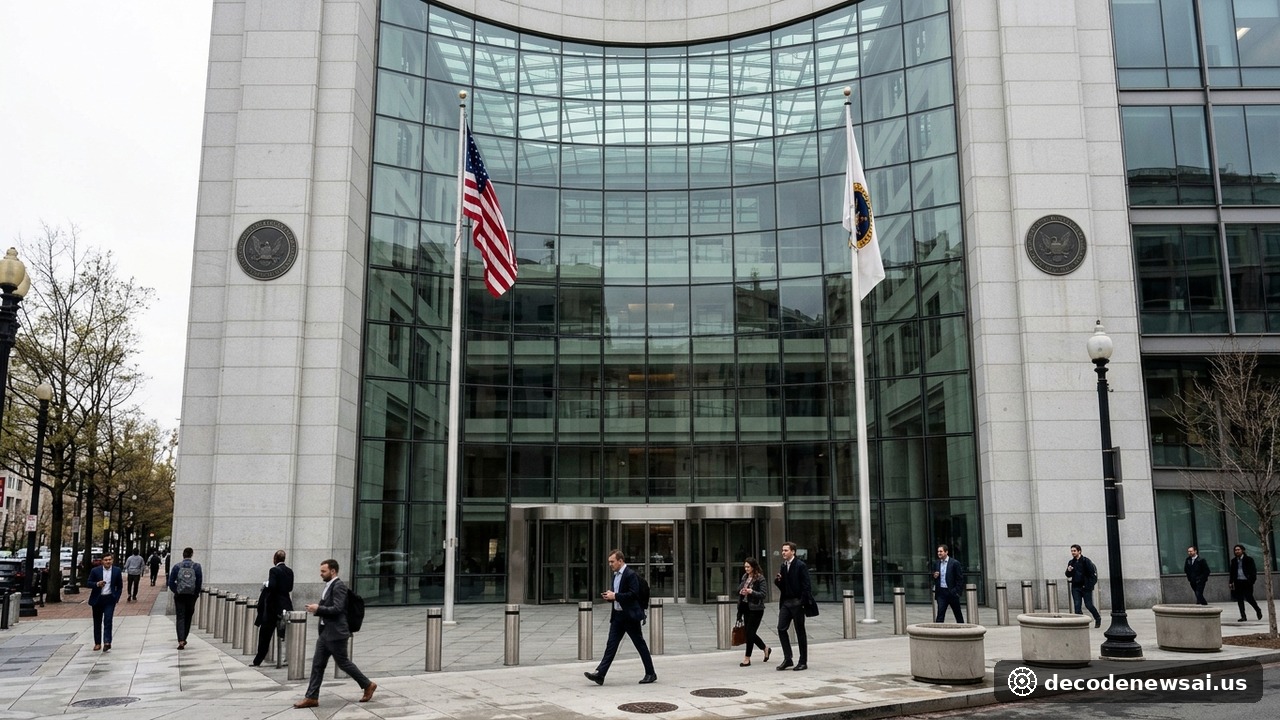
The United States Securities and Exchange Commission formally announced on Sunday that statutory de minimis registration exemption thresholds for security-based swap dealers have officially terminated. Pursuant to the self-executing provisions of Exchange Act Rule 3a71-2, the aggregate gross notional dealing threshold for credit default swaps dropped from $8 billion to $3 billion. The regulatory boundary contracted sharply. Wall Street trading entities face immediate compliance obligations.
Hassan Ali outlines dealer threshold objectives
In addition to credit derivatives adjustments, the statutory exemption threshold governing non-credit default security-based swaps lowered simultaneously from $400 million to $150 million. The regulatory realignment marks the conclusion of a five-year statutory phase-in period initiated in November 2021. Unregistered proprietary trading firms exceeding the lowered thresholds must transition into comprehensive licensed dealer oversight regimes. Derivative market operations face sweeping structural modifications.
Investment banks, broker-dealers, and systematic hedge funds active in credit derivatives face immediate balance sheet and structural reorganizations. Entities designated as registered security-based swap dealers become subject to mandatory capital reserve requirements, daily bilateral margin collection mandates, and exhaustive transaction reporting directives. Mid-sized market makers operating near prior exemption limits must absorb substantial operational overhead. Financial engineering teams face extensive revisions.
Hassan Ali, Director of the Division of Trading and Markets at the commission, outlined the regulatory objectives in an official supervisory guidance memorandum. Ali declared in the notice: "The conclusion of the statutory phase-in is an essential regulatory safeguard, and lowering dealer thresholds eliminates opaque risk concentrations across bilateral OTC swap networks while reinforcing systemic transparency." The agency established an uncompromising administrative posture.
ISDA warns firms to audit exposures
The International Swaps and Derivatives Association issued an urgent regulatory alert advising member institutions to conduct immediate portfolio exposure audits. Trade group models estimate that more than 45 previously exempt proprietary trading desks and asset managers will be required to submit formal dealer registration dossiers. Firms failing to complete registration filings within standard grace periods face immediate suspensions of bilateral dealing authorizations. Market participants responded with acute urgency.
Several global banking conglomerates initiated balance sheet compression strategies to prevent regional trading subsidiaries from breaching newly applicable limits. Broker-dealers explored shifting client facing index swap facilities to offshore subsidiaries situated within European or Asian regulatory jurisdictions. Cross-border regulatory disparities resurfaced across capital markets. Transatlantic regulatory harmonization dialogues face renewed friction.
Securities attorneys noted that the lower exemption boundaries could temporarily compress bid-ask market liquidity across single-name corporate credit default swaps. Mid-tier market makers may curtail secondary dealing services across less liquid corporate debt instruments to avoid dealer designation expenses. Wider transaction spreads could emerge across high-yield credit segments. Secondary market trading depth faces noticeable bifurcation.
House committee splits on dealer registration
Conservative lawmakers on the House Financial Services Committee expressed skepticism regarding the economic timing of the regulatory transition. Congressional critics argued that expanding dealer registration obligations raises liability hedging expenses for commercial non-financial corporate borrowers. Conversely, progressive legislators maintained that rigorous Dodd-Frank oversight remains necessary to constrain excessive derivative leverage. Ideological debates surrounding financial regulatory architecture remain contentious.
Major clearinghouses in New York announced immediate software enhancements across real-time member monitoring platforms. Automated clearing systems will calculate rolling 12-month gross notional dealing volumes to flag non-dealer participants approaching the $3 billion ceiling. Risk containment frameworks grew increasingly rigorous across financial utility infrastructures.
Industry observers project that Wall Street will experience an influx of formal dealer registration filings over the coming two fiscal quarters. Primary tier-one investment banks will likely solidify their dominant market share across structured credit intermediation. Global over-the-counter derivatives markets are entering an era characterized by higher regulatory overhead. Compliance directors across leading brokerages confirmed that automated regulatory reporting modules are undergoing validation testing to avoid statutory penalties.