Precision oncology and liquid biopsy innovator Guardant Health, Inc. (NASDAQ: GH) announced third-quarter financial results for fiscal 2026 on November 5, 2026, delivering substantial commercial expansion driven by widespread clinical uptake of its FDA-approved Shield blood test for primary colorectal cancer screening. Total quarterly revenues rose 36 percent year-over-year to $361.0 million, highlighted by a 180 percent surge in precision screening revenue to $67.6 million. Clinical screening volume reached 83,000 completed Shield tests, representing an extraordinary 246 percent advance over the corresponding period in 2025. Supported by expanding adoption across primary care medical networks, management raised full-year 2026 revenue guidance to between $1.36 billion and $1.37 billion.
Third-Quarter Shield Screening Metrics and Corporate Guidance Parameters
Non-Invasive Blood Testing Overcomes Patient Non-Compliance in Colon Cancer Screening
Colorectal cancer represents the second leading cause of oncological mortality worldwide, despite being highly preventable when precancerous lesions are detected early.
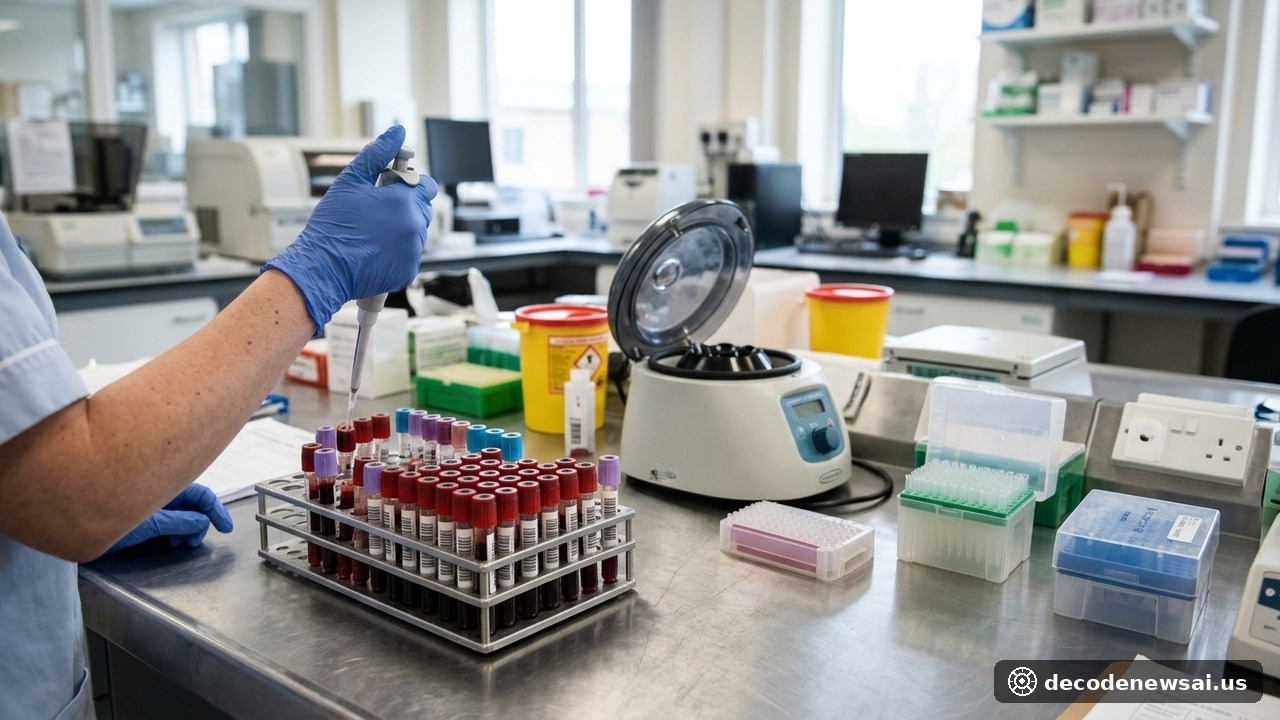
Historically, optical colonoscopy served as the definitive diagnostic standard, but rigorous bowel preparation protocols, invasive endoscopic instrumentation, and sedation requirements led over thirty percent of eligible adults over age forty-five to decline routine screening. Guardant's proprietary Shield test resolves this compliance barrier by analyzing cell-free DNA (cfDNA) extracted from a routine peripheral blood draw. Utilizing targeted genomic sequencing, the diagnostic pipeline detects circulating tumor-derived epigenetic methylation patterns and somatic genomic alterations characteristic of early-stage neoplasms. Following full regulatory approval as an autonomous primary screening modality, Shield achieved clinical adherence rates exceeding ninety percent, providing a friction-free gateway for millions of previously unscreened adults.
Expanding Outpatient Penetration Across Primary Care and Regional Family Clinics
The commercial scaling of the Shield test reflects strategic expansion beyond specialized hospital oncology centers into community primary care networks.
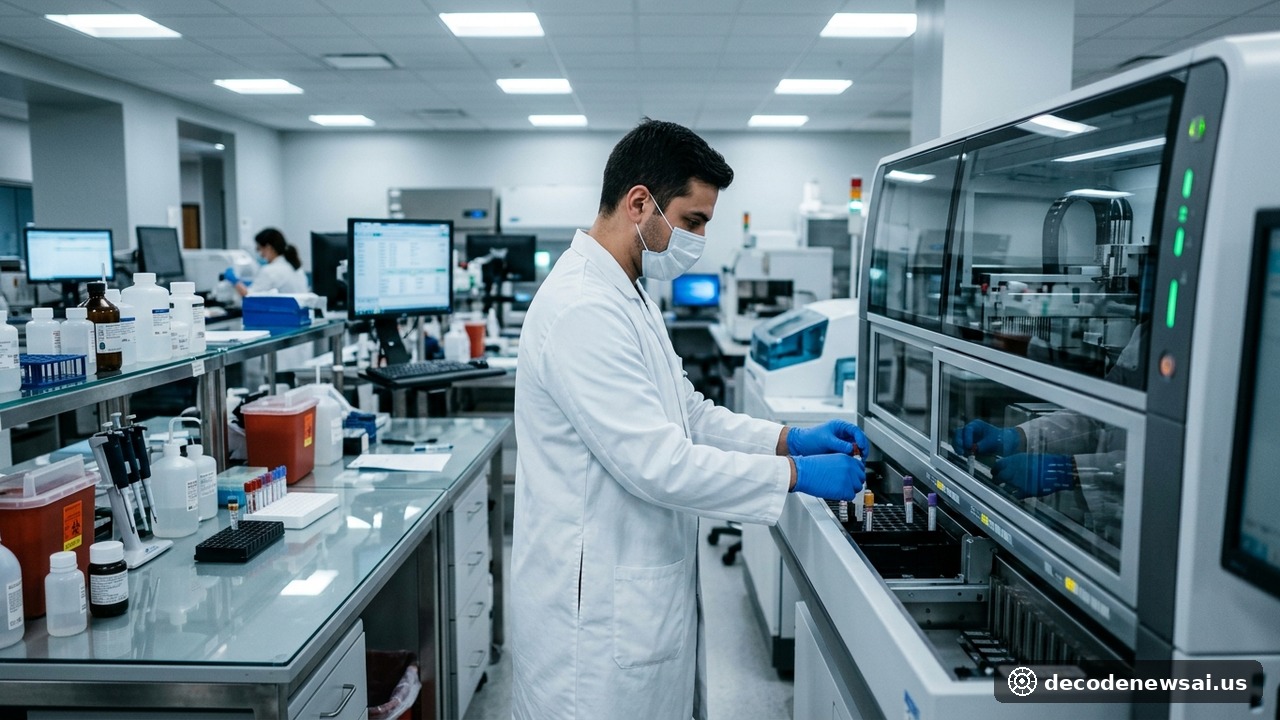
While advanced oncological therapy selection relies upon medical oncologists, broad-based preventative cancer screening originates within community family medicine practices. Guardant executive leadership revealed that field sales forces established formal clinical ordering partnerships across more than 45,000 primary care physicians throughout North America. Simultaneously, leading commercial health insurance plans integrated Shield into preferred preventative coverage schedules, eliminating prohibitive out-of-pocket patient copays. Primary care physicians can order Shield alongside standard metabolic blood panels, dispatching samples to Guardant's automated clinical laboratories and driving test volumes to 83,000 units compared to 24,000 tests twelve months prior.
Moderating Operating Cash Burn and Expanding Multi-Cancer Liquid Biopsy Horizons
Scaling screening throughput has catalyzed noticeable operational efficiency across Guardant Health's corporate balance sheet.
While ongoing commercial infrastructure expenditures and prospective registrational trials generated modest Adjusted EBITDA losses, quarterly free cash flow burn narrowed to negative $37.2 million from negative $45.8 million a year earlier, supported by a fortified cash and short-term investment reserve of $1.1 billion. Crucially, the diagnostic framework established by Shield—combining primary care physician integration with high-throughput central genomic sequencing—provides a scalable distribution channel for forthcoming multi-cancer early detection (MCED) blood assays targeting lung, pancreatic, and gastric malignancies. Equity analysts observe that liquid biopsy screening is fundamentally shifting preventative medicine from reactive surgical intervention toward population-level proactive monitoring.