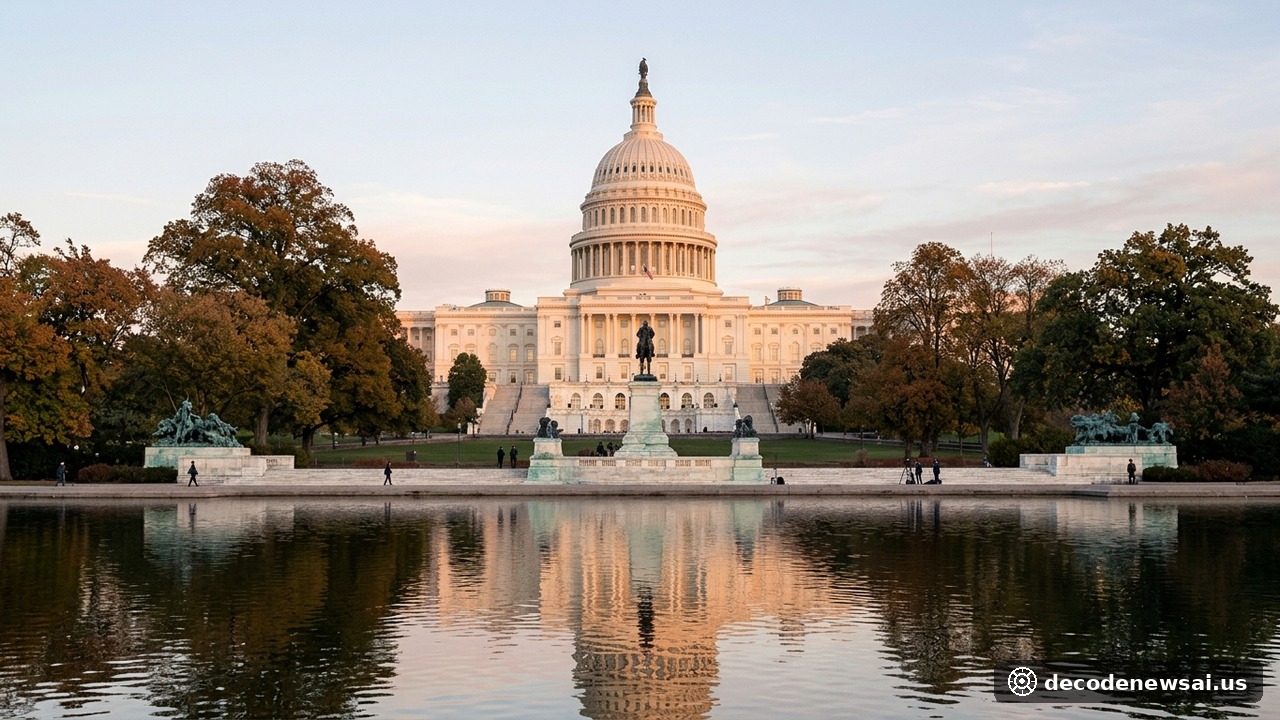
The conclusive certification of the United States midterm congressional elections initiated substantial cross-asset portfolio realignments across Wall Street on Friday, as institutional trading desks reassessed macroeconomic exposure to proposed trade tariffs following the Democratic Party's recapture of the House majority. Equity volatility metrics surged in response, with the Cboe Volatility Index (VIX) advancing to 25.64 points. Multinational consumer goods conglomerates and imported alcohol brand distributors with extensive overseas supply networks experienced sharp valuation compression, highlighting institutional uncertainty regarding prospective trade and tariff policy trajectories under a divided Congress.
Divided Congress curtails unilateral tariff packages
Divided Congressional Governance Alters Baseline Tariff Assumptions
The shift in legislative power fundamentals disrupted established market pricing assumptions regarding trade legislation. Prior to the certification of congressional returns, capital allocators hedged portfolios against potential comprehensive tariff expansions targeting European and Asian imports that had been anticipated under continued unified Republican legislative control. The establishment of Democratic control over the House Ways and Means Committee effectively curtails unilateral statutory tariff packages, shifting market focus toward administrative trade remedies.
Equity derivatives trading desks observed unprecedented hedging intensity. Wall Street quantitative analysts documented an intraday surge exceeding 30 percent in put option open interest covering major multinational beverage producers and consumer packaging enterprises. Institutional allocators executed defensive collar strategies to protect balance sheets against policy volatility.
Alcohol conglomerates face valuation testing on supply chains
Alcohol Conglomerates and International Supply Chains Undergo Valuation Testing
Multinational manufacturing organizations operate under increasingly intricate border procurement parameters. Global brewing and spirits conglomerates, including Anheuser-Busch InBev, Pernod Ricard, and Diageo, maintain international supply lines reliant on imported botanical ingredients, specialty glass packaging, and finished barrel-aged spirits. Financial modeling indicates that marginal tariff shifts of even single-digit percentages could compress operating gross margins by hundreds of basis points.
Market strategists emphasized the enduring complexity of global trade positioning. In an institutional market briefing, senior equity strategist Marcus Vance stated, "A divided legislature limits statutory tariff escalations but expands reliance on administrative trade actions, requiring corporate treasurers to recalibrate supply chain margin sensitivity across multiple policy fronts."
Defensive factor rotations consolidate across institutional allocators
Defensive Factor Rotations Consolidate Across Institutional Allocators
Institutional capital flows increasingly favor balance-sheet stability over pure cyclical growth. High-dividend municipal utility shares and healthcare equipment providers captured the majority of defensive reallocation capital, pushing select defensive benchmarks toward fresh multi-quarter peaks.
Trade policy negotiations will exert substantial influence over fourth-quarter asset valuations. As congressional leaders assemble committee assignments for the incoming legislative session, legislative hearings regarding bilateral trade agreements will encounter exhaustive market surveillance.
Asset managers hold liquidity pending legislative guidance
Global asset managers are maintaining disciplined liquidity allocations pending legislative guidance. Against a backdrop of moderated consumer spending and regulatory scrutiny, supply chain diversification and flexible regional production capabilities represent mandatory criteria for international corporate investment evaluations.
Investment managers observe that cross-border consumer goods corporations must actively optimize regional supply sourcing to mitigate persistent tariff vulnerabilities. Defensive sector balance sheets will continue to command premium valuations until trade policy trajectories establish predictable legislative equilibrium in Washington. Trade policy analysts conclude that cross-border consumer goods corporations must maintain active supply chain diversification to insulate operating margins from shifting legislative priorities and potential administrative tariff actions.