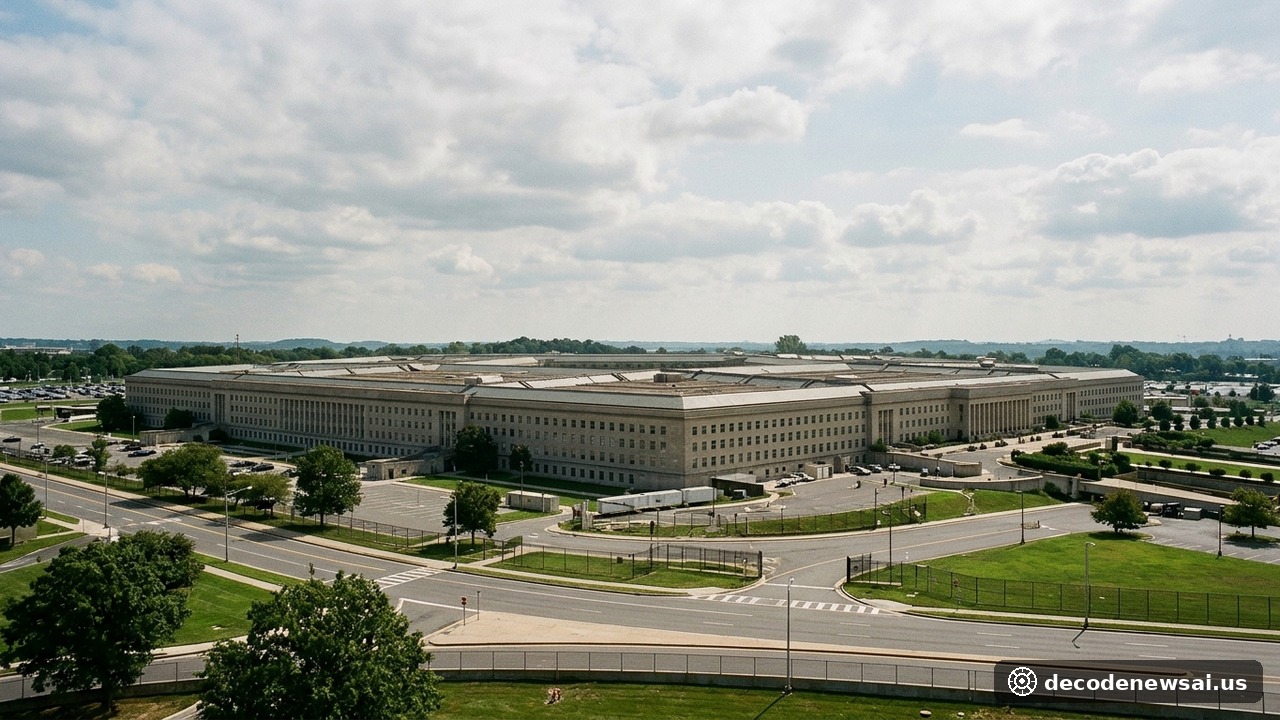
The United States Department of Defense accelerated implementation of its FORTRESS operational resilience initiative on November 7, directing primary military installations to achieve independent off-grid operational endurance. Strategic military bases across the continental United States must establish sovereign reserves of electricity, potable water, and mission-critical fuel capable of sustaining combat operations for at least 90 days. Pentagon leadership issued formal executive guidance establishing strict self-sufficiency milestones. Defense planners cited systemic vulnerabilities across civilian power transmission grids. Military readiness assumptions are being overhauled.
Pentagon cites grid cyber and sabotage risks for directive
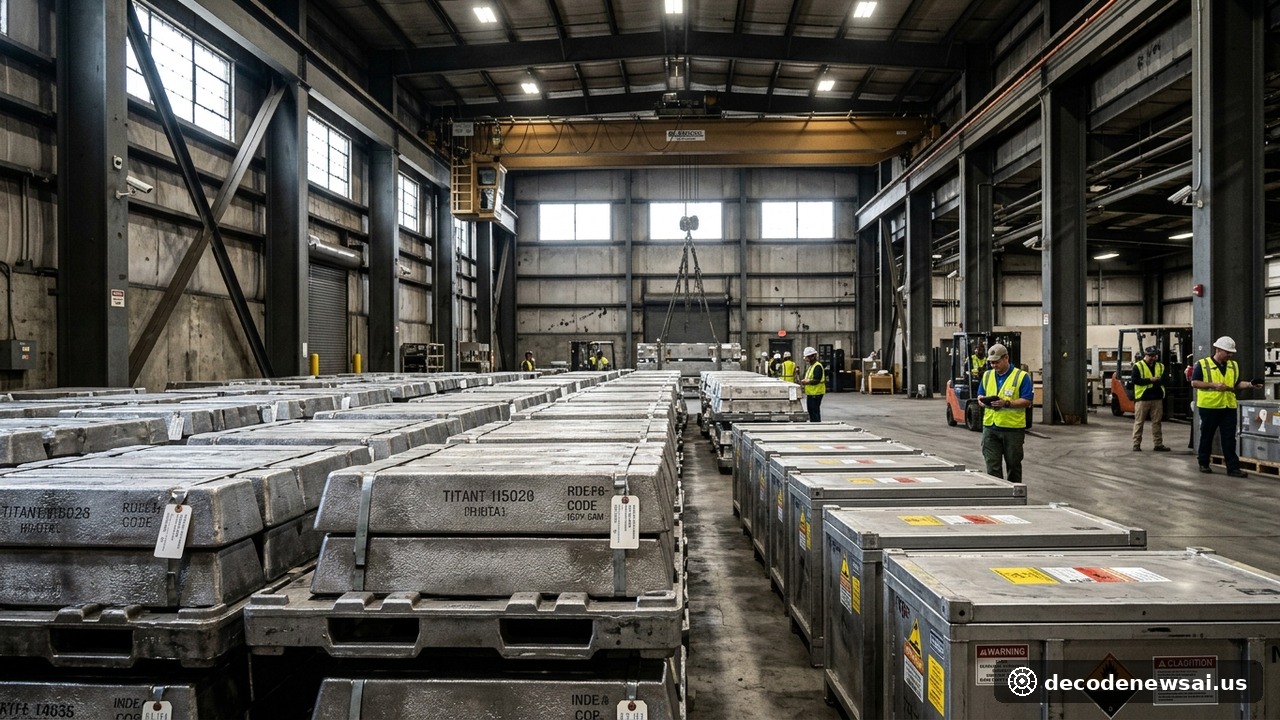
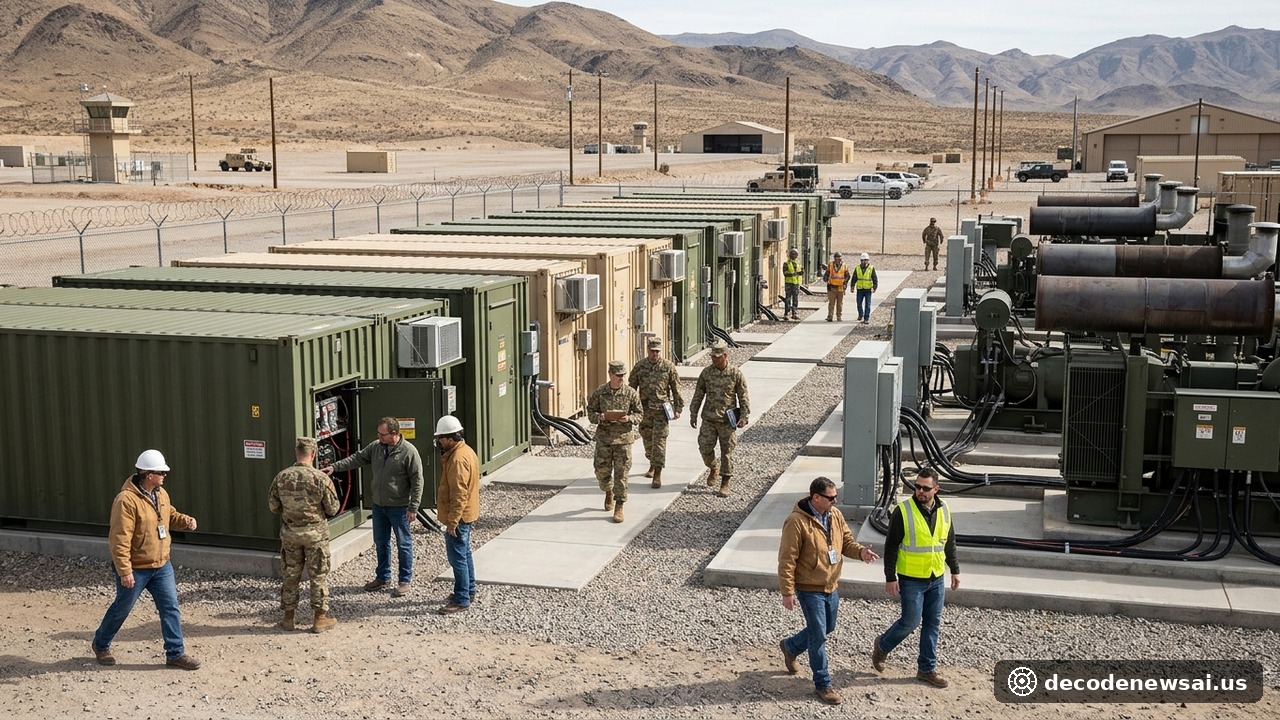
The defense directive, formally designated Federal Operations for Resilience, Troop Resources, and Essential Systems, instructs major joint force garrisons and overseas logistical hubs to decouple core mission systems from public power utilities. Base commanders must integrate dedicated microgrids, advanced battery arrays, geothermal wells, or compact modular nuclear reactors. Operational reserves must encompass electrical generation, continuous water purification, military-grade aviation turbine fuel, and essential clinical trauma supplies.
Military logistics specialists emphasized that civilian utility infrastructure remains acutely vulnerable to coordinated cyber intrusions, electromagnetic disruptions, or physical sabotage during geopolitical hostilities. Base operational efficiency historically relied on municipal water authorities and commercial power utilities. A sustained regional blackout could compromise garrison launch capabilities within days. The 90-day operational benchmark ensures joint forces maintain retaliatory operational tempo even if domestic energy networks sustain catastrophic damage.
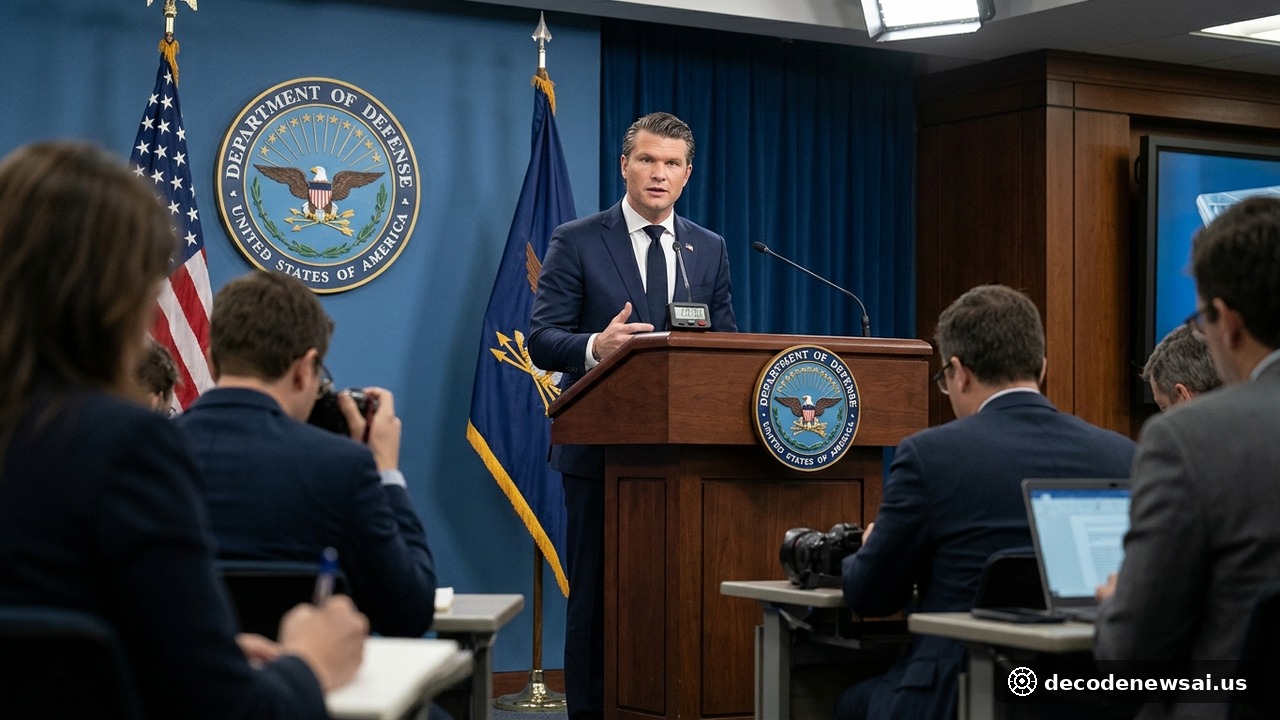
Robert Langley, senior resilience advisor at the Office of the Secretary of Defense, stated during a Pentagon briefing: "Our strategic power projection platforms cannot outsource existential mission continuity to civilian regional power grids. Major military garrisons must possess the sovereign physical capability to operate off-grid for 90 days while sustaining combat operations."
Army Corps evaluates microreactors and base microgrids
Military branches have commenced comprehensive technical audits of emergency auxiliary generators and localized distribution sub-stations. The United States Army Corps of Engineers is collaborating with the Department of Energy to evaluate microreactor deployment feasibility across critical command hubs. Air Force and Navy installations are drilling deep-strata groundwater wells and installing industrial reverse-osmosis filtration banks.
Military technical engineers reviewed operational logs from initial microgrid pilot installations deployed at frontline garrisons. Under isolated islanding simulations, commercial solar arrays paired with modular lithium-iron-phosphate container batteries sustained uninterrupted power to command-and-control communication arrays. However, energy planners acknowledged capacity shortfalls when powering high-draw phased-array radar transmitters. Defense power contractors are accelerating field development of containerized hydrogen fuel cell generators.
Defense strategy scholars observed that contemporary warfare logistics extends far beyond forward ammunition and spare-parts deliveries. The physical survivability of sovereign power hubs directly influences theater operational momentum. Mandating a 90-day off-grid operational posture forces a profound reassessment of domestic military base design and utility contracting standards. Allied military installations across NATO and Indo-Pacific commands are reviewing the strategic initiative.
Bases drill wells and stock trauma supplies for audits
Logistical engineering teams across domestic defense installations are evaluating multi-tier water distillation plants capable of operating independent of regional utility lines. Deep aquifer extraction wells are being drilled across arid southwestern garrison training complexes to ensure reliable cooling supplies for high-demand radar and electronic warfare arrays. The Pentagon's strategic framework also establishes mandatory emergency reserve quotas for frozen plasma, surgical anesthetics, and trauma supplies within on-base medical treatment facilities. Base commanders must conduct quarterly supply reconciliation audits to verify physical stockpiles against authorized resilience thresholds.
Defense infrastructure planners highlighted that independent base microgrids must operate under hardened physical enclosures designed to withstand extreme climate weather disruptions. Structural engineers are deploying reinforced concrete barriers and subterranean conduit networks to shield backup battery banks from adverse environmental conditions. Joint readiness inspectors will conduct unannounced operational audits across designated strategic garrisons throughout the implementation phase.
Congressional defense committees signaled bipartisan backing for the strategic infrastructure overhaul. Lawmakers intend to authorize dedicated resilience capital expenditures within upcoming defense authorization bills. Commercial utility providers serving defense corridors were instructed to engineer emergency physical disconnect points to protect military installations from cascading regional grid collapses. The Pentagon plans to conduct rigorous base-wide blackout simulation exercises across selected commands early next year.