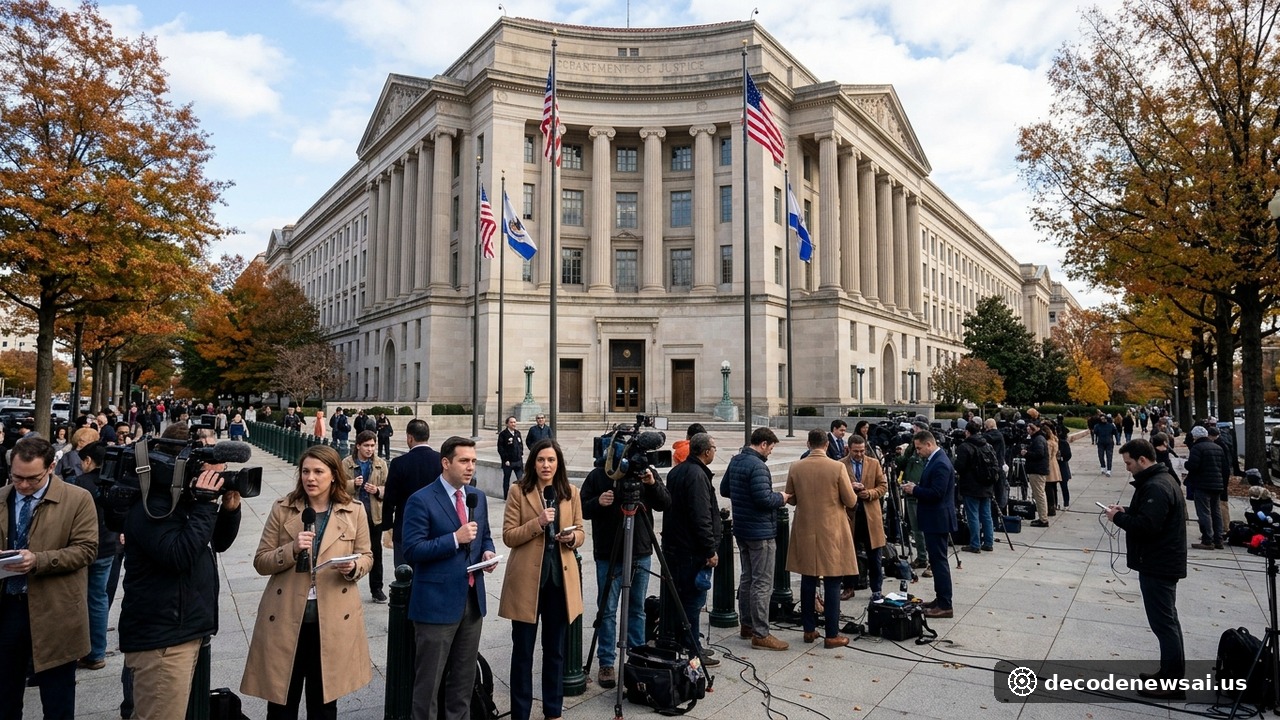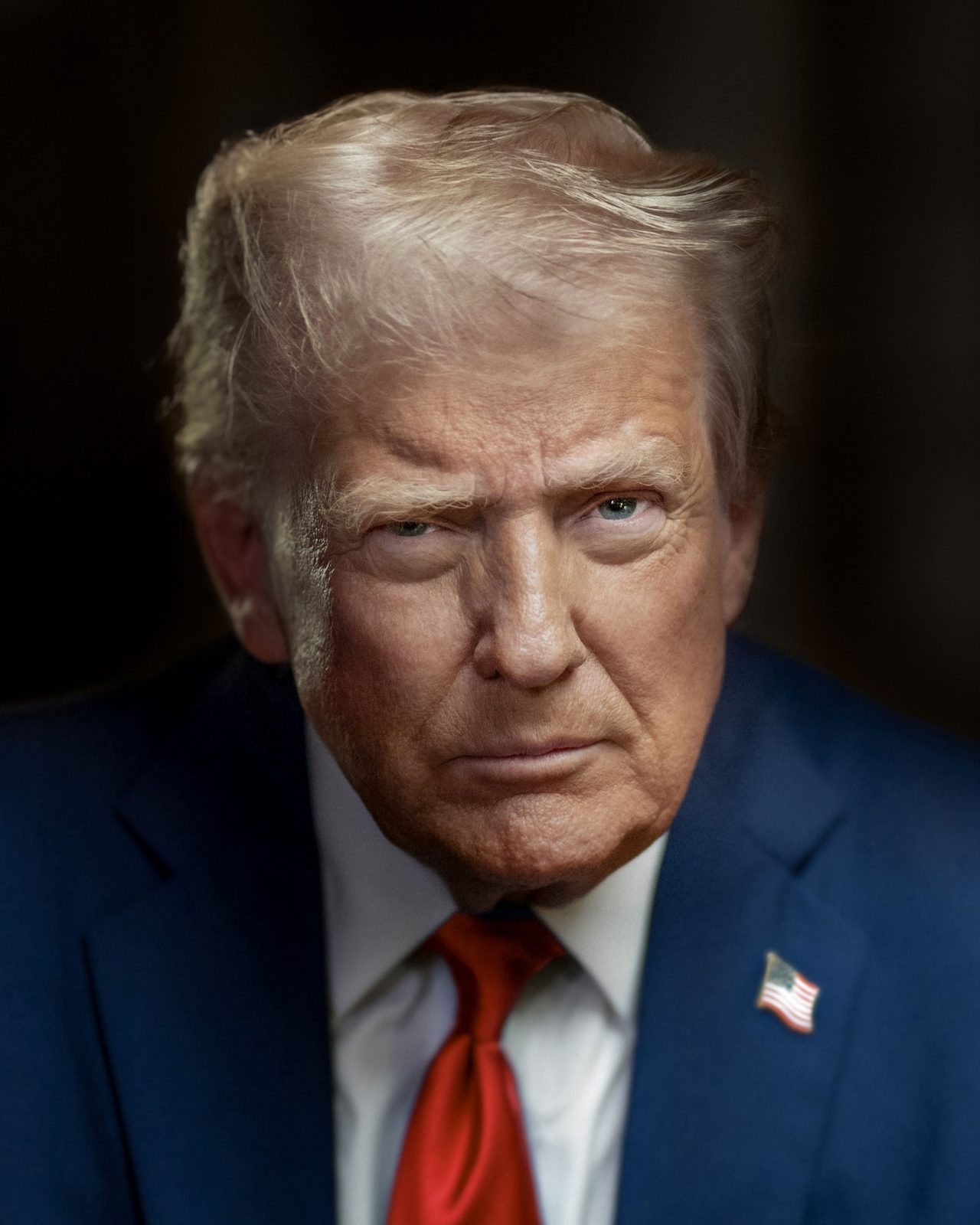
President-elect Donald Trump issued a directive to the United States Department of Justice on November 7, 2026. It instructs federal prosecutors to open criminal investigations into multiple senior Democratic congressional lawmakers and associated political organizations. The directive alleges that prominent lawmakers used legislative committee authorities to carry out witness intimidation and unlawful election interference. It cites recent congressional hearings and election cycles.
过渡团队向联邦检察官移交文件
The transition team released formal memoranda to the press. It said it has transferred hundreds of pages of documentation to federal prosecutors. The material details alleged coercive subpoena threats and private communications. The move opens an inter-branch conflict over the constitutional independence of federal law enforcement institutions.
指令列明的调查方向与法律门槛
The directive names President-elect Trump as directing authority. It was forwarded to the Department of Justice. Targeted federal offenses are witness tampering, coercive threat, and election meddling. The Times of Israel Diplomatic Desk and The Washington Post Politics Desk reported the terms.
Prosecutors have received hundreds of pages of internal communications and subpoenas. CBS News National Politics reported the transfer. The Public Integrity Section (PIN) of the Criminal Division is the coordinating federal enforcement unit. The Hill Congressional Observatory reported that assignment.
Democratic congressional leadership responded with condemnation. They called it political weaponization and retaliation. Associated Press Washington Wire (AP) carried the response.
中期Elections后的国会格局与既有争议
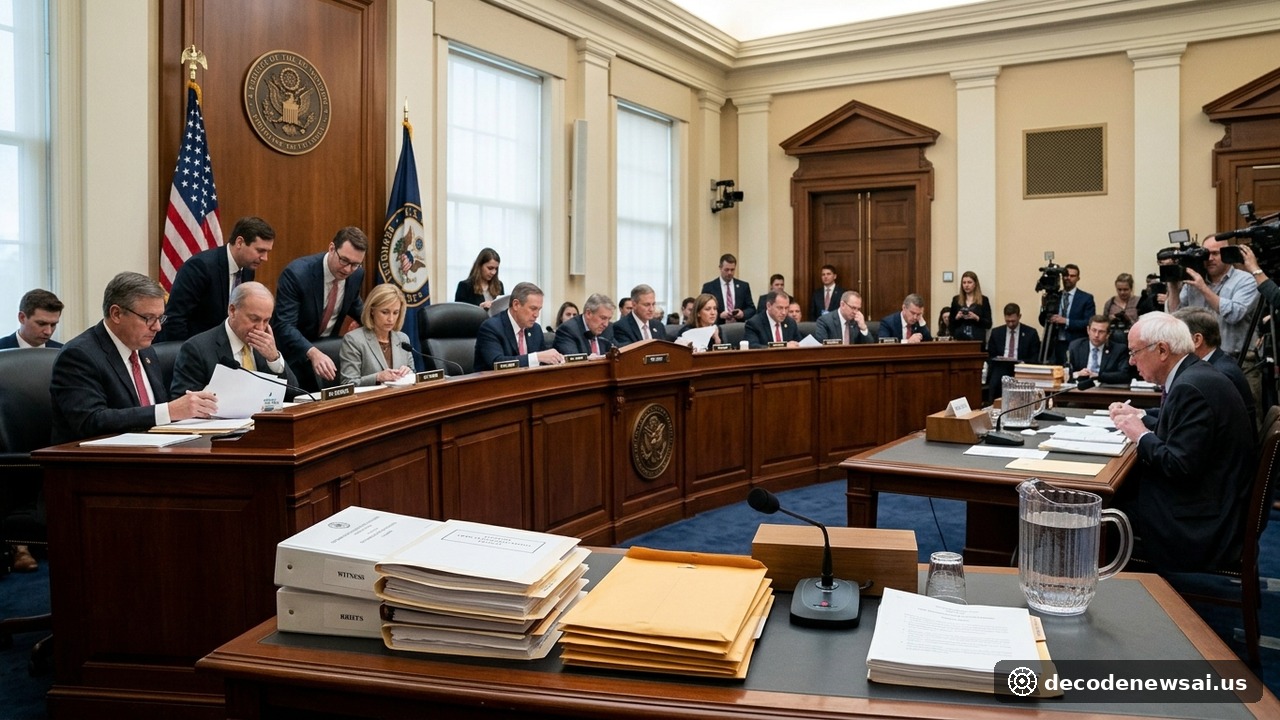
The 2026 midterm elections left deeply divided majorities across the Capitol. Longstanding grievances over legislative investigative power grew louder. Trump and his conservative allies had argued during previous legislative sessions that Democratic committee chairs weaponized congressional inquiry authorities. They said the chairs used those authorities to harass conservative witnesses and private industry executives.
Trump said in public statements that congressional leaders coordinated with political advocacy organizations. He said they threatened witnesses with perjury prosecutions and reputational destruction. The threat was meant to force testimony aligned with partisan narratives. The transition apparatus maintains such conduct goes beyond legitimate legislative inquiry. It calls the conduct criminal extortion and voter suppression that warrants federal criminal investigation.
演讲与辩论条款带来的管辖障碍
American constitutional doctrine sets statutory barriers for executive investigations of active members of Congress. The Speech or Debate Clause of Article I, Section 6 is the specific barrier. Constitutional scholars cited by CBS News emphasize that the clause confers absolute immunity upon lawmakers for core legislative actions. It prohibits executive agencies and prosecutors from questioning legislators about committee deliberations, hearing questions, or subpoena issuance.
Legal advisors aligned with the transition team argue the other way. They say constitutional protections do not shield extra-legislative coordination, fraudulent communications, or conspiratorial actions. Those actions, they argue, fall outside the direct scope of legislative business. The Justice Department's Public Integrity Section must navigate this jurisdictional terrain. It must determine whether targeted activities are protected legislative oversight or actionable violations of federal criminal civil rights statutes.
国会机构与法律观察者的反应
The announcement brought immediate condemnations from Democratic leadership in both chambers of Congress. In a joint press conference, senior Democratic lawmakers condemned the order as a dictatorial attempt. They said it weaponizes federal law enforcement institutions against constitutional political opposition. They vowed to resist prosecutorial overreach through legislative hearings and federal court challenges.
Conservative caucuses inside the House of Representatives endorsed the directive. They demanded the appointment of special counsels. The counsels would examine whether congressional investigative staff fabricated evidence. Legal historians warn that normalizing criminal investigations against political adversaries diminishes institutional trust in the Department of Justice. They say it accelerates the destabilization of executive-legislative relations across the federal government.
Constitutional scholars emphasize that institutional safeguards protecting congressional testimony must remain resilient against partisan pressure. They say future legislative bodies must preserve their fundamental oversight authority. That authority must survive without fear of executive retribution across future political transitions.