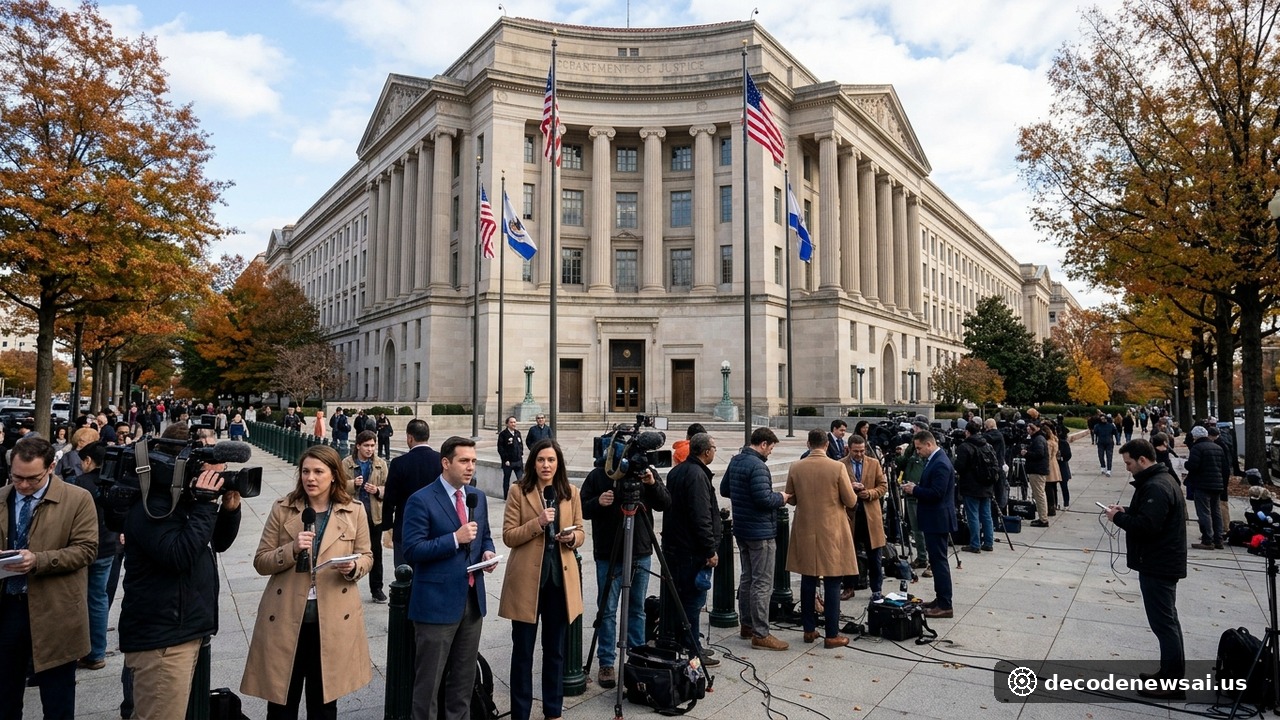
President Donald Trump issued an official directive on Sunday instructing the Department of Justice to investigate Democratic members of Congress. The executive order targets lawmakers who publicly pledged to pursue impeachment proceedings against Attorney General Todd Blanche and other senior cabinet officials. Friction between the executive and legislative branches intensified rapidly. Inter-branch tensions reached historic highs.
Blanche and Democrats Respond to Investigation Order
The public declaration was communicated across social media platforms over the weekend. The president accused congressional opposition leaders of abusing legislative oversight prerogatives following recent midterm electoral contests. President Trump asserted that televised statements threatening cabinet officials with removal constitute unlawful extortion and witness tampering. The Department of Justice was directed to review criminal statutes governing threats against federal officers. The announcement sent shockwaves throughout Washington.
Attorney General Todd Blanche addressed the prospective investigation during a nationally broadcast interview on Sunday morning. Blanche declared to television interviewers: "Members of Congress have legitimate oversight responsibilities, but threatening to systematically target every cabinet member crosses statutory boundaries." The attorney general established a firm administrative posture.
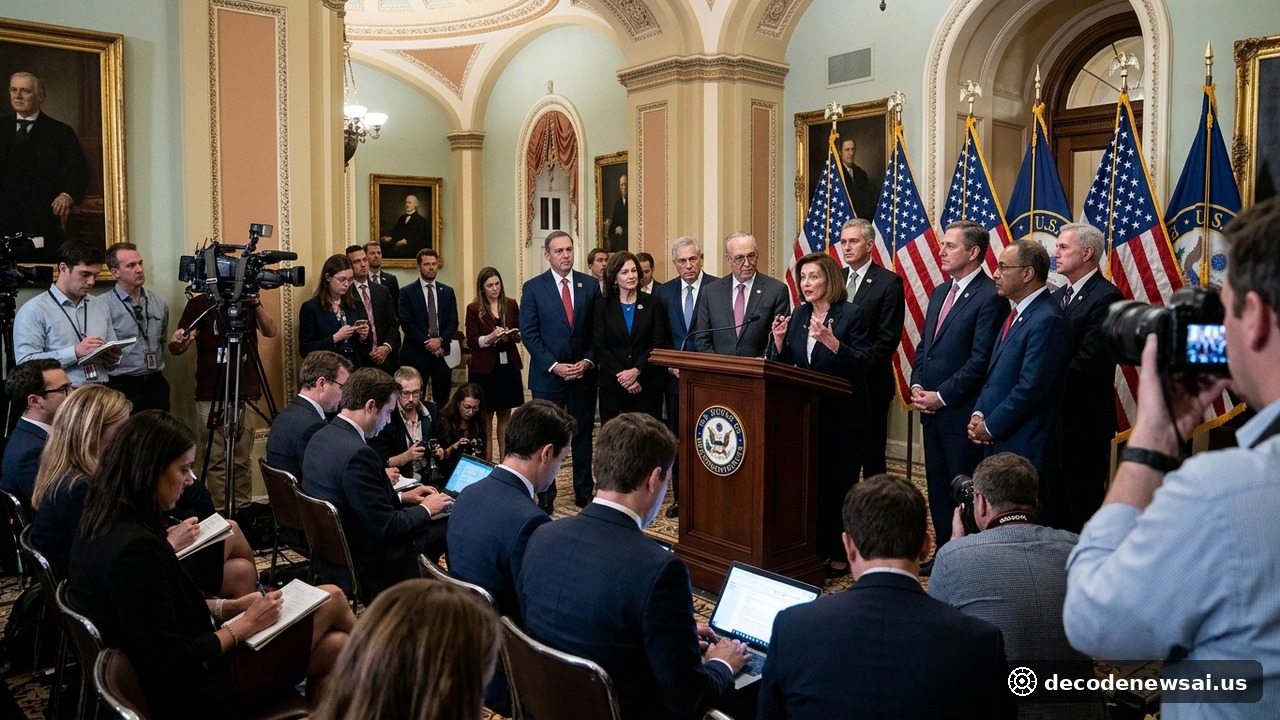
Democratic congressional leadership issued immediate statements condemning executive interference in constitutional oversight functions. Senior legislative caucuses released a joint rebuttal defending separation of powers principles. Congressional leaders emphasized that legislative scrutiny of executive branch appointees represents a cornerstone of constitutional governance. Lawmakers pledged that administrative threats would not derail planned committee inquiries. Institutional resistance crystallized quickly.
Legal Scholars Weigh Speech or Debate Clause Issues
Constitutional scholars noted that executive branch directives ordering criminal investigations into sitting legislators establish contested legal precedents. The Speech or Debate Clause of Article I provides federal lawmakers with sweeping immunity covering legislative acts and floor deliberations. Federal district courts historically decline to adjudicate discretionary political disputes between co-equal branches. Jurisprudential pathways remain complex and uncertain.
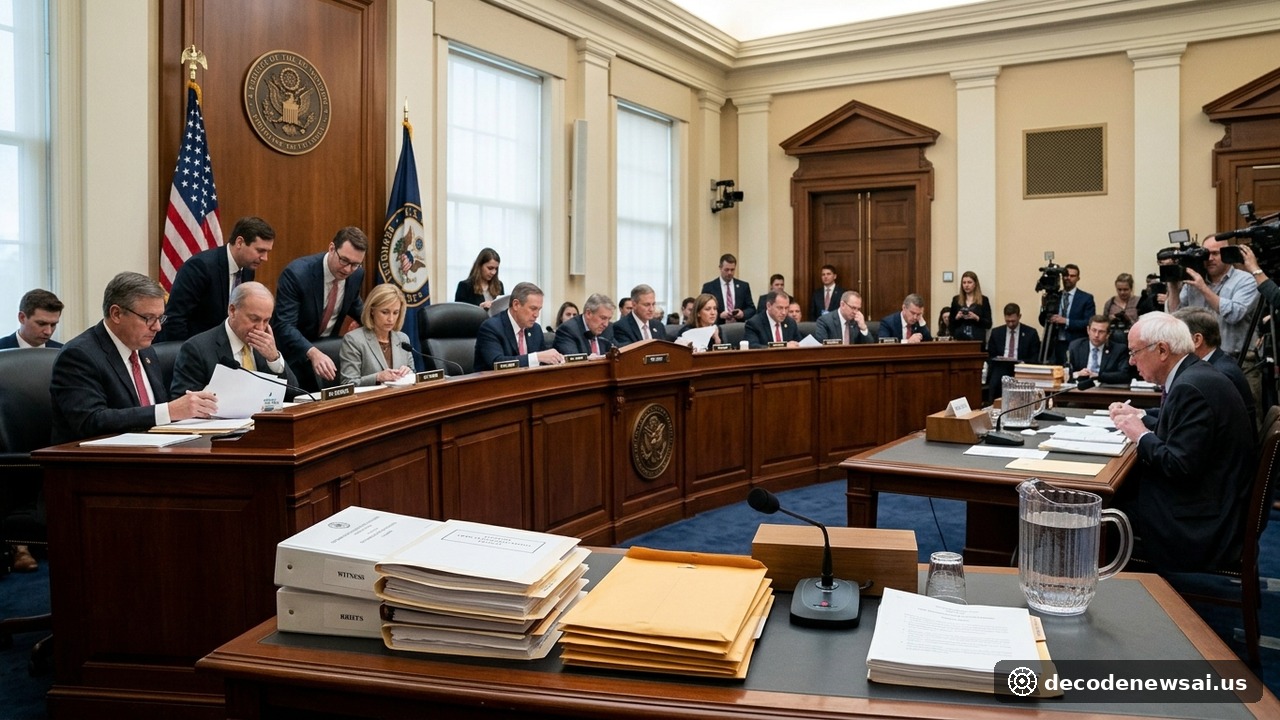
Washington political strategists observed that the executive order represents a preemptive posture against anticipated committee subpoenas. Democratic leaders signaled plans to convene public hearings regarding federal personnel appointments and regulatory decisions once the newly elected Congress convenes in January. Cabinet nominees and agency heads face rigorous examination. Administrative departments prepared defensive strategies.
Career prosecutors within the Department of Justice expressed caution regarding legal thresholds required to initiate formal grand jury inquiries. Criminal law experts emphasized that standard political rhetoric rarely satisfies federal statutory criteria for extortion or corrupt obstruction. Premature subpoenas could provoke adverse judicial rulings regarding prosecutorial overreach. Department leadership faces significant professional scrutiny.
Republicans Back Trump as Governance Gridlock Looms
Congressional Republicans expressed support for the president's uncompromising stance toward opposition leaders. House Judiciary Committee leaders indicated that companion oversight panels may investigate historical committee communications. Partisan friction across legislative chambers appears poised to escalate. Congressional dynamics are undergoing structural realignments.
Governance policy institutes in Washington warned that escalating confrontations between the executive and legislature could paralyze essential legislative business. Impending legislative negotiations regarding federal debt authorizations and statutory appropriations face gridlock. Federal agency operations risk operational disruptions. Bipartisan compromise appears increasingly elusive.
As preparatory sessions for the convening of the next Congress advance, constitutional friction between the executive branch and lawmakers will dominate headlines. The trajectory of potential Justice Department inquiries will shape political alignments for months to come. American democratic governance continues to navigate intense structural tests.
Legal Aides and Scholars Prepare Immunity Challenges
Congressional legal aides prepared detailed memoranda reviewing historical precedents concerning executive branch actions targeting sitting members of Congress. Former federal prosecutors emphasized that grand jury investigations directed at legislative speech face insurmountable constitutional barriers in appellate courts. Bipartisan legal scholars cautioned that weaponizing executive enforcement powers undermines foundational separation of powers protections across democratic institutions. Public policy watchdogs emphasized that legal challenges regarding legislative immunity will test the limits of executive branch authority throughout the remainder of the calendar year.