Koninklijke Ahold Delhaize N.V. published its weekly share buyback progress update on November 10, 2026. The food retail group reported substantial execution across its ongoing 1 billion euro share repurchase program. That program began in early 2026. Ahold Delhaize has repurchased a cumulative total of 26,243,158 common shares.
The aggregate consideration was 921.4 million euros. That works out to an average price of 35.12 euros per share. The detailed financial filing covers the retailer's capital return strategy. It also covers operational execution through volatile macroeconomic cycles.
Advancing 1 Billion Euro Buyback Plan with Over 92 Percent Already Executed
During the preceding five trading sessions, the group repurchased 558,400 common shares. The purchases ran on Euronext Amsterdam and Euronext Brussels. The weekly outlay was 19.7 million euros. That brings completion to 92.1 percent of the authorized 1 billion euro allocation.
Corporate leadership reaffirmed the full buyback mandate will conclude comfortably before the end of December 2026. Repurchased treasury stock will be systematically cancelled. The company says that will enhance earnings per share metrics across upcoming fiscal periods.
The Chief Financial Officer of Ahold Delhaize commented from corporate headquarters in Zaandam: "Our prudent working capital management and robust free cash flow generation enable us to execute our capital return commitments smoothly. We remain dedicated to delivering long-term shareholder value while continuously investing in our retail networks."
Leveraging Omnichannel Retail Resilience and Supply Chain Efficiencies Across US and Europe
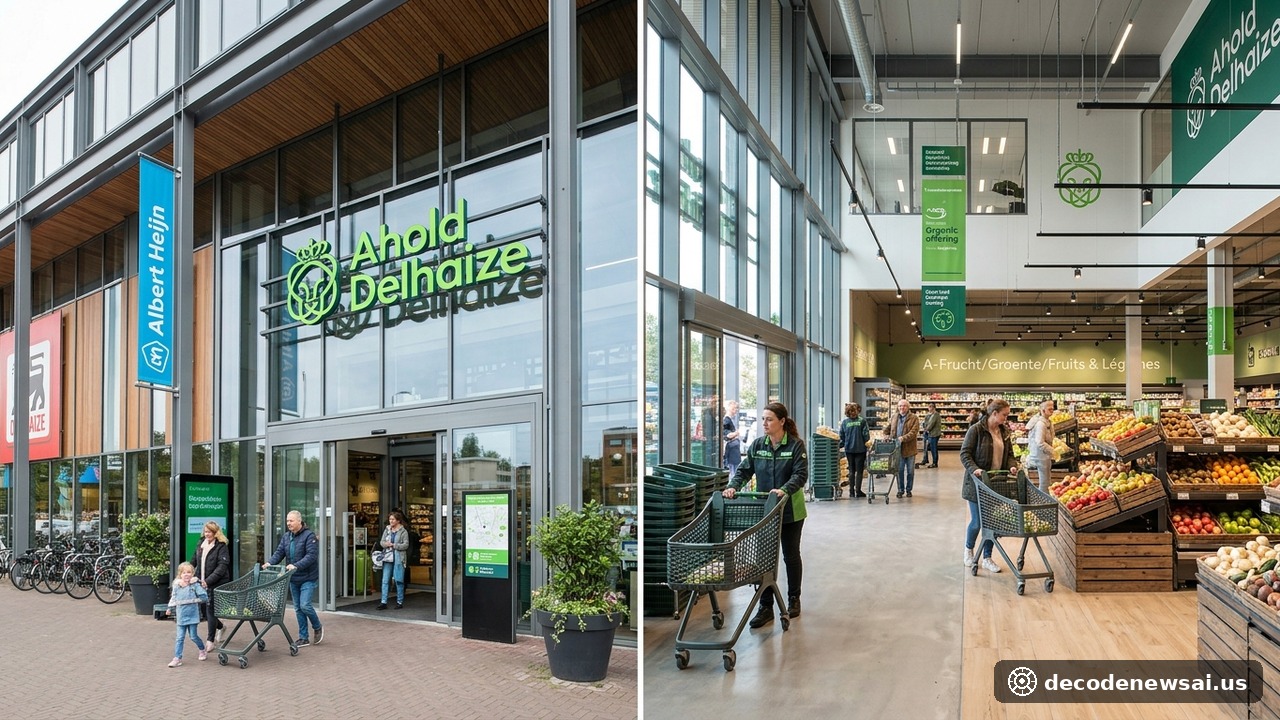
The retailer's cash flow generation stems from a diversified portfolio of local supermarket brands. In Europe those include Albert Heijn and Delhaize. In the United States they include Stop & Shop, Giant Food, and Food Lion. Supply chain automation and centralized procurement have insulated operating margins against persistent food inflation.
Ahold Delhaize expanded private-label product penetration to more than 35 percent of total grocery sales. These products give price-sensitive households cost-effective alternatives. They also protect commercial gross margins. Strong customer retention in suburban retail locations continues to drive healthy store traffic and expanding digital grocery deliveries.
A senior European consumer retail analyst at an international investment bank observed: "Ahold Delhaize maintains an exceptionally resilient competitive moat across both European and North American grocery markets. Substantial share repurchases combined with progressive dividend yields reinforce its premier defensive investment profile."
Maintaining Robust Balance Sheet Discipline and Funding Long-Term Digital Capabilities
Alongside active shareholder distributions, Ahold Delhaize maintains a conservative financial structure. The group's net debt to EBITDA ratio remains securely anchored well below its internal ceiling of 2.2 times. That preserves an investment-grade credit rating and attractive corporate debt financing costs.
The company continues to allocate over 2 billion euros in annual capital expenditures. The money goes toward store fleet electrification, automated distribution centers, and omnichannel digital retail technologies. The balanced allocation between organic growth reinvestment and direct shareholder returns positions the group favorably for sustainable commercial leadership throughout 2027.
Institutional portfolio managers in Amsterdam commended the retailer's transparent execution. They emphasized that consistent equity retirement reinforces investor confidence during periods of broader market uncertainty.
Furthermore, macroeconomic analysts and international policy researchers highlighted that structured institutional collaboration establishes long-term operational certainty across global markets. By aligning statutory guidelines with rigorous technical standards, regulatory agencies and commercial stakeholders cultivate resilient operational ecosystems capable of navigating evolving economic conditions. Global industry participants look forward to tracking forthcoming milestone developments as organizations implement their strategic priorities throughout 2027. Cross-sector coordination remains essential for driving sustainable innovation and delivering tangible economic benefits across public and private sectors.
Strategic planning advisors and international trade specialists noted that long-term intergovernmental frameworks generate predictable operating environments across key industry sectors. By coupling transparent administrative guidelines with rigorous scientific benchmarks, regulatory bodies and enterprise leaders establish sustainable operating models capable of withstanding shifting macroeconomic dynamics. Global market participants will continue observing forthcoming implementation milestones as public agencies execute their mandated responsibilities throughout 2027. Cross-border coordination remains vital for driving sustained operational resilience and delivering measurable societal benefits worldwide.