Specialty apparel retailer The Children's Place, Inc. filed voluntary Chapter 11 petitions on Sunday, November 8, 2026. The retailer submitted its filing to the U.S. Bankruptcy Court for the District of New Jersey. Outstanding debt under credit agreements totaled approximately $394 million as of the petition date. The company launched a court-supervised asset sale under Section 363.
Debt Restructuring and Section 363 Sale Launch
Based in Secaucus, New Jersey, The Children's Place is one of North America's largest pure-play children's apparel retailers. The company faced severe liquidity constraints. These followed consecutive quarters of inflationary cost pressures. Soaring logistics expenses and shifting family apparel spending widened operational shortfalls.
In an 8-K filing submitted to the Securities and Exchange Commission, the merchant disclosed debt details. Outstanding obligations under primary term loans and credit facilities reached $394 million. The company held talks with primary term lenders. The talks covered operational runway and financing.
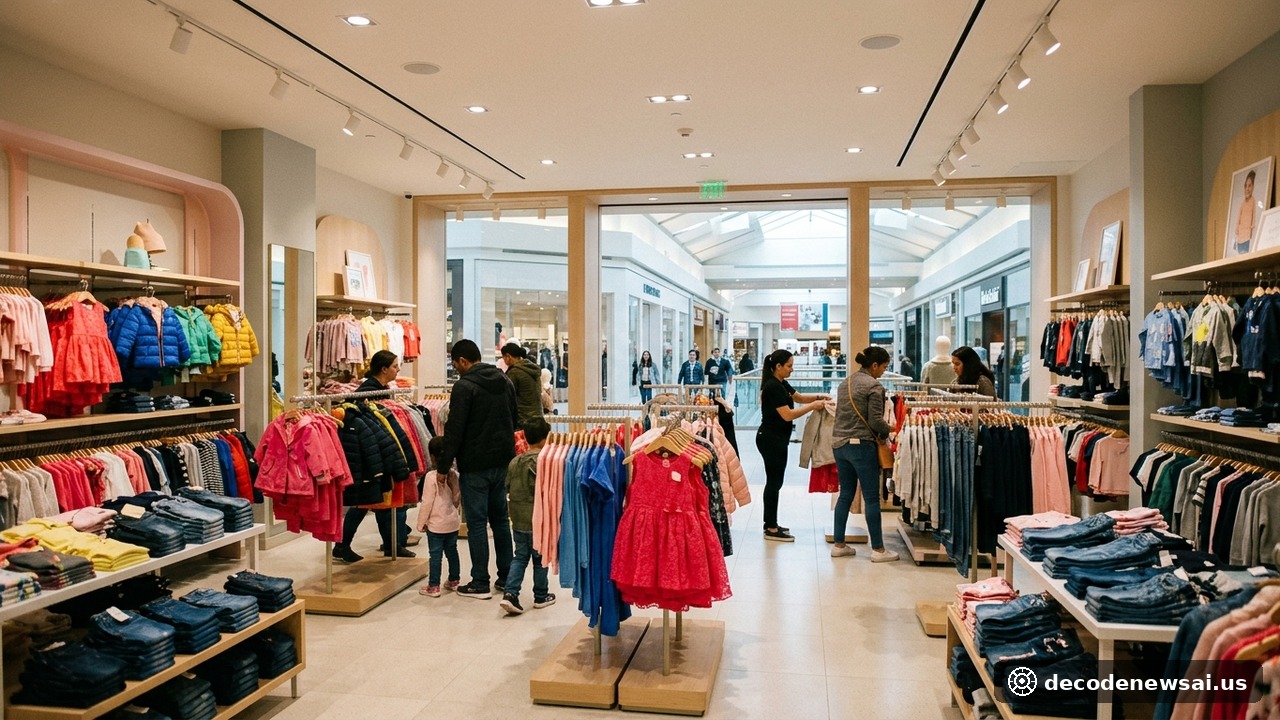
The retailer initiated the Chapter 11 process to market assets as a going concern. All physical retail storefronts and online e-commerce channels remain open. Management emphasized customer continuity during the judicial restructuring: "Stores and e-commerce sites remain open and continue to serve customers as we pursue a court-supervised sale."
Bid Deadlines and Debtor-in-Possession Financing
Court documents outline clear transactional deadlines for interested buyers. The debtor requested qualified acquisition proposals by December 9, 2026. Management targets closing a comprehensive asset transaction before the end of December 2026.
To support operations during bankruptcy proceedings, the company is seeking approval for debtor-in-possession financing. The proposed facility includes new liquidity from existing secured lenders. It also carries authorization to use cash collateral. These funds will maintain payroll, vendor logistics, and store inventory throughout the peak holiday shopping period.
Restructuring advisors are actively marketing the enterprise to strategic fashion retailers and private equity firms. Multiple parties entered non-disclosure agreements to review financial data. Leadership expressed optimism. A court-supervised sale will preserve core brand operations, in that view.
Retail Headwinds and Holiday Season Challenges
The Chapter 11 filing illustrates structural pressures across the brick-and-mortar retail sector. American households faced elevated living costs. Families pulled back on discretionary apparel purchases. Mass-market discount retailers and fast-fashion platforms captured increased market share.
Rising commercial lease liabilities and supply chain expenses worsened operating losses. The Children's Place closed unprofitable locations over the past twenty-four months. Overhead costs remained elevated. The restructuring aims to clean balance sheet liabilities and preserve vendor agreements.
Industry analysts will monitor vendor supply continuity ahead of the vital winter quarter. The Bankruptcy Court in Newark scheduled initial first-day hearings for early this week. Judge Craig Goldblatt will evaluate emergency cash collateral relief. The goal is seamless retail operations.
Commercial restructuring attorneys noted that pre-negotiated court-supervised sale processes under Section 363 represent the most effective strategy for preserving specialized retail footprints. Securing court approval for debtor-in-possession financing guarantees that store associates, logistics vendors, and distribution center employees remain compensated without operational interruptions. Retail industry observers will monitor binding asset bids closely. Competitive bidding procedures advance toward the December deadline.
Financial restructuring consultants underscored that court-supervised section 363 sales represent the standard mechanism for preserving operating retail banners. Securing debtor-in-possession financing guarantees that store employees, distribution centers, and commercial merchandise vendors receive timely payments. Industry analysts will track competitive bidding results. They will see whether strategic apparel conglomerates or specialized brand management firms acquire the retail chain. Securing debtor-in-possession financing guarantees that operational store associates, distribution centers, and commercial merchandise vendors receive timely compensation throughout the restructuring process. The company expects the court-supervised sale to provide a sustainable foundation for long-term retail operations.