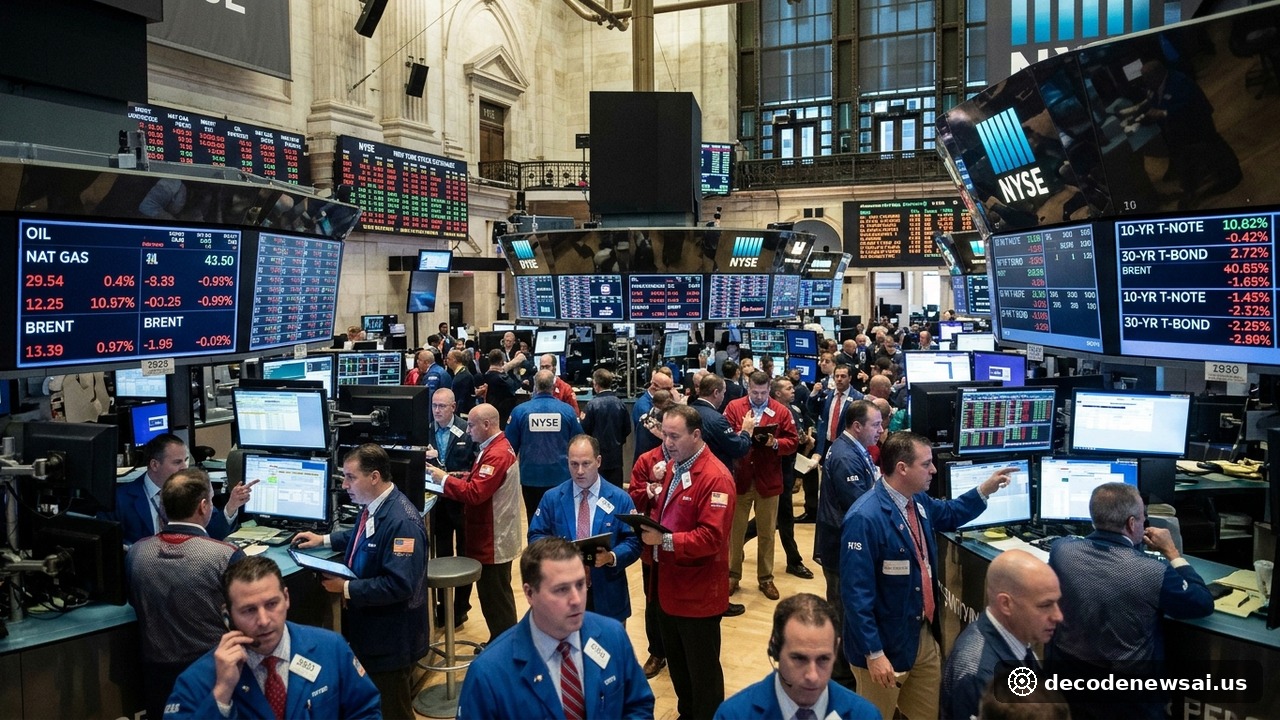
U.S. equity markets staged a massive relief rally on Monday, November 9, 2026, driven by a sharp retreat in international crude oil prices. The Dow Jones Industrial Average surged by 1,104.02 points, closing at 52,389.75. The broader S&P 500 index rallied 173.08 points to finish at 7,549.94. Meanwhile, the technology-heavy Nasdaq Composite leaped 673.71 points to end the session at 25,253.14. The session marked one of the strongest single-day performances of the year. Calming bond yield volatility supported widespread risk appetite.
Tech and chip stocks lead broad market gains
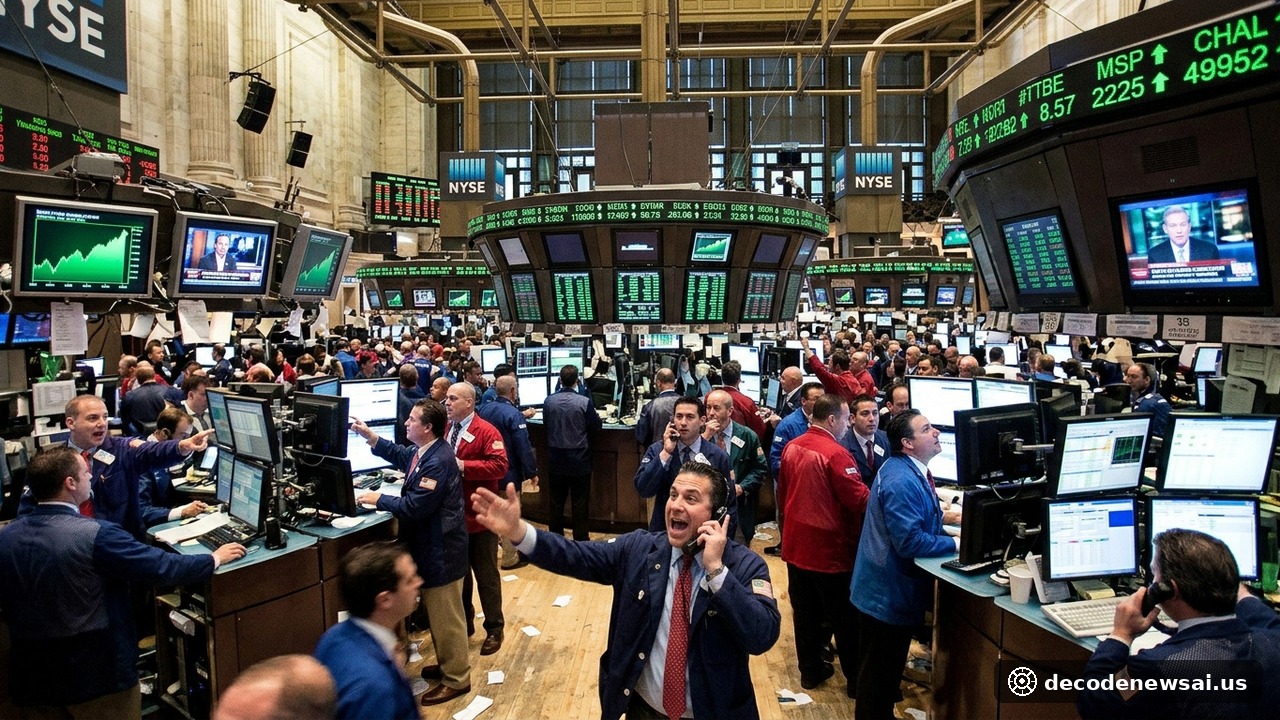
New York trading desks experienced uninterrupted buying pressure from the opening bell. Investors moved aggressively to repurchase oversold technology equities and cyclicals battered during the prior week's correction. The rally was exceptionally broad, lifting nine out of eleven primary market sectors.
Semiconductor manufacturers and artificial intelligence infrastructure suppliers spearheaded the gains. Micron Technology stock jumped by more than 6% to close at $733.15, recouping steep losses from prior sessions. Peer semiconductor leaders including Broadcom and Advanced Micro Devices posted complementary advances.
International equity bourses mirrored the positive momentum established in North America. France's benchmark CAC 40 index advanced 1.2%, while Tokyo's Nikkei 225 jumped 2.3% during morning trading. Cross-border capital flows indicated broad stabilization across sovereign equity categories.
Oil drop and stable Treasury yields lift equities
A pronounced drop in global energy benchmarks served as the primary catalyst for equity valuation expansion. Easing diplomatic rhetoric concerning Middle Eastern shipping bottlenecks encouraged speculative traders to liquidate long oil contracts. Lower fuel input expenses directly alleviate headline inflation pressures on corporate logistics.
Concurrently, the fixed-income marketplace demonstrated reassuring stability. The yield on the benchmark 10-year U.S. Treasury note edged up slightly to 4.87%, holding well below its recent multi-decade peak above 5.30%. Moderating yield benchmarks lowered capital hurdle rates across corporate balance sheets. In a research briefing published in New York, a senior market strategist at Charles Schwab remarked on market dynamics. The strategist stated: "Lower crude oil prices and stabilized borrowing costs provide welcome breathing room, allowing institutional investors to refocus on sound corporate fundamentals."
Corporate earnings resiliency reinforced market sentiment. Third-quarter financial filings across S&P 500 corporations showed robust operating margin preservation despite elevated interest rates. The Cboe Volatility Index registered its sharpest decline in three months.
Midterm gridlock and earnings support sentiment
Wall Street portfolio managers also recalibrated political risk following midterm election results. The emergence of divided government in Washington creates policy gridlock, substantially reducing the likelihood of major corporate tax revisions or unilateral antitrust restructuring mandates.
Investors view legislative stagnation as beneficial for near-term corporate capital planning. Regulatory uncertainty regarding healthcare reimbursement adjustments and artificial intelligence data center permitting dissipated noticeably across commercial sectors. Institutional asset allocators expanded allocations into profitable megacap technology firms.
Market participants now turn their attention to forthcoming macroeconomic releases. The upcoming Consumer Price Index release will determine whether the Federal Reserve pauses or alters interest rate projections heading into year-end sessions. Institutional traders maintain positive sentiment as technical indicators signal sustained momentum.
Analysts cite healthy risk appetite and yields
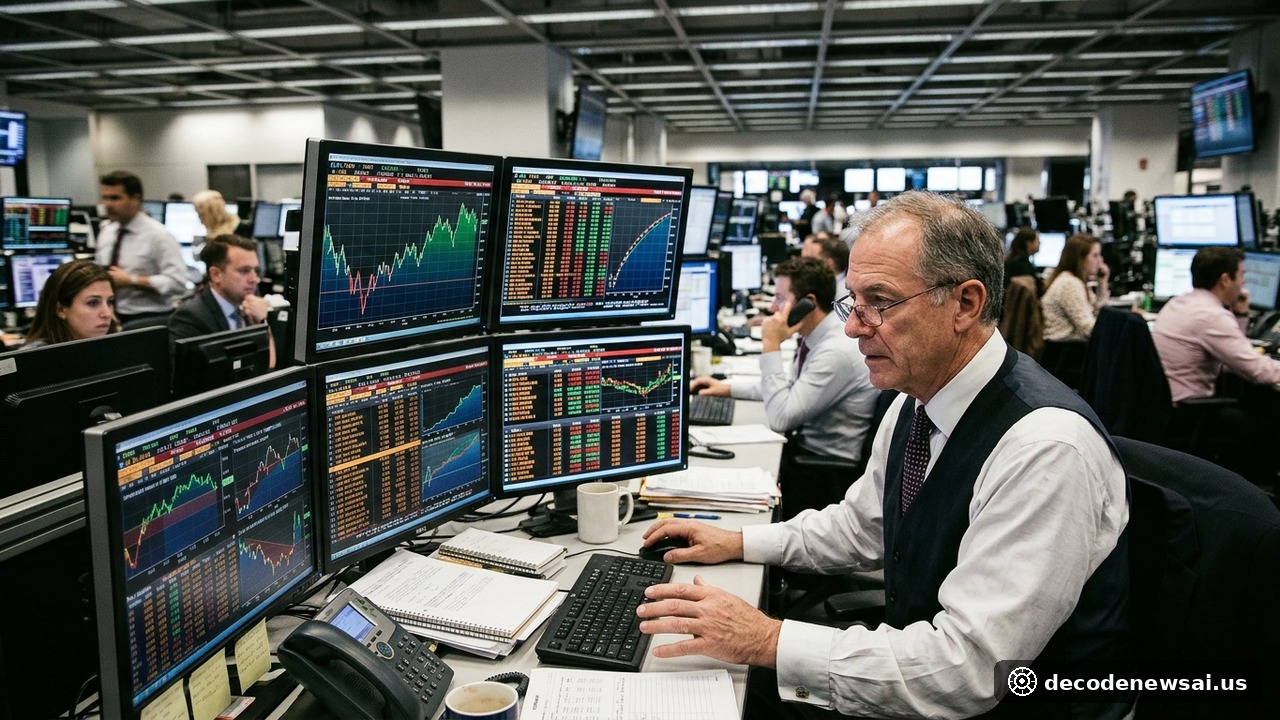
Wall Street investment strategists and equity research analysts noted that broad market rallies supported by declining crude oil prices demonstrate healthy underlying institutional risk appetite. Because energy input costs directly influence headline inflation metrics and corporate margin expectations, the retreat in global petroleum futures alleviates persistent consumer price concerns across major sectors. Institutional asset management firms and portfolio allocators increased exposure to high-growth technology and semiconductor equities following technical breakouts above critical moving averages. Charles Schwab market analysts highlighted that stabilizing ten-year Treasury yields below recent cyclical peaks provides an attractive macroeconomic environment for corporate earnings expansion. Financial market participants noted that disciplined capital management and steady corporate balance sheets continue to support equity valuations heading into year-end trading sessions.