Eurostat, the statistical office of the European Union, released its monthly asylum and temporary protection monitoring report on November 10, 2026, in Luxembourg. The official data revealed that the total number of non-EU citizens who fled Ukraine and held temporary protection status across EU member states slightly decreased to 4,372,000 as of September 30, 2026, representing a net decrease of approximately 15,000 individuals compared to August. Total Beneficiaries Under EU Temporary Protection Settle at 4.37 Million in September The detailed statistical release documents demographic trends and mobility patterns among displaced populations residing across the European bloc.
Germany and Poland Lead Hosting as EU Employment Rates Rise
According to the data, Germany continues to host the largest absolute population of temporary protection recipients, providing shelter to 1,125,000 individuals, or approximately 25.7 percent of the EU total. Poland hosted the second-largest group with 983,000 beneficiaries, followed by the Czech Republic with 381,000 individuals. When measured relative to national population size, the Czech Republic maintained the highest per capita ratio, hosting 35.2 temporary protection holders per thousand residents. Women accounted for 45.8 percent of beneficiaries, while children comprised 32.1 percent.
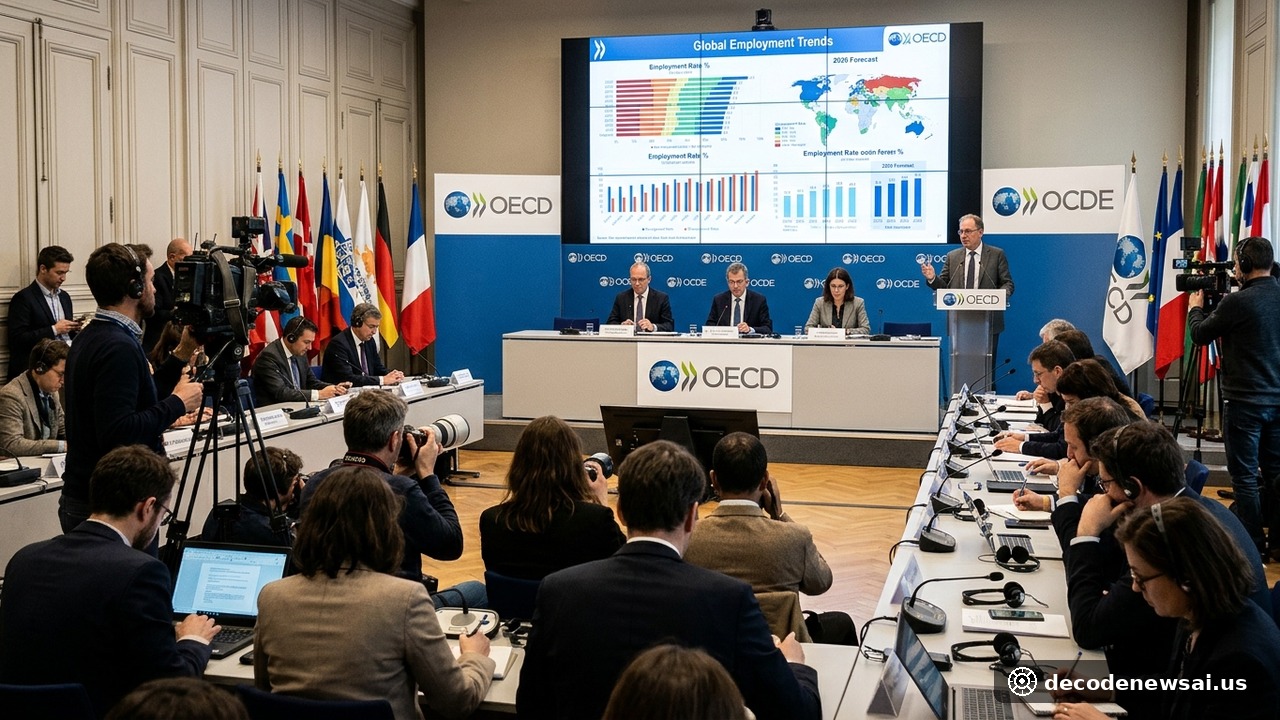
The Head of Migration Statistics at Eurostat stated during a press briefing in Luxembourg: "Our September monitoring data indicates a moderate stabilization in overall temporary protection figures across the European Union. As rehabilitation efforts continue in western Ukraine and families adjust their domestic plans, voluntary returns during the early autumn have contributed to modest overall caseload reductions." Host Nations Accelerate Labor Market Integration and Vocational Qualification Recognition Beyond emergency shelter, host member states have shifted policy priorities toward facilitating the long-term economic integration of displaced Ukrainian adults into domestic labor markets.
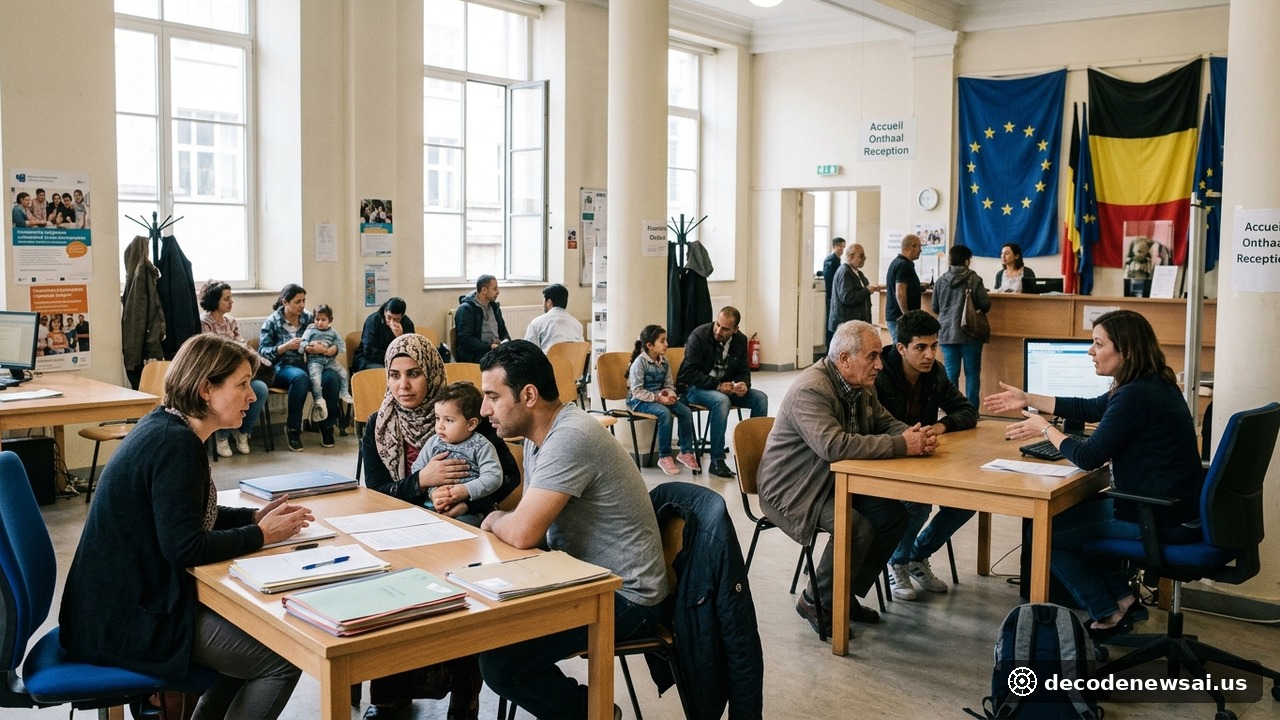
Eurostat noted that employment rates among working-age beneficiaries in Germany and the Czech Republic reached 38 percent and 52 percent respectively. National labor ministries have established specialized vocational language courses and streamlined credential recognition procedures for healthcare, engineering, and digital technology professionals. These initiatives have helped alleviate structural labor shortages across European manufacturing and service sectors while expanding local social security tax contributions.
EU Approves 450 Million Euros for Winterization and Reception Upgrades
A senior demographic economist at the Centre for European Policy Studies in Brussels remarked: "Temporary protection policy has successfully navigated the transition from humanitarian emergency relief to active economic integration. Facilitating access to formal employment significantly eases public fiscal burdens while generating vital productivity gains for host economies." EU Coordinates Emergency Winterization Assistance and Reception Center Upgrades In anticipation of challenging winter conditions across Eastern Europe, the European Commission and national authorities have mobilized targeted infrastructure funding to winterize reception facilities.
The European Council approved an emergency winterization allocation of 450 million euros, designated primarily to modernize heating systems and expand healthcare resources across reception facilities in Poland, Slovakia, and Romania. Concurrently, unified digital registration registries have prevented administrative duplications and streamlined social support disbursement across border jurisdictions.
A senior research fellow at the Polish Institute of International Affairs observed in Warsaw: "Eurostat's latest demographic monitoring illustrates the enduring resilience of the European Union's humanitarian framework. Transparent, data-driven migration management remains essential to maintaining European social solidarity."
Analysts Highlight Predictable Operating Environments for 2027
Strategic planning advisors and international trade specialists noted that long-term intergovernmental frameworks generate predictable operating environments across key industry sectors. By coupling transparent administrative guidelines with rigorous scientific benchmarks, regulatory bodies and enterprise leaders establish sustainable operating models capable of withstanding shifting macroeconomic dynamics. Global market participants will continue observing forthcoming implementation milestones as public agencies execute their mandated responsibilities throughout 2027. Cross-border coordination remains vital for driving sustained operational resilience and delivering measurable societal benefits worldwide.
Strategic planning advisors and international trade specialists noted that long-term intergovernmental frameworks generate predictable operating environments across key industry sectors. By coupling transparent administrative guidelines with rigorous scientific benchmarks, regulatory bodies and enterprise leaders establish sustainable operating models capable of withstanding shifting macroeconomic dynamics. Global market participants will continue observing forthcoming implementation milestones as public agencies execute their mandated responsibilities throughout 2027. Cross-border coordination remains vital for driving sustained operational resilience and delivering measurable societal benefits worldwide.