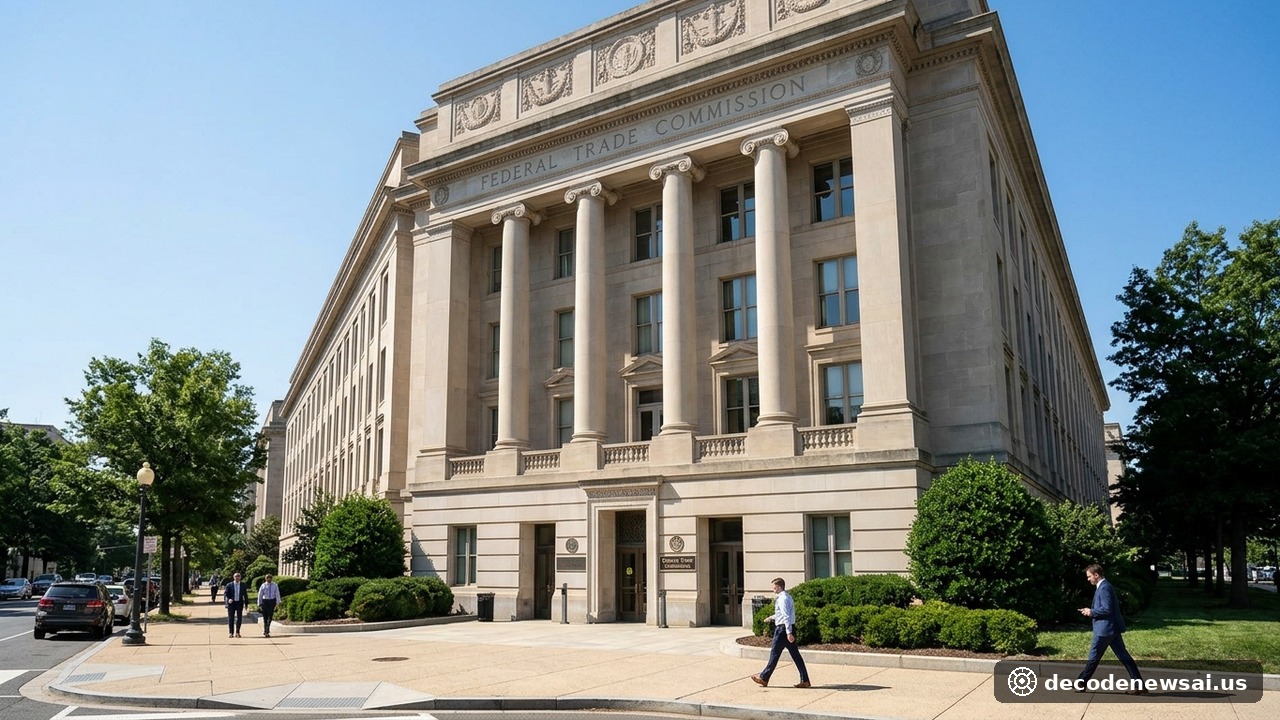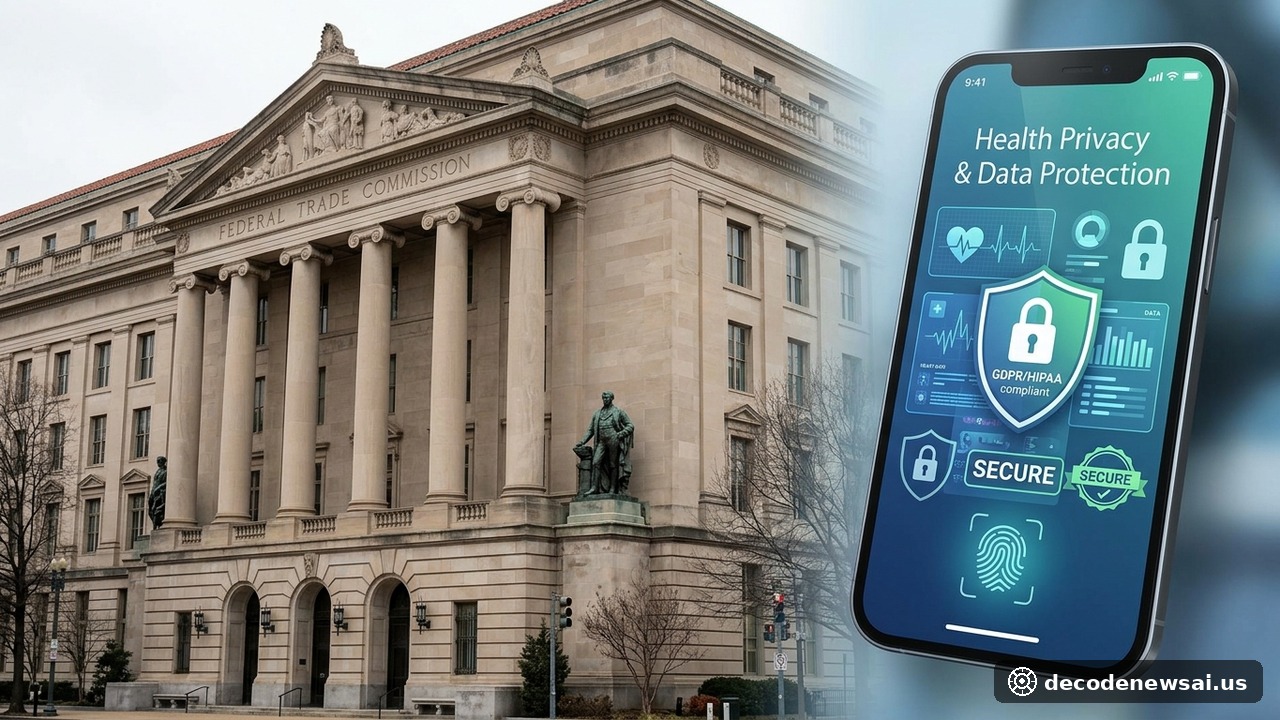
The Federal Trade Commission (FTC) filed an amended civil complaint in federal district court on November 10, 2026, officially joining attorneys general from five states as co-plaintiffs in its ongoing enforcement action against telehealth provider Hims & Hers Health, Inc. The expanded lawsuit alleges deceptive and unlawful privacy practices regarding the sharing of consumers' sensitive medical data with third-party advertising platforms.
Expanding Federal-State Enforcement Action Against Telehealth Provider Hims & Hers
The amended complaint marks a significant escalation in regulatory scrutiny over digital health applications and online prescription platforms. State attorneys general from Arizona, California, and three partner states officially entered the litigation under Matter X260029, broadening the scope of alleged state consumer protection and privacy statute violations.
According to the filed pleadings, Hims & Hers allegedly violated platform privacy promises made to millions of consumers seeking consultations for sensitive conditions, including mental health, hair loss, and weight management. The complaint asserts that the company shared users' diagnostic survey responses and personally identifiable information with commercial marketing networks without obtaining affirmative express consent.
The Director of the FTC's Bureau of Consumer Protection stated in Washington: "Consumers consulting online healthcare platforms have every right to expect that their deeply personal medical discussions remain strictly confidential. We will vigorously hold companies accountable when they monetize sensitive patient health data for commercial advertising."
Alleging Deceptive Tracking Pixels Shared Sensitive Survey Responses with Advertisers
The regulatory complaint details how hidden digital tracking technologies embedded across the defendant's mobile applications and websites captured detailed consumer intake surveys. Prospective patients answering questionnaires regarding anxiety, depression, or body mass index had their interactions logged and transmitted to external advertising networks.
These data transmissions allowed commercial algorithms to categorize consumers into commercial target segments, resulting in users receiving unsolicited, highly targeted health advertisements on third-party social media platforms. The regulators contend these practices directly contradicted the company's prominent public claims of maintaining medical-grade data privacy.
The Chief Deputy Attorney General for California remarked in Sacramento: "Health privacy is a fundamental consumer right that cannot be compromised for marketing growth. Telehealth enterprises must never convert patients' medical vulnerability into commercial data commodities."
Seeking Permanent Injunctive Relief and Mandatory Deletion of Unlawfully Obtained Data
In their joint prayer for relief, the FTC and state attorneys general are asking the federal court to impose substantial civil monetary penalties and issue permanent injunctive remedies. The proposed orders would require the company to delete all user profile data obtained through unauthorized tracking mechanisms.
Furthermore, the requested injunction would mandate that the company establish a comprehensive third-party information security auditing program lasting a decade. The landmark enforcement action establishes a firm regulatory precedent for the rapidly growing digital health sector, demonstrating that consumer privacy protections apply rigorously to online medical consultations.
A senior digital privacy fellow at a prominent public interest legal organization noted that the expanded state-federal litigation sends an unmistakable signal to the digital health industry that health data protection standards are non-negotiable.
Strategic planning advisors and international trade specialists noted that long-term intergovernmental frameworks generate predictable operating environments across key industry sectors. By coupling transparent administrative guidelines with rigorous scientific benchmarks, regulatory bodies and enterprise leaders establish sustainable operating models capable of withstanding shifting macroeconomic dynamics. Global market participants will continue observing forthcoming implementation milestones as public agencies execute their mandated responsibilities throughout 2027. Cross-border coordination remains vital for driving sustained operational resilience and delivering measurable societal benefits worldwide.
Strategic planning advisors and international trade specialists noted that long-term intergovernmental frameworks generate predictable operating environments across key industry sectors. By coupling transparent administrative guidelines with rigorous scientific benchmarks, regulatory bodies and enterprise leaders establish sustainable operating models capable of withstanding shifting macroeconomic dynamics. Global market participants will continue observing forthcoming implementation milestones as public agencies execute their mandated responsibilities throughout 2027. Cross-border coordination remains vital for driving sustained operational resilience and delivering measurable societal benefits worldwide.