Google published its official System Release Notes for November 2026 on Monday, November 9, 2026. The documentation confirmed the global deployment of Google Play services version 26.44 alongside Google Play Store version 54.0. The system-level release delivers smart residential key integrations in Google Wallet and dynamic artificial intelligence recommendation chips across app listings.
Release Architecture for Play Services 26.44 and Play Store 54.0
According to Google's official developer documentation, Google Play services reached production build v26.44 following an initial v26.43 rollout earlier in the month. Simultaneously, the Google Play Store client updated to release build v54.0. The updates distribute automatically via the Google System Update framework across compatible Android smartphones and tablets worldwide.
The release incorporates critical background kernel optimizations and resolves background process battery drain anomalies. Android engineering teams enhanced communication protocols connecting smart wearables and automotive head units. Operating system stability was noticeably refined.
Google summarized the operational intent behind the monthly system updates in technical releases: "Google System updates provide critical security improvements and new features that enhance your Android device experience." The updates target broad platform security.
Google Wallet Smart Lock Access via Matter and Aliro Protocols
The centerpiece functionality delivered in Play services 26.44 involves expanded digital credential management within Google Wallet. The application now provides native support for digital residential keys compliant with the Matter smart home standard and the Aliro specification.
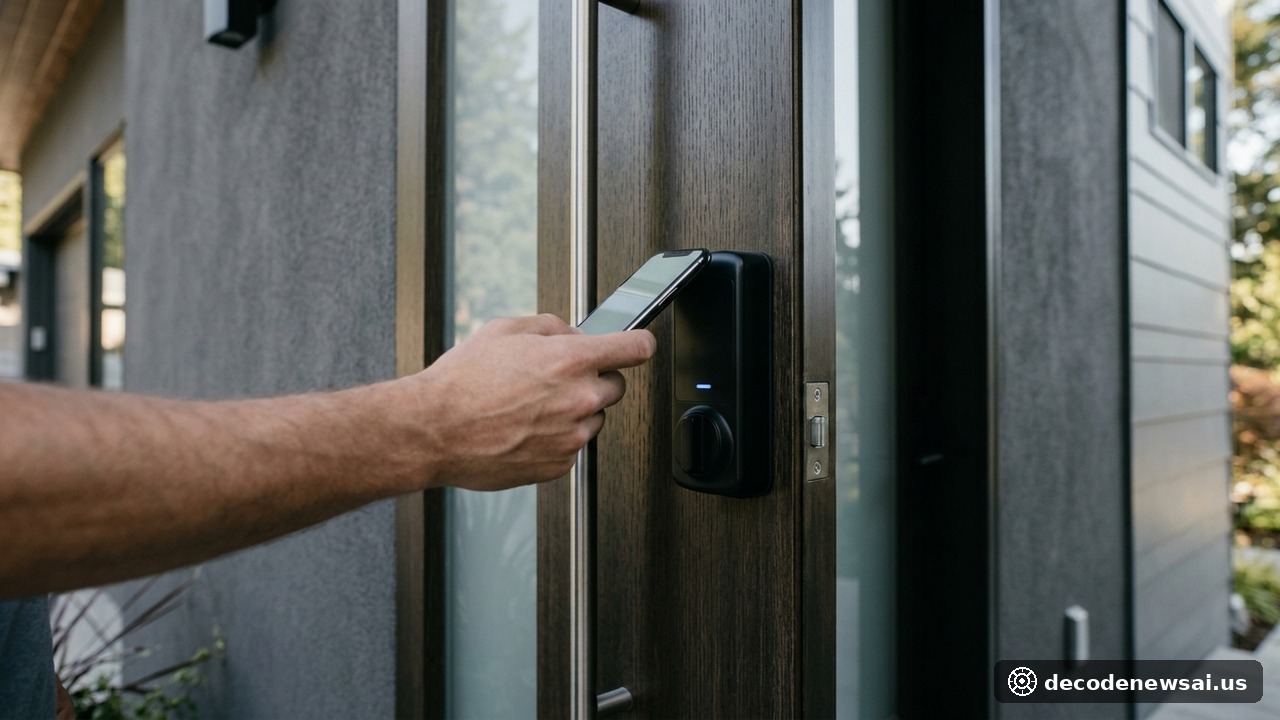
Users can store encrypted digital keys for compatible connected smart door locks directly inside Google Wallet. Utilizing ultra-wideband radio protocols alongside near-field communication, residents can unlock front doors hands-free without opening standalone mobile applications. This capability transforms Android devices into comprehensive digital access keys.
In addition, Google Wallet deployed enhanced digital ticket storage for international airline passengers. The new Traveler QR pass architecture streamlines offline verification for digital boarding documents across international airport checkpoints. The update reduces airport terminal boarding queues.
Play Store AI Suggestion Chips and Family Space Controls
Within Google Play Store version 54.0, Google implemented contextual artificial intelligence recommendation chips within interactive event listings. When browsing single-event LiveOp promotional pages, the storefront renders contextual summary chips outlining seasonal gameplay rewards and limited-time events.
The operating system Settings menu introduced a dedicated Family Space dashboard. The unified portal simplifies parental supervision, allowing guardians to set application time quotas and review digital purchase requests across linked family group accounts. Account governance is now centrally managed.
Mobile software analysts noted that Google is systematically weaving machine intelligence and connected home standards into its core mobile stack. The November updates maintain feature parity with competing mobile operating ecosystems. Software developers can access updated API documentation to implement digital key provisioning.
Software architecture specialists noted that unifying smart home credential management within Android's system-level framework accelerates consumer adoption of interoperable home automation hardware. By implementing standardized cryptographic key handshakes across Matter and Aliro devices, Google simplifies the multi-vendor smart home experience while upholding robust device-level security. Furthermore, integrating dynamic machine learning recommendation components directly into Google Play's storefront surfaces timely, personalized gaming features without overwhelming mobile device performance. Developer communities continue benchmarking updated API toolkits as mobile operating platforms prepare for comprehensive connected hardware rollouts throughout the upcoming year. Software engineers expect widespread adoption of Matter digital keys as connected smart hardware ecosystems expand across major residential and commercial properties globally. Digital application developers look forward to leveraging these system-level features to build more engaging, interconnected software experiences across the Android ecosystem. These infrastructure advancements ensure that Android remains at the forefront of connected digital convenience and user privacy.