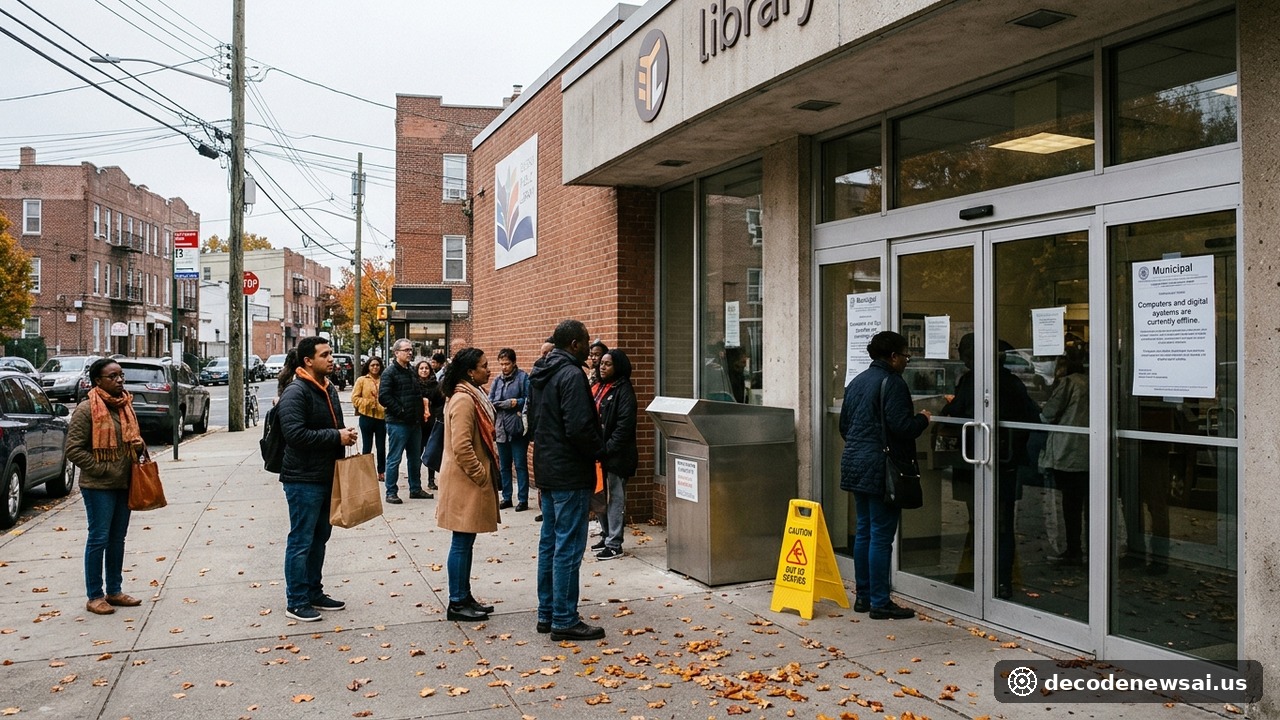
TOKYO - A sophisticated ransomware attack struck a flagship sovereign cloud data center in Japan, prompting extensive containment procedures across domestic enterprise networks. IDC Frontier, a specialized cloud infrastructure subsidiary of SoftBank Corp., issued an incident status report on Monday, November 9, detailing operational disruptions affecting its East Japan Region 1 campus located in Shirakawa, Fukushima Prefecture. The facility was forced into physical network isolation after intrusion detection systems identified unauthorized administrator-level privilege escalation.
enterprises and government bodies hit by hypervisor breach
Corporate investigation telemetry confirmed that unauthorized actors exploited a previously undisclosed vulnerability embedded within an open-source customer authentication portal. The intrusion enabled attackers to bypass perimeter firewalls and access internal hypervisor layers governing shared computing domains. A total of 495 corporate enterprises and municipal government bodies holding infrastructure contracts within the affected cluster experienced service suspensions while forensic engineers conducted forensic evaluations.
The Chief Technical Representative of IDC Frontier stated during an official agency briefing in Tokyo: "Our response teams moved decisively to sever external network interfaces once abnormal encryption activities were verified. We are conducting node-by-node integrity validations across all affected virtualization hosts to safeguard client data privacy." Cybersecurity incident response teams from parent entity SoftBank deployed to the Fukushima facility to oversee recovery logistics.
The security incident has triggered intense scrutiny from Japan's Digital Agency and the Ministry of Internal Affairs and Communications regarding concentration risks in public-sector cloud procurement. Over the past decade, Shirakawa emerged as a premier computational cluster outside Tokyo due to favorable thermal profiles, reliable grid capacity, and seismic safety buffers. Regulatory officials emphasized that excessive consolidation of municipal administrative databases within single computing campuses introduces systemic single-point vulnerability during targeted ransomware campaigns.
Japan's 100 billion yen AI push and ransomware pressure
The disruption occurs alongside Japan's multi-billion-dollar push to establish sovereign artificial intelligence computing infrastructure. The Ministry of Economy, Trade and Industry previously approved over 100 billion yen in strategic subsidies to build diversified, domestically engineered AI computing nodes powered by advanced GPU clusters. Major domestic industrial corporations, including Fujitsu and KDDI, are accelerating geographically distributed data centers to insulate sovereign workloads from localized infrastructure outages.
Cybersecurity researchers observed that commercial ransomware syndicates increasingly target critical municipal and enterprise hosting platforms to maximize operational pressure. Enterprise security architects emphasized that maintaining immutable offline backups and multi-region failover protocols remains fundamental to ensuring continuity across mission-critical digital infrastructure.
Enterprise cloud infrastructure researchers observed that the Shirakawa data center intrusion underscores the urgent necessity of zero-trust architecture across sovereign hosting environments. Japanese telecommunication providers and government regulators are revising operational resilience standards, requiring secondary air-gapped data repositories located outside central computing hubs. Forensic security engineers confirmed that implementing hardware-level root-of-trust validation prevents hypervisor compromise even when perimeter portals encounter zero-day exploits. Digital transformation leaders affirmed that maintaining robust domestic cloud computing capabilities remains vital for Japan's broader economic security and technological autonomy. Collaborative incident response frameworks between commercial operators and national cybersecurity authorities will ensure rapid containment and transparent client notifications during future infrastructure disruptions.
Sovereign cloud resilience and air-gapped data protocols
Sovereign data governance specialists observed that robust domestic computing networks are fundamental to securing sensitive public-sector communications. Information security directors across Tokyo affirmed that comprehensive code auditing and air-gapped data retention protocols insulate municipal platforms from international cyber threats. Regional technological alliances emphasized that diversified hardware infrastructure supports sustainable sovereign cloud development across Asian economies. High-performance computing engineers emphasized that establishing geographically distributed sovereign cloud infrastructure mitigates concentration risks across municipal networks. Rigorous cybersecurity compliance standards ensure that essential digital government operations remain resilient against sophisticated international cyber intrusions. Public sector technology directors affirmed that resilient sovereign computing platforms protect national digital autonomy and ensure continuous public service delivery.