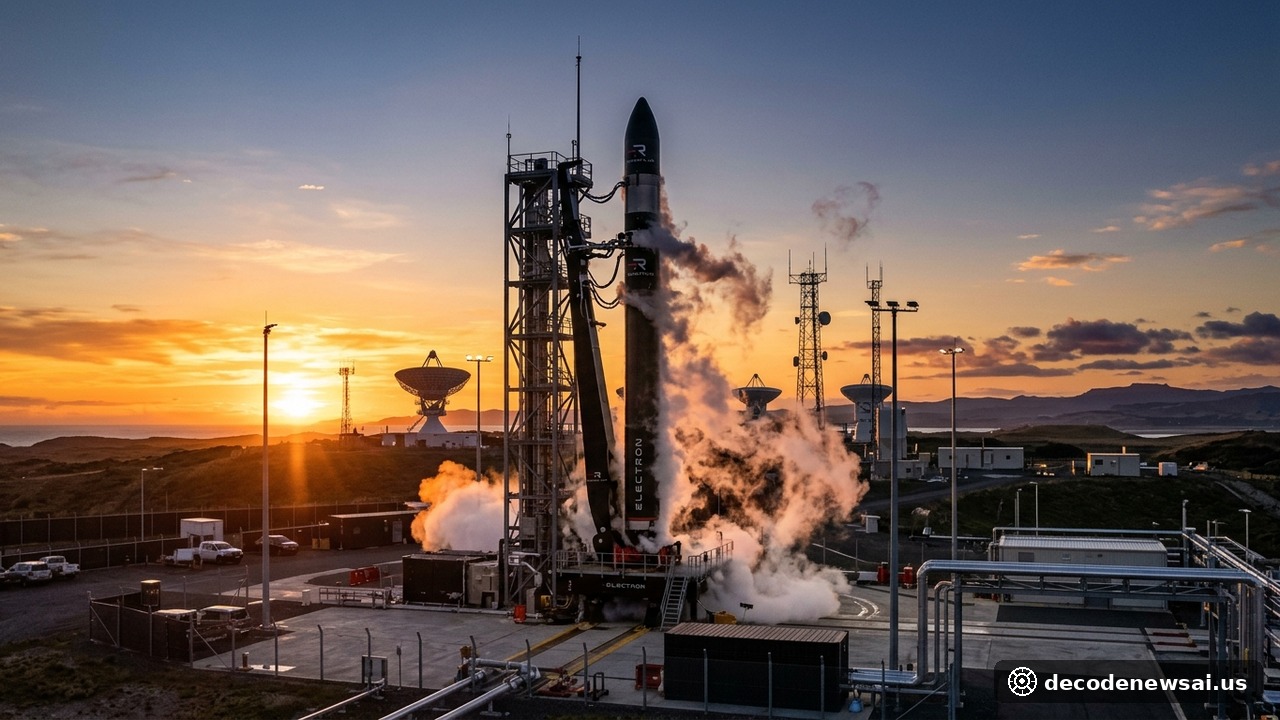
LONG BEACH, Calif. - Commercial aerospace manufacturer and launch services provider Rocket Lab USA Inc. reported record financial results for the third quarter of 2026 on Monday, November 9, delivering quarterly net revenue of $268 million. Supported by rapid launch cadences for the Electron orbital launch vehicle alongside strong expansion across satellite components manufacturing, quarterly revenue expanded 55% year-over-year. Financial markets closely evaluated the aerospace firm's performance metrics following the earnings call.
Launch backlog reaches 117 missions and $3.6 billion
Detailed financial filings submitted to the Securities and Exchange Commission highlighted balanced operational expansion. Launch services contributed $78 million in net revenue across multiple commercial orbital delivery missions. Space Systems operations, which designs and manufactures customized satellite buses and flight software components, generated $190 million, establishing itself as the company's largest business division.
The aerospace contractor expanded its commercial launch order pipeline to historic levels during the third quarter. Rocket Lab secured approximately $1 billion in new commercial launch agreements across Electron, HASTE, and the medium-lift Neutron vehicle, expanding the total launch backlog to $3.6 billion. The commercial pipeline encompasses 117 scheduled orbital and suborbital launches, providing clear operational visibility across multi-year flight manifests.
Peter Beck, Chief Executive Officer of Rocket Lab, addressed institutional investors during an evening conference call on Monday: "Q3 2026 was a defining quarter for Rocket Lab, as we delivered record revenue of $268 million and expanded our total launch backlog to 117 launches, establishing a new operational benchmark."
Neutron maiden flight set for first half of 2027
Progress across the medium-lift, reusable Neutron launch vehicle remained central to investor discussions. Management confirmed that the proprietary Archimedes rocket engine completed hot-fire qualification tests at Stennis Space Center. Structural airframe assemblies arrived at Launch Complex 3 in Wallops Island, Virginia, for integrated vehicle testing. To ensure comprehensive launch pad testing, Rocket Lab scheduled the maiden test flight of Neutron for the first half of 2027.
Rocket Lab reported a GAAP net loss of $38 million for the third quarter, representing a measurable narrowing from the prior-year period. Balance sheet liquidity stood at $580 million in cash, cash equivalents, and marketable securities, providing financial stability through initial Neutron commercial service entries. Rocket Lab projected fourth-quarter revenue between $280 million and $300 million.
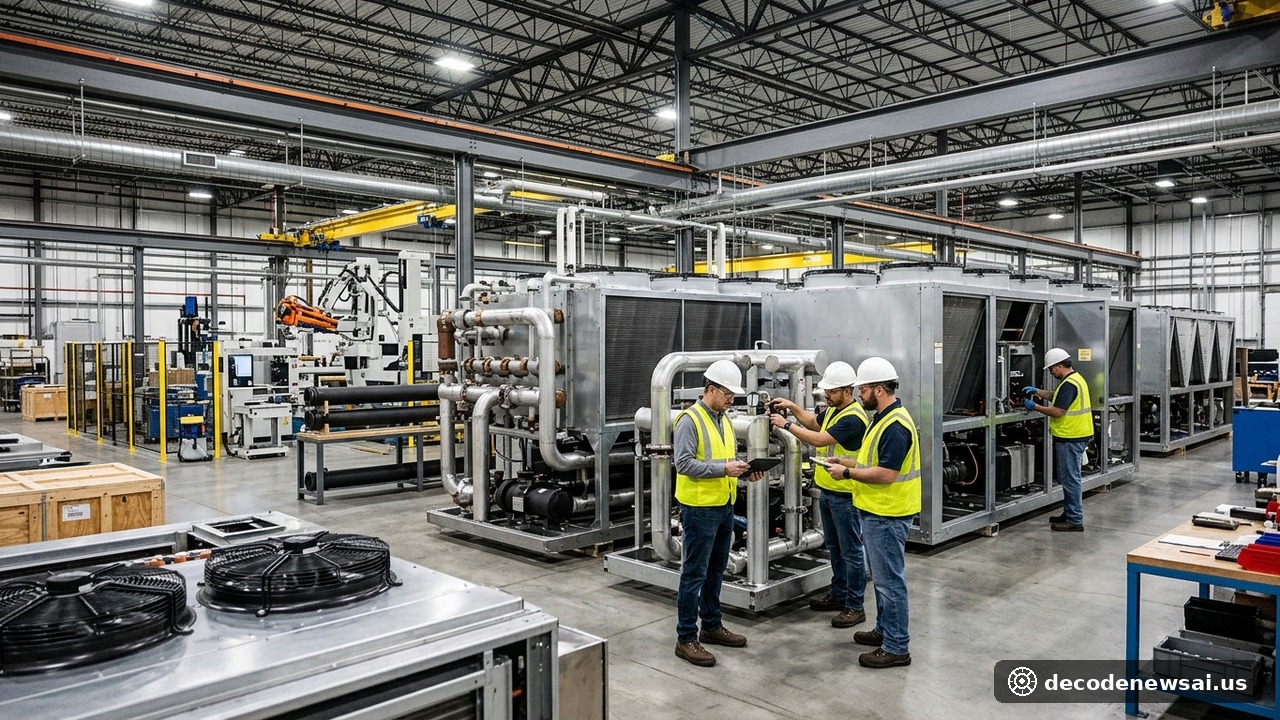
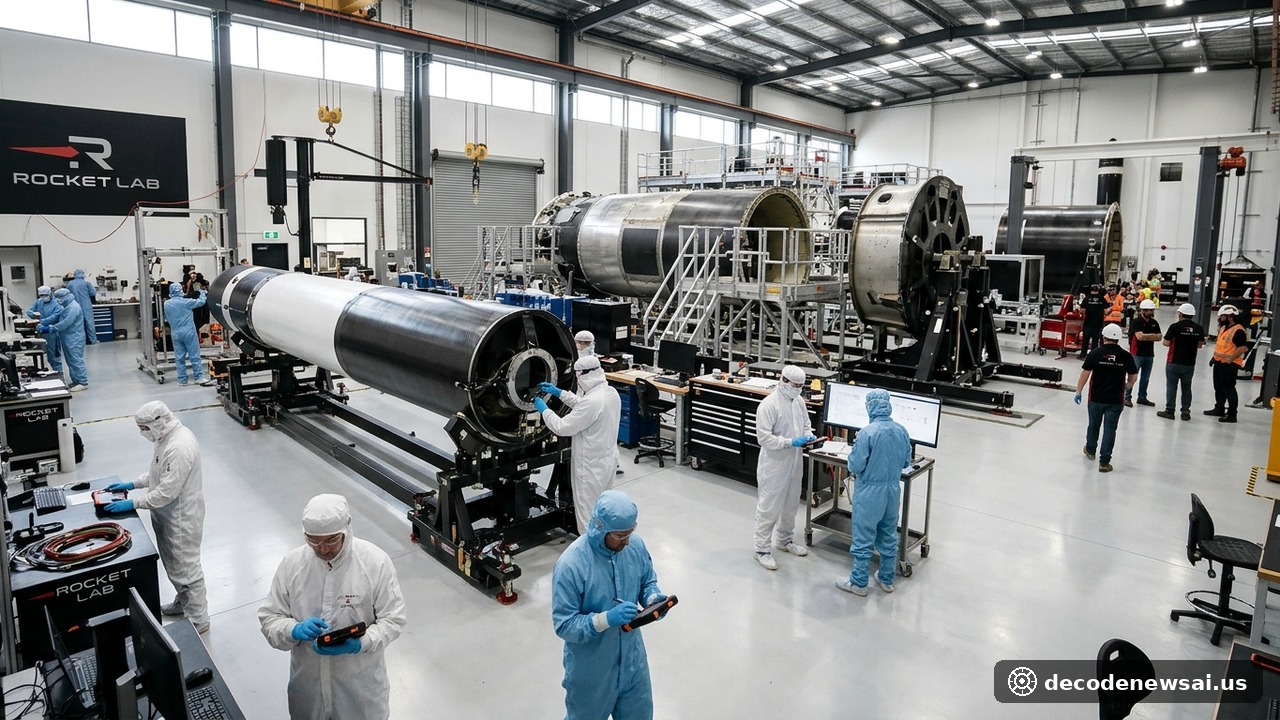
The operational momentum across Rocket Lab's Space Systems and launch divisions highlights the growing commercial demand for dedicated orbital deployment solutions. Electron's demonstrated reliability has secured long-term multi-launch contracts with defense agencies and commercial telecommunications operators requiring responsive orbital positioning. Meanwhile, continuous production upgrades across the company's New Zealand and Virginia integration complexes have compressed launch turnaround times to less than two weeks between missions.
Analysts cite $3.6 billion backlog and $580 million liquidity
Aerospace financial analysts observed that Rocket Lab's expanding launch manifest provides exceptional revenue visibility as the medium-lift Neutron launch vehicle nears commercial introduction. The development of reusable rocket architectures and proprietary carbon-composite airframes allows Rocket Lab to challenge traditional launch monopolies while maintaining robust unit economics. With over $580 million in balance sheet liquidity and a record $3.6 billion backlog, Rocket Lab possesses the financial resources to scale manufacturing capacity and execute complex interplanetary spaceflight missions.
Space industry executives and satellite constellation developers highlighted that Rocket Lab's growing launch manifest reflects widespread commercial trust in its reliable orbital delivery capabilities. Continued investments in launch pad infrastructure and automated rocket assembly facilities position the company to meet surging global demand for sovereign satellite deployments and scientific missions. Rocket Lab's expanding launch backlog establishes an enduring operational foundation for commercial space exploration throughout the decade. Mission operations teams confirmed that integrated launch facility upgrades will accommodate multiple vehicle configurations, ensuring responsive orbital launch capabilities for defense and commercial satellite customers worldwide throughout the coming decade.