U.S. District Judge Dena Coggins issued a formal judicial order on Tuesday, November 10, 2026, mandating the immediate release of a 23-year-old University of California, Berkeley student from Immigration and Customs Enforcement custody. The student, Colombian national Paula Valentina Albornoz Hernandez, was arrested by federal immigration agents on October 30 at San Francisco International Airport while preparing to board a commercial domestic flight to Oregon. The judicial ruling granted her emergency habeas corpus petition, fully restoring her legal status to its pre-arrest posture and allowing her to resume academic studies.
Court finds DHS visa claim lacked proof of lapsed status
Court filings revealed that while Department of Homeland Security representatives claimed the student's primary academic visa status had lapsed, defense counsel presented documented proof of a pending affirmative asylum application alongside an active, government-issued employment authorization document.
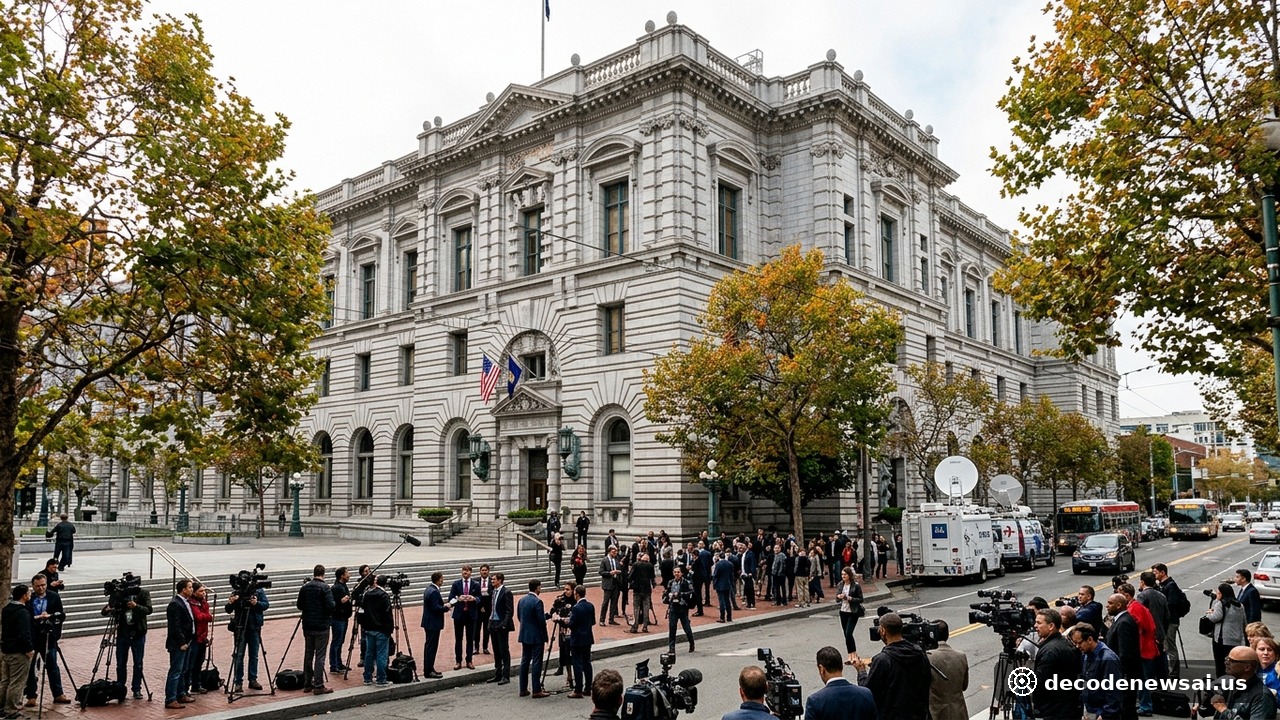
During a press briefing outside the federal courthouse in San Francisco, an attorney representing the student's family addressed reporters regarding the decision. The legal representative stated: "Our client complied diligently with all federal reporting guidelines while pursuing her university degree. Arbitrary terminal arrests disrupt legitimate legal processes, and the court's decisive ruling rightfully restores due process protections."
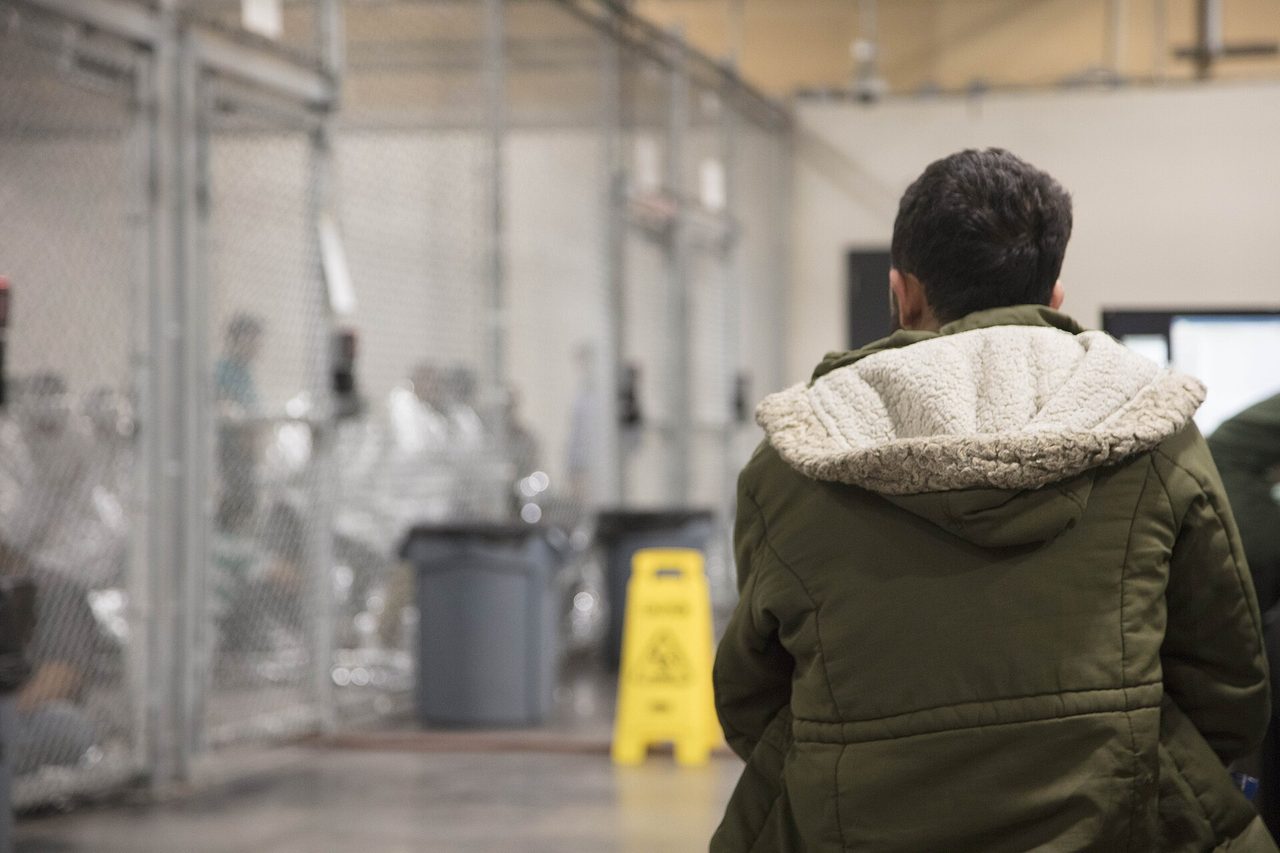
Judge Coggins determined that administrative detention under current conditions at the regional detention facility in Kern County posed unnecessary civil hardship. The federal order directs authorities to process her release without delay, ensuring she can return to classes while immigration authorities adjudicate her underlying claim.
University and legal scholars back court intervention
University administrators, academic faculty associations, and civil liberties organizations throughout Northern California expressed strong support for the court's intervention. Campus legal support teams confirmed that university counselors stand prepared to facilitate her academic reintegration and coordinate necessary scheduling adjustments.
Legal scholars emphasized that the case underscores procedural tensions surrounding expedited immigration enforcement across domestic transportation hubs. The court's ruling establishes clear evidentiary boundaries, affirming that foreign students holding valid employment permits cannot be subjected to summary custodial detentions.
In addition, civil rights litigation fellows noted that clear judicial boundaries prevent arbitrary administrative interference with active educational programs. When regional enforcement bureaus adhere strictly to documented statutory guidelines, international scholars and matriculated students can pursue academic coursework without enduring sudden procedural disruption. Legal scholars commended the district court for prompt intervention, affirming that transparent judicial review preserves fundamental civil protections.
Scholars praise judicial oversight of transit detentions
In addition, constitutional legal scholars and immigration civil rights researchers observed that strict judicial oversight prevents arbitrary administrative detentions across domestic transit facilities. Upholding established statutory rights guarantees that foreign scholars with valid employment authorization can complete degree programs without fear of sudden deportation. Legal defense organizations praised the federal ruling for reinforcing the constitutional guarantee of due process.
Furthermore, university administrative councils and student support federations affirmed that maintaining welcoming academic environments attracts international talent to domestic research institutions. Higher education associations look forward to coordinated regulatory guidance that guarantees transparent immigration compliance across university campuses nationwide.
In conclusion, immigration defense advocates and higher education leaders affirmed that transparent judicial decisions uphold foundational due process protections for matriculated students nationwide. Campus community organizations look forward to supporting international scholars as they pursue their academic coursework safely and productively.
Federations stress judicial review for graduate researchers
Moreover, academic civil liberties federations and regional legal defense organizations underlined that transparent judicial proceedings safeguard international graduate researchers from arbitrary administrative enforcement. Ensuring prompt judicial review allows matriculated foreign students to continue their academic studies and contribute meaningfully to domestic scientific innovation. Legal defense federations and higher education associations look forward to coordinated regulatory frameworks that safeguard international students nationwide. Academic faculty and immigration attorneys affirmed that due process protections foster a safe and welcoming educational environment for scholars nationwide.