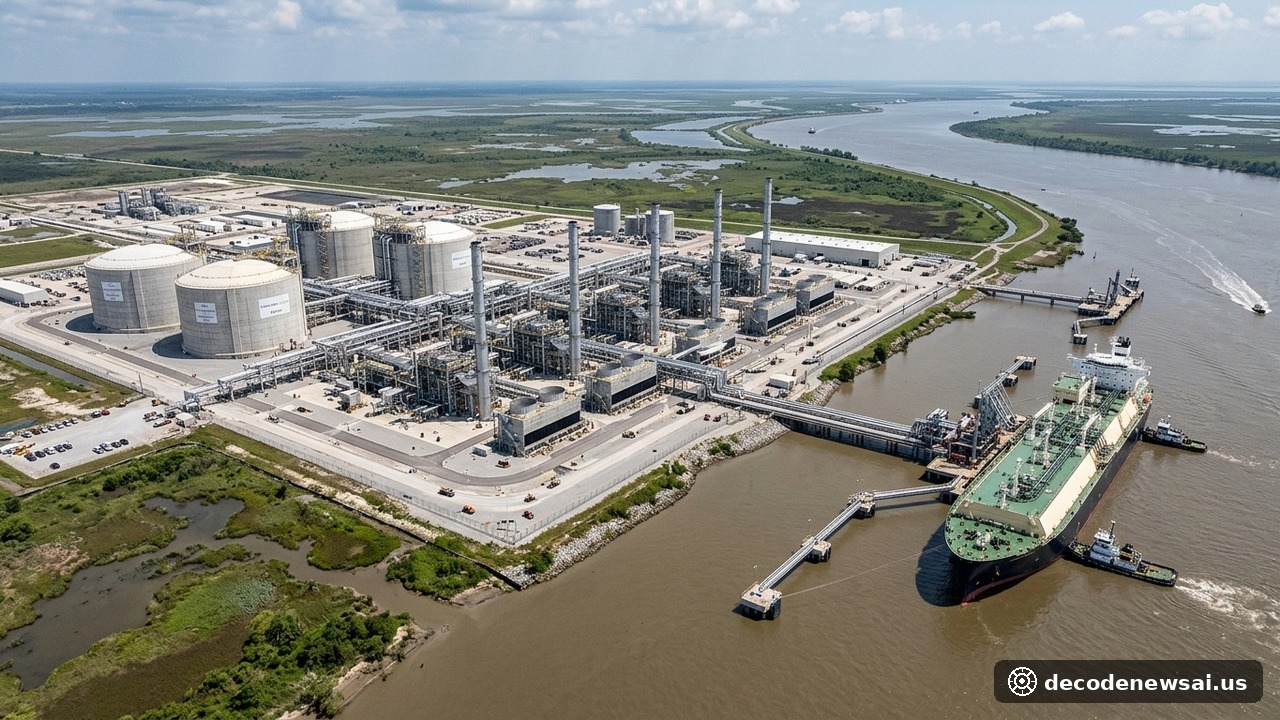
Leading American liquefied natural gas (LNG) producer and infrastructure developer Venture Global, Inc. officially released its financial and operational results for the third quarter ended September 30, 2026, on November 10, delivering record quarterly export volumes across commercial energy contracts. Supported by strong baseline shipments under multi-decade sales and purchase agreements with European and Asian utility customers, quarterly revenues experienced double-digit annualized expansion. Concurrently, executive management confirmed that Phase Two modular liquefaction blocks at the Plaquemines LNG deepwater export terminal in Louisiana reached commercial commissioning.
LNG cargoes loaded as margins rise 210 basis points
Operational metrics detailed in the regulatory disclosure confirmed that Venture Global safely loaded and dispatched 86 international LNG cargoes during the three-month period.
Persistent European power generation demand ahead of peak winter withdrawal schedules sustained commercial cargo intake. Addressing institutional investors during an earnings webcast, Venture Global Chief Executive Officer stated: "Our third-quarter operational performance validates the execution efficiency of our standardized modular manufacturing model. Long-term international energy security requires dependable, cost-advantaged supplies, and our expanding export infrastructure secures multi-decade cash flow visibility while supporting global decarbonization commitments."
Operating margins expanded by 210 basis points year-over-year, supported by reduced unit liquefaction operating expenses and optimized marine logistics scheduling.
Plaquemines Phase Two lifts export capacity past 30 million tons
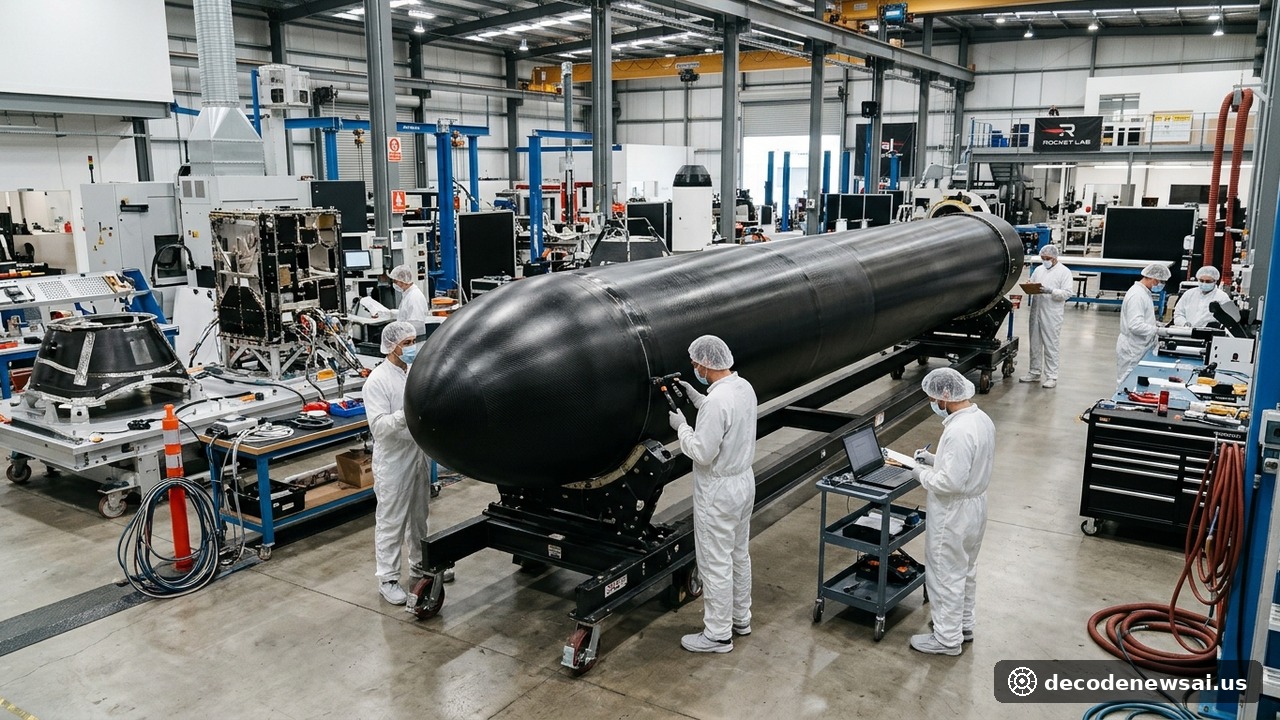
The operational startup of Plaquemines Phase Two expands Venture Global's total export capacity past 30 million metric tons per annum, solidifying the company's rank among the largest private LNG producers globally. Developed as one of the largest private infrastructure investments on the Gulf Coast, the multi-train facility leverages pre-packaged modular liquefaction units engineered offsite to compress capital deployment schedules. The technical approach buffers project timelines against severe coastal weather phenomena.
Energy infrastructure equity analysts commended management's commercial discipline, emphasizing that securing binding long-term off-take contracts shields corporate balance sheets from spot commodity pricing fluctuations. Commercial delegations are finalizing off-take pricing frameworks with Asian utility syndicates for supplemental deliveries beginning in early 2027.
Global energy infrastructure analysts and maritime commodity economists highlighted that expanding modular liquefaction facilities provides crucial commercial flexibility amidst volatile international liquefied natural gas trading dynamics. Because long-term off-take agreements provide predictable cash flow visibility, disciplined capital deployment into deepwater export terminals positions energy producers to meet accelerating baseload demand across European and Asian utility networks. Marine terminal operations specialists observed that standardized pre-fabricated liquefaction trains significantly reduce construction lead times while optimizing capital expenditures per metric ton of export capacity.
Long-term off-take contracts and maritime safety safeguards
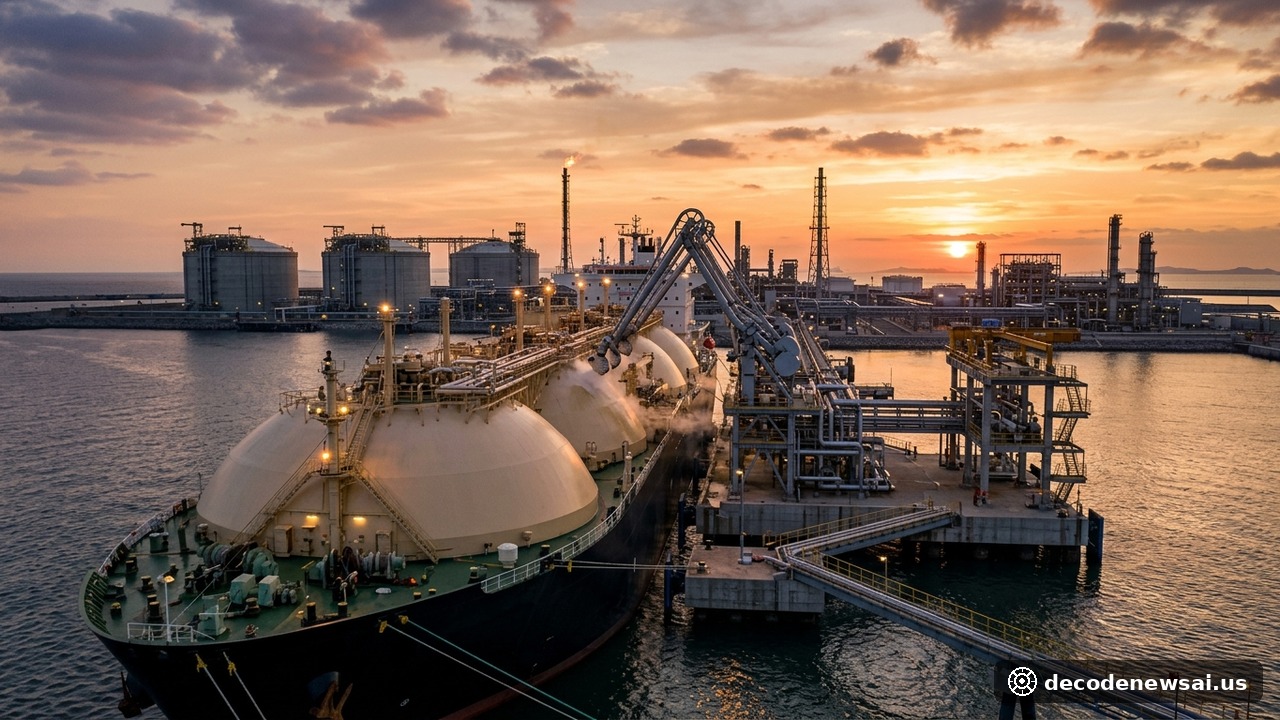
Furthermore, international maritime trade organizations highlighted that modern liquefied natural gas carriers equipped with advanced containment systems ensure safe and efficient transoceanic energy deliveries. Energy sector economists expect expanded export capacity to bolster global supply chain resilience.
In addition, global commodities strategists and maritime transportation economists emphasized that expanding modular liquefaction infrastructure provides crucial operational flexibility amidst dynamic international supply and demand cycles. By securing long-term binding off-take contracts with creditworthy global utilities, commercial energy developers maintain robust revenue visibility and support steady project financing. Furthermore, deepwater export terminals along the Gulf Coast reinforce international energy security by delivering reliable liquefied natural gas to industrial consumers and power generators across Europe and the Asia-Pacific region. Trade associations anticipate sustained operational success.
Furthermore, international maritime safety organizations confirmed that rigorous cryogenic loading inspections and modernized containment barriers safeguard coastal waterways from operational hazards. Environmental monitoring groups noted that modern liquefaction terminals achieve significantly lower greenhouse gas emissions intensity compared to legacy energy production infrastructure. Energy trade representatives anticipate sustained commercial export activity supporting regional employment and domestic energy supply chains.
Analysts note strategic investment in domestic gas export capacity
In conclusion, international energy analysts noted that strategic investment in domestic natural gas export capacity fosters enduring economic stability. Market participants anticipate sustained global trade partnerships and responsible resource development across international maritime corridors.