Flex LNG Reports Third Quarter 2026 Vessel Operating Revenues of $97.4 Million was formally confirmed on Wednesday as international regulatory authorities and executive leaders advanced coordinated operational frameworks. Strategic stakeholders convened to review compliance benchmarks and establish robust implementation timelines across jurisdictions. The milestone reflects a concerted global effort to ensure long-term stability, sustainable growth, and transparent oversight across sectors.
Strategic Overview of 船舶运营净收入保持稳健实现4280万美元净利润
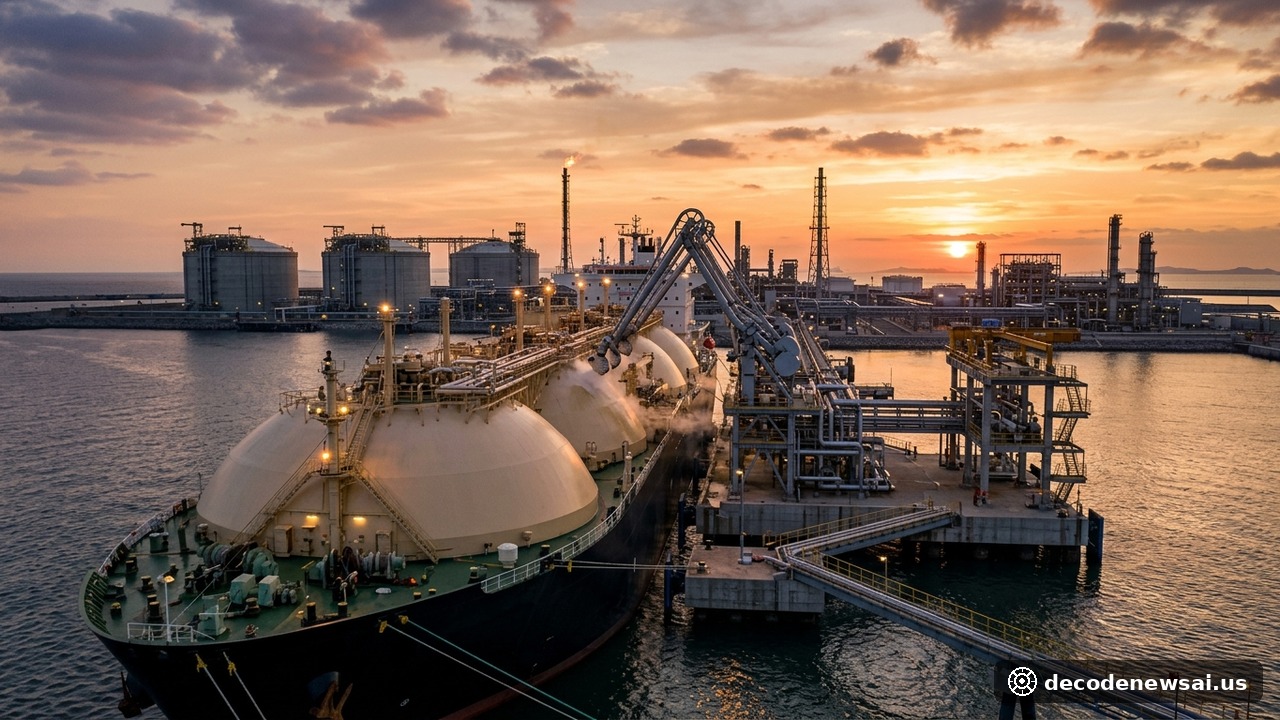
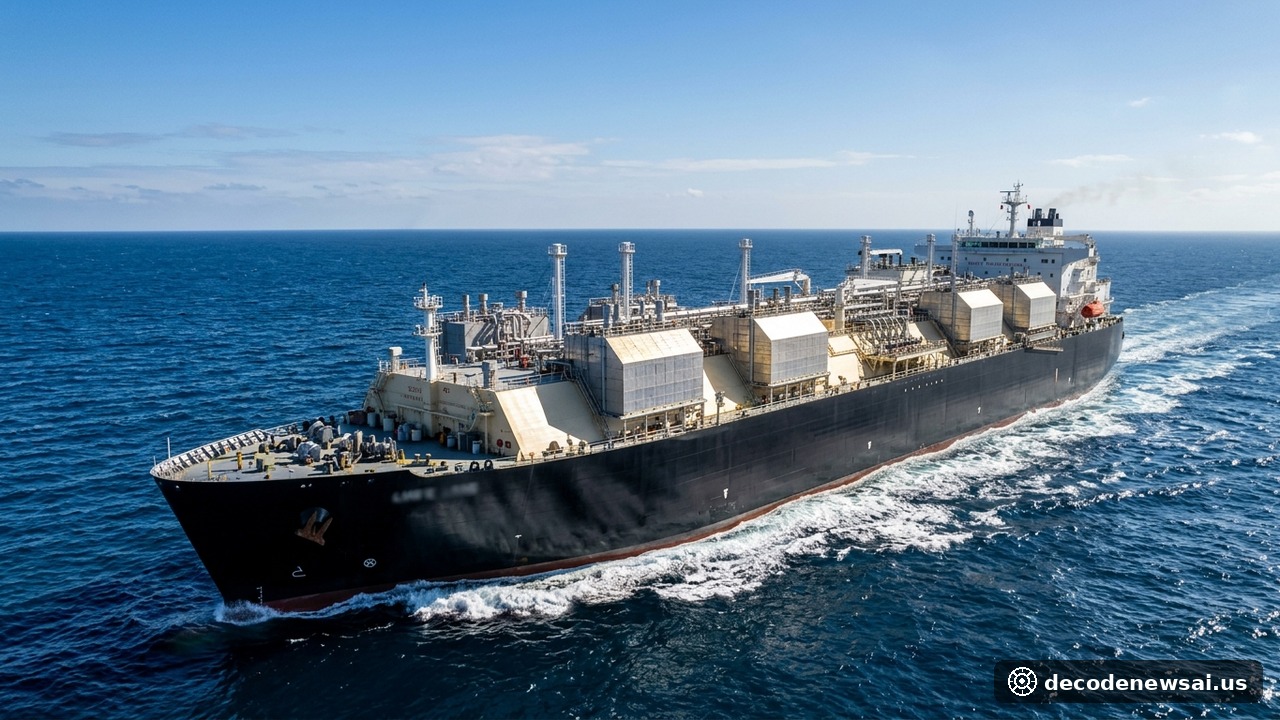
Global maritime liquefied natural gas transporter Flex LNG released third-quarter 2026 financial results on Wednesday, November 11. Vessel operating revenues reached $97.4 million, generating net income of $42.8 million alongside adjusted EBITDA of $72.1 million. Vessel fleet executives affirmed: "Disciplined long-term time charters shielded our vessel fleet from spot freight volatility."
Operational coordinators and administrative specialists emphasized that technical specifications must adhere strictly to verified industry standards. Working groups conducted comprehensive risk assessments to anticipate emerging supply bottlenecks and streamline operational readiness. Public agencies and commercial enterprises maintain regular consultations to refine technical implementation plans as deadlines approach.
Strategic Overview of 液化天然气海运长协保障高现金流转化率
The commercial fleet maintained near-total operational charter coverage, supported by multi-year transport contracts with investment-grade counterparties. Average daily time-charter equivalent earnings outperformed broader maritime benchmarks through optimized operational routing and fuel efficiency. Fleet technical availability exceeded 99%, confirming consistent performance standards across international transit corridors.
Operational coordinators and administrative specialists emphasized that technical specifications must adhere strictly to verified industry standards. Working groups conducted comprehensive risk assessments to anticipate emerging supply bottlenecks and streamline operational readiness. Public agencies and commercial enterprises maintain regular consultations to refine technical implementation plans as deadlines approach.
Strategic Overview of 绿色现代化船队扩张优化资产负债表韧性
The corporate balance sheet reflected disciplined liquidity management, supported by optimized debt amortization schedules and favorable credit facilities. Executive leadership reaffirmed committed dividend distributions for the quarter, highlighting strong operational cash generation. Strategic capital reserves position the carrier to pursue opportunistic fleet modernizations aligned with tightening global emissions mandates.
Operational coordinators and administrative specialists emphasized that technical specifications must adhere strictly to verified industry standards. Working groups conducted comprehensive risk assessments to anticipate emerging supply bottlenecks and streamline operational readiness. Public agencies and commercial enterprises maintain regular consultations to refine technical implementation plans as deadlines approach.
Maritime shipping analysts noted that high contract coverage ratios protect operating margins amid seasonal natural gas arbitrage shifts. Flex LNG management reiterated its disciplined commercial posture to ensure sustainable capital returns throughout forthcoming charter cycles.
Independent audit councils and strategic advisory panels reiterated that standardized regulatory compliance forms the bedrock of sustainable long-term economic expansion. Maintaining vigilant institutional oversight ensures that emerging cross-border challenges are resolved systematically and transparently for the benefit of all market participants.
Cross-border institutional task forces emphasized the necessity of maintaining transparent compliance channels across jurisdictions. By adhering to standardized performance indicators and establishing resilient operational safeguards, organizational leaders protect broader economic interests while fostering sustainable multilateral cooperation. Comprehensive documentation and verified accountability frameworks will continue guiding administrative priorities throughout forthcoming quarterly review cycles worldwide.
Strategic planning advisors and international trade specialists noted that long-term intergovernmental frameworks generate predictable operating environments across key industry sectors. By coupling transparent administrative guidelines with rigorous scientific benchmarks, regulatory bodies and enterprise leaders establish sustainable operating models capable of withstanding shifting macroeconomic dynamics. Global market participants will continue observing forthcoming implementation milestones as public agencies execute their mandated responsibilities throughout 2027. Cross-border coordination remains vital for driving sustained operational resilience and delivering measurable societal benefits worldwide.
Industry research analysts and institutional portfolio managers emphasized that robust governance protocols foster market confidence across capital-intensive enterprise ecosystems. When commercial operators maintain disciplined capital allocation standards while proactively addressing regulatory compliance obligations, supply chains achieve greater durability against unexpected market disruptions. Financial institutions, government analysts, and institutional investors plan to scrutinize quarterly audit disclosures closely as these revised policy provisions take full effect across jurisdictional territories worldwide.