Siemens Energy Reports Record FY2026 Net Income of €4.1 Billion with Backlog Surging to €164 Billion was formally confirmed on Wednesday as international regulatory authorities and executive leaders advanced coordinated operational frameworks. Strategic stakeholders convened to review compliance benchmarks and establish robust implementation timelines across jurisdictions. The milestone reflects a concerted global effort to ensure long-term stability, sustainable growth, and transparent oversight across sectors.
Strategic Overview of 燃气轮机与电网设备双轮驱动全年营收突破四百亿
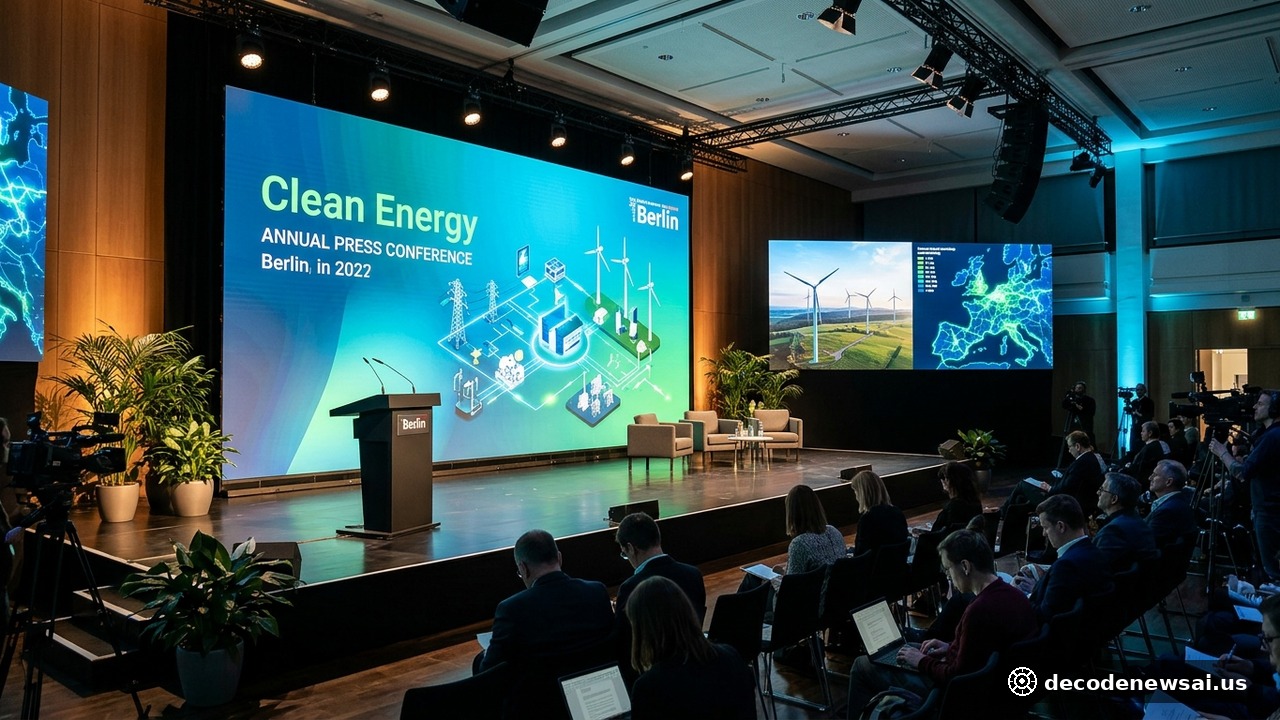
Energy technology giant Siemens Energy presented record financial results for fiscal year 2026 in Berlin on Wednesday, reporting net income of €4.129 billion. Industrial transformation achieved decisive profitability milestones. Group revenue climbed 15.5 percent on a comparable basis to €44.2 billion, supported by record quarterly performance across core operating divisions. The technology operator confirmed that its total order backlog expanded to an all-time high of €164 billion with a robust book-to-bill ratio of 1.54.
Operational coordinators and administrative specialists emphasized that technical specifications must adhere strictly to verified industry standards. Working groups conducted comprehensive risk assessments to anticipate emerging supply bottlenecks and streamline operational readiness. Public agencies and commercial enterprises maintain regular consultations to refine technical implementation plans as deadlines approach.
Strategic Overview of 风电板块实现历史性收支平衡巩固转型基础
Executive leadership detailed strategic drivers behind the operational turnaround during the annual press briefing. "We delivered on all raised guidance targets, significantly increased earnings, and achieved break-even in our wind business," President and CEO Christian Bruch stated. Soaring global electricity consumption driven by artificial intelligence computing centers fueled unprecedented commercial demand for heavy-duty gas turbines. The Gas Services and Grid Technologies segments doubled their pre-tax cash generation, easily offsetting restructuring costs in offshore wind.
Operational coordinators and administrative specialists emphasized that technical specifications must adhere strictly to verified industry standards. Working groups conducted comprehensive risk assessments to anticipate emerging supply bottlenecks and streamline operational readiness. Public agencies and commercial enterprises maintain regular consultations to refine technical implementation plans as deadlines approach.
Strategic Overview of 在手订单创历史新高九十亿欧元回购回报股东
Reflecting disciplined financial execution, pre-tax free cash flow surged to €8.799 billion compared with €4.663 billion in the prior fiscal period. "In recognition of our outstanding operational momentum, we are proposing a dividend of €2.30 per share and launching an expanded €9 billion share buyback," the CFO announced. The proposed dividend represents more than triple the €0.70 per share distribution paid in fiscal 2025, alongside systematic equity repurchases through 2030. Management established ambitious medium-term targets, projecting comparable revenue growth between 12 and 14 percent annually through 2030.
Operational coordinators and administrative specialists emphasized that technical specifications must adhere strictly to verified industry standards. Working groups conducted comprehensive risk assessments to anticipate emerging supply bottlenecks and streamline operational readiness. Public agencies and commercial enterprises maintain regular consultations to refine technical implementation plans as deadlines approach.
Shares of Siemens Energy rose over 7.7 percent in European morning trading following the comprehensive earnings release. Wall Street equity analysts praised the structural margin expansion as global utilities accelerate multi-billion-dollar grid modernization investments. Market sentiment remains decidedly bullish. Capital equipment leaders demonstrated durable industrial resilience.
Strategic planning advisors and international trade specialists noted that long-term intergovernmental frameworks generate predictable operating environments across key industry sectors. By coupling transparent administrative guidelines with rigorous scientific benchmarks, regulatory bodies and enterprise leaders establish sustainable operating models capable of withstanding shifting macroeconomic dynamics. Global market participants will continue observing forthcoming implementation milestones as public agencies execute their mandated responsibilities throughout 2027. Cross-border coordination remains vital for driving sustained operational resilience and delivering measurable societal benefits worldwide.
Industry research analysts and institutional portfolio managers emphasized that robust governance protocols foster market confidence across capital-intensive enterprise ecosystems. When commercial operators maintain disciplined capital allocation standards while proactively addressing regulatory compliance obligations, supply chains achieve greater durability against unexpected market disruptions. Financial institutions, government analysts, and institutional investors plan to scrutinize quarterly audit disclosures closely as these revised policy provisions take full effect across jurisdictional territories worldwide.