Mars, Incorporated announced a $1.4 billion capital investment on November 10, 2026. The plan runs through fiscal year 2027. It covers United States manufacturing and operations. The expansion prioritizes automated snacking and pet nutrition facilities.
Mars Plans $1.4 Billion in Domestic Manufacturing Spending
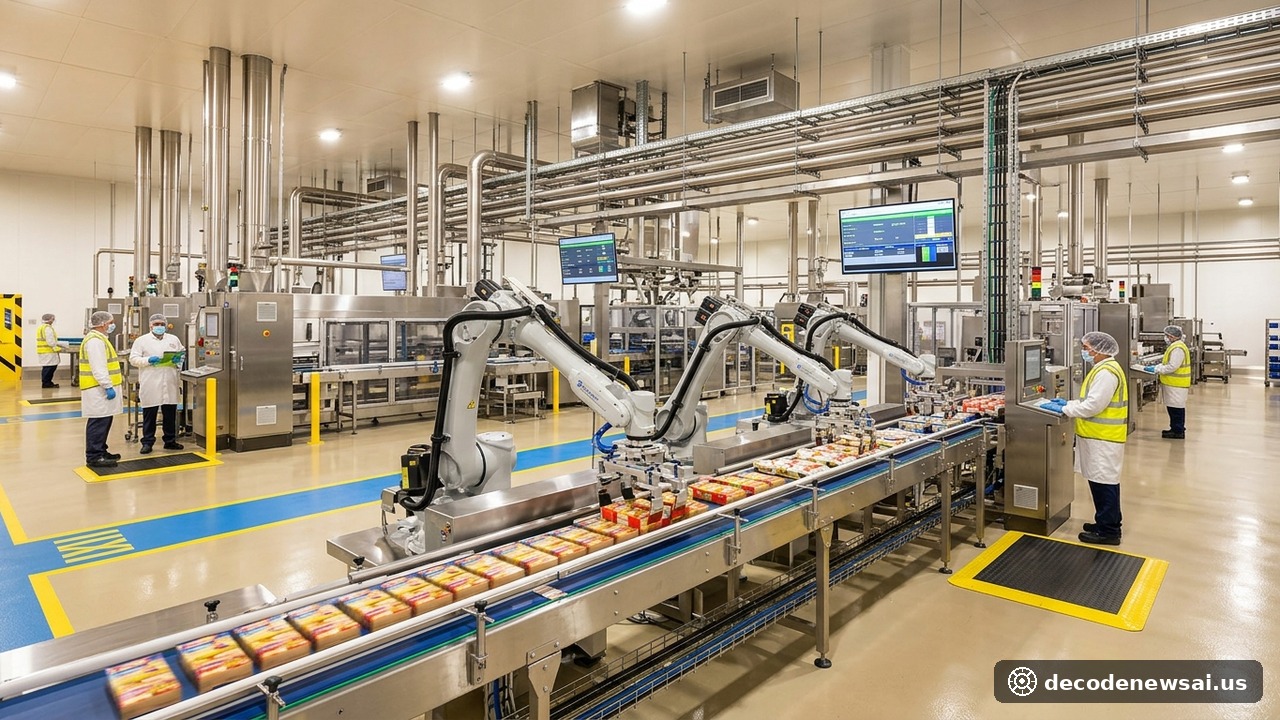
The $1.4 billion domestic commitment is one of Mars's largest multi-facility capital programs in North America in the past decade. The plan targets core facilities in Illinois, Georgia, and Ohio. Capital expenditures will add automated digital blending systems and high-speed energy-efficient packaging lines. Brands affected include Snickers, M&M's, and Skittles.
Advanced robotic automation will cut baseline energy consumption by twenty percent per unit. The chief executive officer spoke at the press conference. "Physical domestic manufacturing anchors economic vitality," the chief executive officer stated. "Committing $1.4 billion reinforces our long-term confidence in North American consumer markets while equipping our workforce with cutting-edge digital production tools to scale sustainably."
Upgraded facility workflows will shorten manufacturing lead times and inventory turnover cycles. Enhanced robotics deployment insulates operational supply chains from volatile labor constraints.
Mars Invests £161 Million in English Midlands Pet Nutrition Hub
Mars announced a £161 million ($210 million) capital infusion into its regional pet nutrition manufacturing hub in the English Midlands. The investment runs alongside the American expansion. The company calls pet care its primary global growth engine.
The British capital expenditure will expand high-throughput aseptic canning lines. The lines aim to meet surging European and American demand for specialized veterinary dietary formulas. Mars Petcare's veterinary network covers over 3,000 veterinary hospitals across North America. The network is rolling out an integrated clinical health portal to track chronic canine and feline conditions.
Consumer goods equity analysts said prioritizing pet care therapeutics offsets moderating retail confectionary demand. "Investing aggressively into veterinary medicine and science-backed clinical pet nutrition provides an enduring countercyclical hedge against broader consumer spending slowdowns," one analyst said. Recurring veterinary revenues strengthen corporate operating cash flows.
Investment Package Allocates About $200 Million to Energy Efficiency
The investment package allocates approximately $200 million directly to industrial energy efficiency and carbon mitigation across all manufacturing assets. Decarbonization milestones are integrated into executive compensation metrics.
Mars reiterated its target to power 100 percent of its United States manufacturing and distribution sites with verified renewable electricity before the close of 2027. Solar rooftop arrays and battery storage microgrids are being deployed across major logistics depots. The company is scaling regenerative agriculture programs across cocoa, peanut, and dairy supply corridors. The programs aim to rebuild soil organic carbon.
The Director of Sustainable Value Chains at Harvard Business School commented on the scale of the commitment. "Privately held industrial leaders possess the distinct strategic advantage of deploying patient capital across generational horizons," the director said. "Combining digital automation with verified ecological stewardship establishes a formidable competitive benchmark for multinational manufacturing." Groundbreaking ceremonies for facility expansions will commence next month.