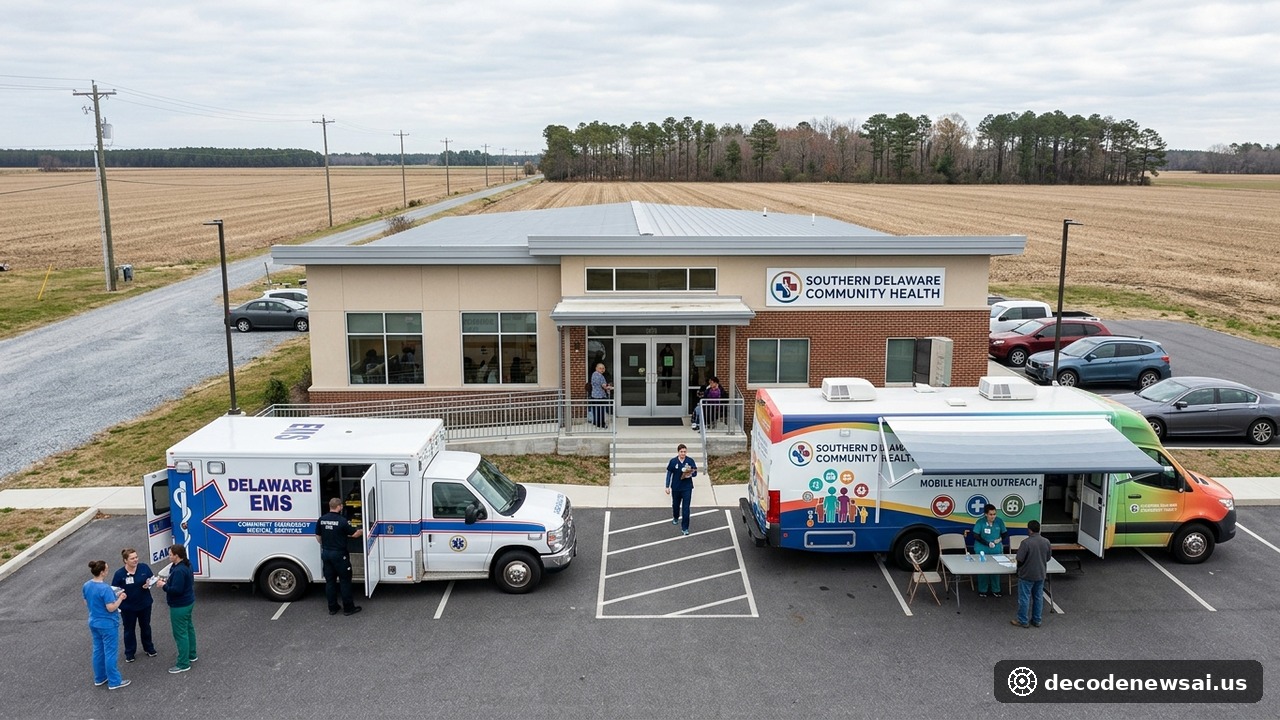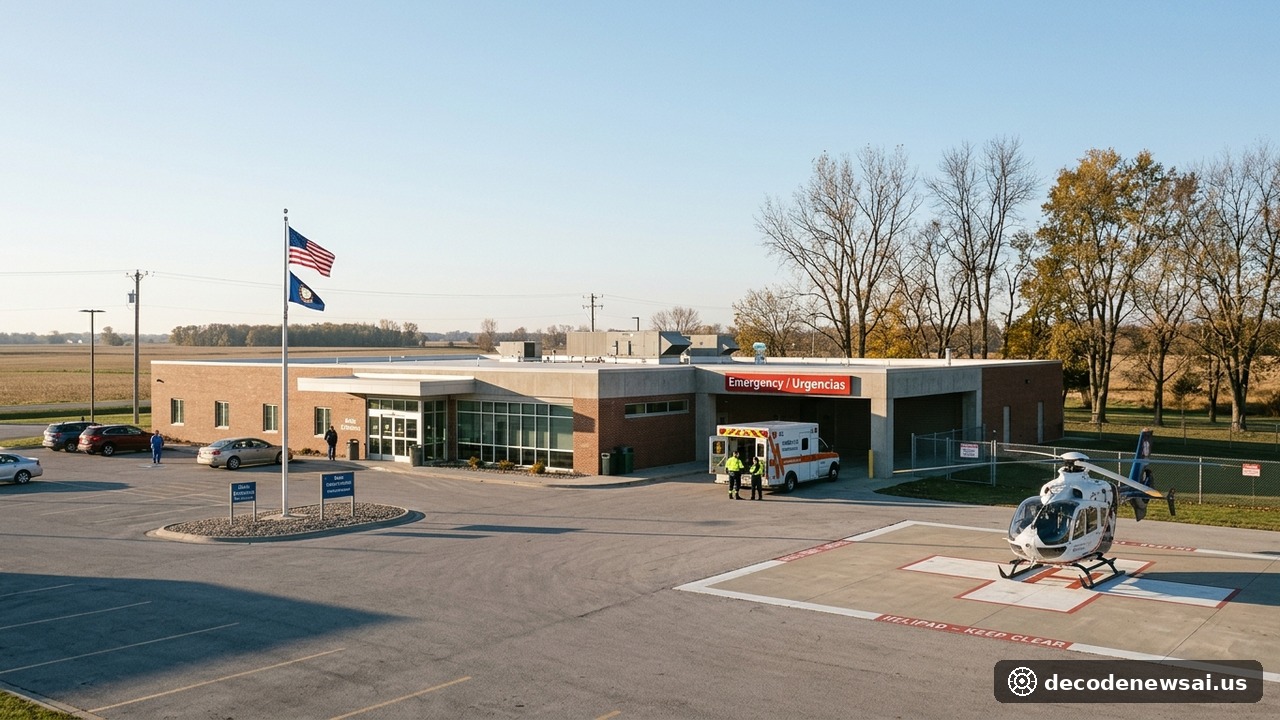
The U.S. Department of Health and Human Services and the Centers for Medicare & Medicaid Services announced on November 9, 2026, the allocation of $10 billion in second-year funding awards under the Rural Health Transformation Program. The statutory capital grants are distributed across healthcare directorates in all 50 states. The multi-year initiative provides dedicated fiscal resources to stabilize community hospitals, retain clinicians, and modernize emergency telehealth networks across rural America. The allocation represents the second annual disbursement under the $50 billion program.
$50 billion program targets rural hospital closures
Rural healthcare infrastructure across the United States has faced chronic clinical headwinds, including low inpatient operating margins and rural hospital closures. Thousands of communities face medical professional shortages, forcing residents to travel significant distances for acute clinical interventions.
Authorized across fiscal years 2026 through 2030, the program commits $10 billion annually to strengthen clinical resilience across underserved regions. Over the five-year authorization window, total statutory federal investments will reach $50 billion. State public health agencies maintain broad administrative discretion to design local clinical interventions matching regional needs.
Second-year appropriations prioritize modernizing emergency triage networks and rural ambulance services. The capital investments allow critical-access hospitals to construct specialized cardiac stabilization rooms and pediatric treatment facilities. Upgraded diagnostic technology substantially reduces mortality rates associated with emergency medical transfers.
HHS briefing details telemedicine and staffing criteria
Federal healthcare regulators detailed deployment criteria during a briefing at agency headquarters in Washington. State allocations require documented expansions in high-speed digital telemedicine networks connecting rural clinics with tertiary trauma centers.
A senior administrative official at the Department of Health and Human Services highlighted the policy significance of the awards during a press conference. The official stated: "This consecutive ten-billion-dollar federal award demonstrates our administration's commitment to rural communities, ensuring that families across every state obtain immediate access to modern medical care."
Grants also fund student loan forgiveness programs and professional recruitment stipends for nurse practitioners and family physicians accepting multi-year rural assignments. State medical boards are launching coordinated recruitment drives to fill rural clinical vacancies.
Maryland gets $10 million for rural nutrition
State health departments are finalizing project implementation milestones to receive federal drawdowns. The Maryland Department of Health announced an allocation of approximately $10 million to launch targeted nutritional healthcare programs across rural counties.
Federal oversight boards established strict compliance audits to verify program performance. Recipient health authorities must submit quarterly progress telemetry to federal databases documenting clinic operating hours and clinical patient volumes. Misallocated funds remain subject to statutory recovery actions.
Health policy economists noted that the federal transformation grants offer critical financial insulation for safety-net rural hospitals facing severe cost inflation. Modernized primary-care clinics enhance regional medical capabilities as winter respiratory virus seasons arrive.
Economists back multi-year rural healthcare funding
Public health economists and clinical infrastructure specialists highlighted that sustaining multi-year federal funding is indispensable for stabilizing healthcare delivery across rural jurisdictions facing chronic fiscal strains. Because critical-access hospitals operate with narrow operating reserves, targeted federal grants allow regional health authorities to upgrade diagnostic imaging suites and recruit emergency physicians without incurring unsustainable municipal debt obligations. State healthcare associations welcomed the second-year grant awards, noting that expanding broadband-enabled telehealth networks substantially improves patient outcomes for rural residents requiring specialist consultations. The Department of Health and Human Services confirmed that federal technical assistance teams will collaborate directly with rural providers to maximize clinical grant utilization.
Furthermore, regional clinical directors and rural healthcare administrators noted that upgrading mobile diagnostic technologies allows remote practitioners to deliver immediate emergency cardiac care. The Department of Health and Human Services will maintain regular oversight reviews to ensure transparent capital distribution across all beneficiary clinics.
Moreover, national healthcare economists and medical policy researchers observed that sustained federal grant programs deliver vital fiscal stability for regional health systems navigating operational cost increases. Beneficiary clinics will leverage federal capital investments to expand accessible clinical services across vulnerable local populations.