International regulatory authorities and executive leaders advanced coordinated operational frameworks. They set implementation timelines across jurisdictions.
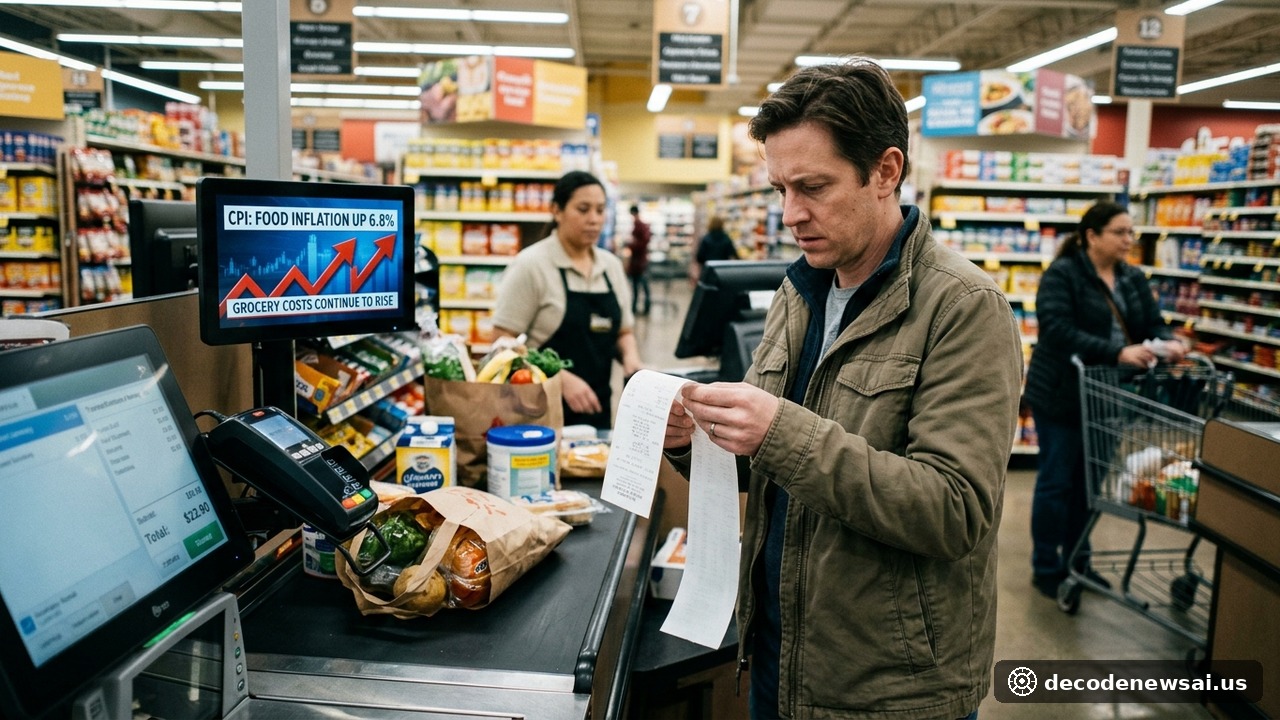
The U.S. Consumer Price Index increased a seasonally adjusted 0.4% in October. It outpaced consensus forecasts compiled by Dow Jones. Core CPI rose 0.3% month-over-month, according to the Bureau of Labor Statistics. Core CPI strips out volatile food and energy components.
Working groups conducted comprehensive risk assessments. They aimed to anticipate emerging supply bottlenecks and streamline operational readiness.
They refine technical implementation plans as deadlines approach.
Energy costs advanced 0.7% sequentially. The gasoline index jumped 1.0%. Broader food categories rose 0.5%. Shelter expenses increased 0.3% for the month.
Shelter accounted for more than 30% of the total headline gain across consumer goods. Transportation services rose 0.8%. Used car and truck prices fell 1.2%. That provided modest disinflationary relief.
Working groups conducted comprehensive risk assessments. They aimed to anticipate emerging supply bottlenecks and streamline operational readiness.
The Bureau of Labor Statistics did not publish an annualized rate. Data collection lapses caused this. The lapses stemmed from the prior federal government shutdown. Fixed income markets reacted swiftly.
Benchmark 10-year Treasury yields advanced. Traders dialed back expectations for immediate rate cuts. Federal Open Market Committee members are scheduled to convene in December. They will determine year-end interest rate targets.
Macroeconomic strategists highlighted that persistent services inflation presents ongoing hurdles to achieving the Fed's 2% target. Financial institutions will monitor upcoming retail sales and wholesale price reports. They seek further evidence on consumer resilience.
Organizational leaders protect broader economic interests. They do so by adhering to standardized performance indicators and establishing resilient operational safeguards. This fosters sustainable multilateral cooperation.
Comprehensive documentation and verified accountability frameworks will continue guiding administrative priorities. These will shape forthcoming quarterly review cycles worldwide.
They do so by coupling transparent administrative guidelines with rigorous scientific benchmarks. These models are capable of withstanding shifting macroeconomic dynamics.
Supply chains achieve greater durability against unexpected market disruptions. Financial institutions, government analysts, and institutional investors plan to scrutinize quarterly audit disclosures closely. They will do so as these revised policy provisions take full effect across jurisdictional territories worldwide.