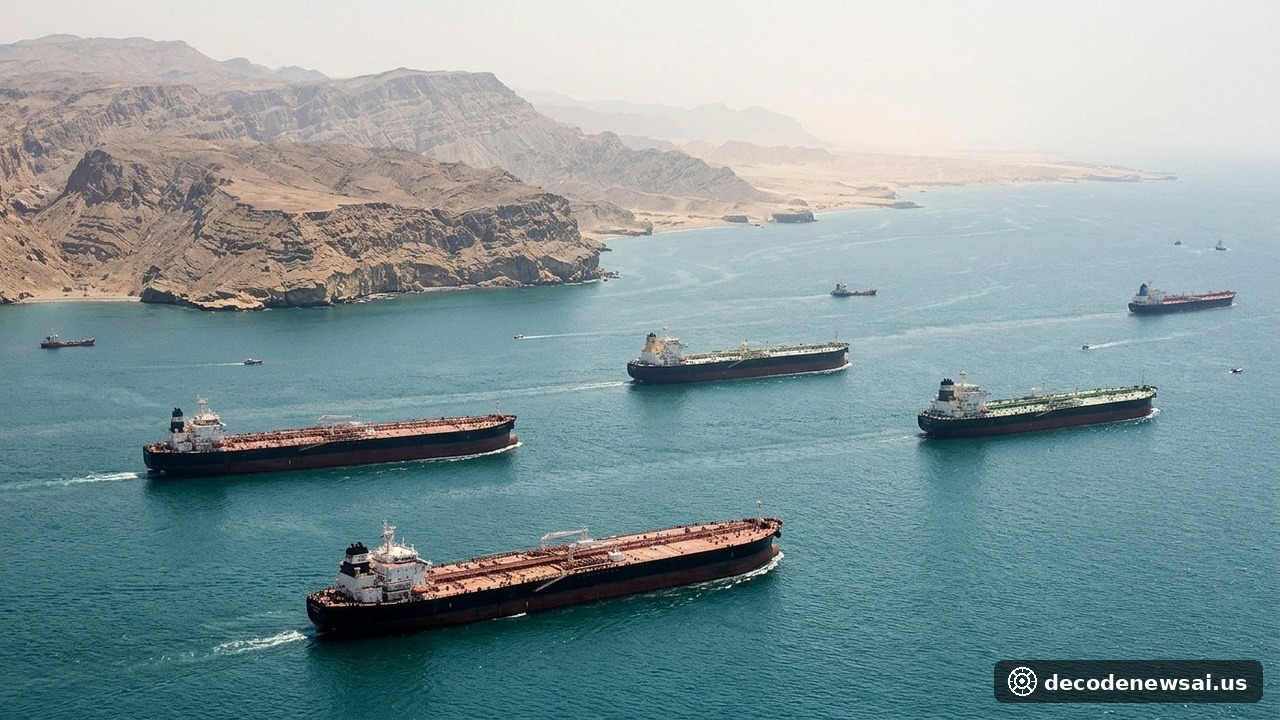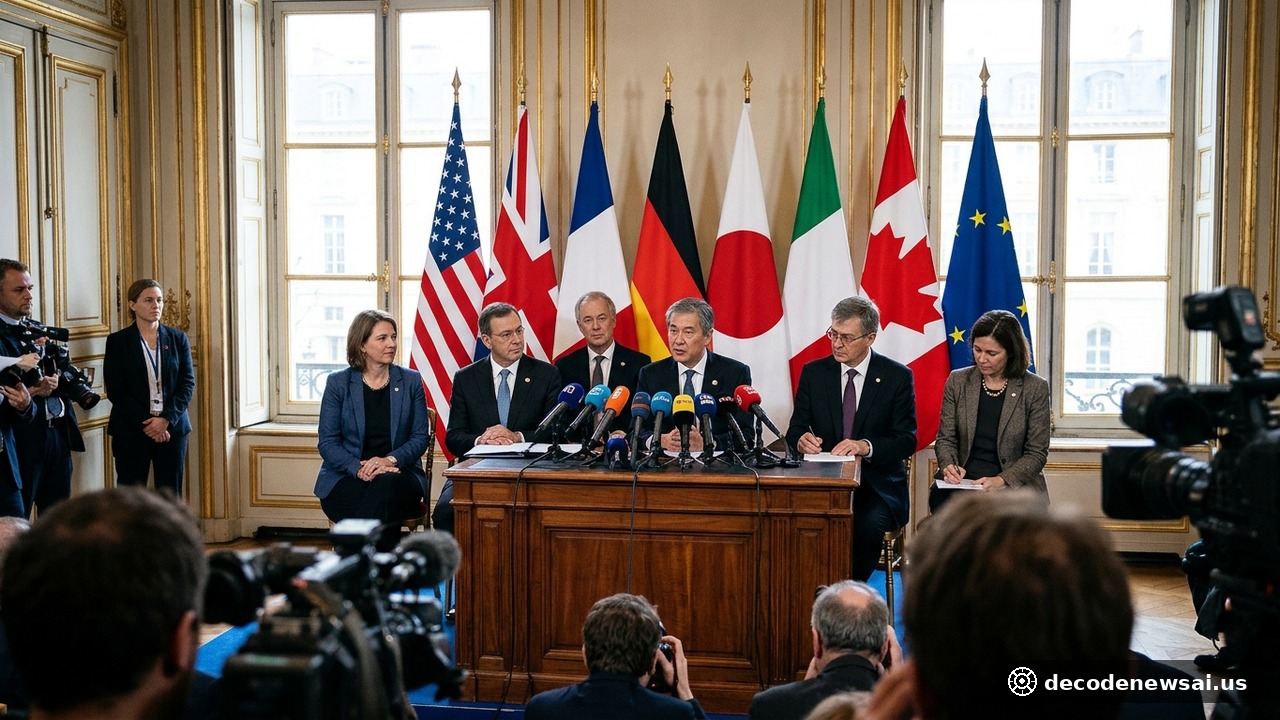
U.S. Secretary of State Marco Rubio told Group of Seven allies in Paris on November 10 that Washington sees no current need to resume major combat operations against Iran. Rubio argued that U.S. economic sanctions and naval blockades are already crippling Tehran's finances and oil revenues. He spoke after two days of G7 foreign ministers meetings in the French capital. President Donald Trump concluded that economic pressure is achieving Washington's core objectives without renewed airstrikes. "The economic campaign (against Iran) is so devastating that right now there is no need for major combat operations," Rubio said after the G7 talks, as reported by Al-Monitor. "That's what I told our allies here today."
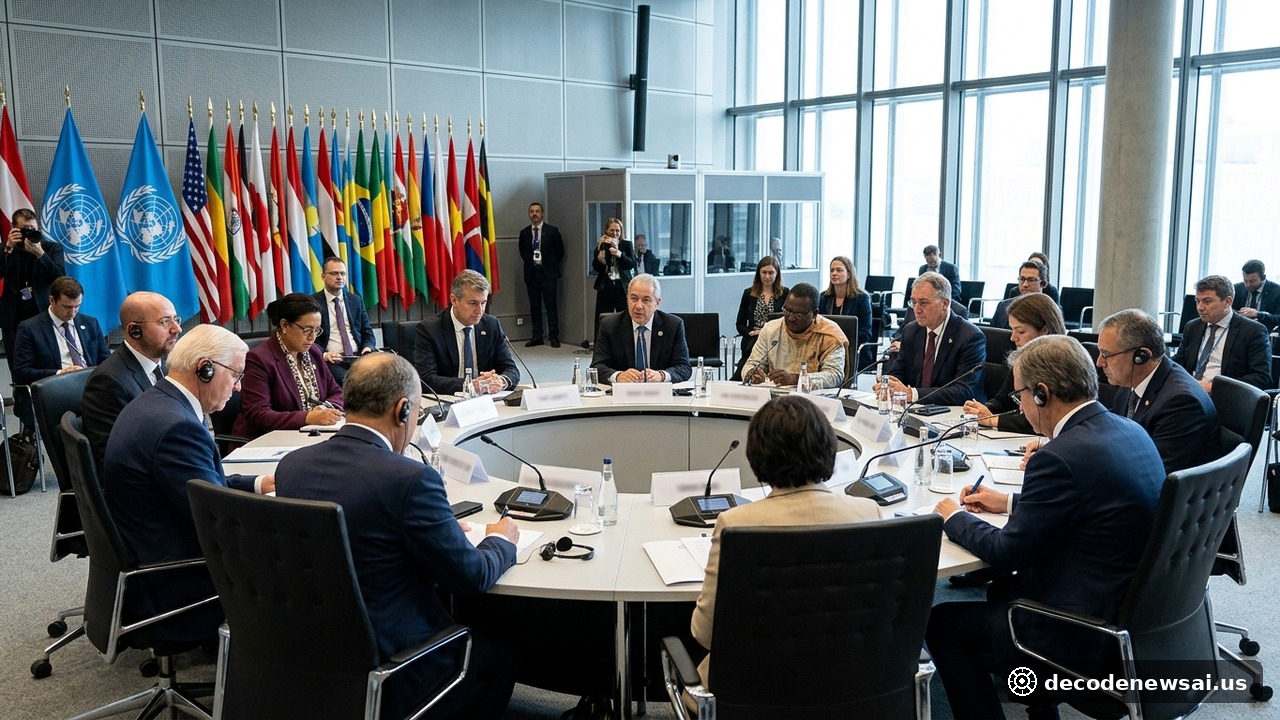
European G7 members pressed Rubio during the Paris summit to avoid any new military escalation in the Middle East. The conflict erupted on February 28, 2026, following the killing of Iranian Supreme Leader Ali Khamenei. Qatari Prime Minister Sheikh Mohammed bin Abdulrahman Al Thani joined talks on the G7 sidelines; he met with four European top diplomats and the Saudi foreign minister hours after meeting Trump in Washington. French Foreign Minister Jean-Noel Barrot, who chaired the Paris meeting, cautioned that the risk of a renewed U.S.-Iran clash has not disappeared. British Foreign Secretary Ed Miliband urged an all-out diplomatic effort to resolve the conflict; he warned that a prolonged stalemate of neither war nor peace is inflicting steady economic harm across Europe.
On November 11, Iranian security chief Mohsen Rezaei told Lebanon's Al Mayadeen TV that Iran will not allow a single particle of enriched nuclear material to leave the country. Rezaei also warned of consequences for any new U.S. strikes. Iran's Foreign Ministry designated Argentina's navy and air force as terrorist organizations in a reciprocal move.