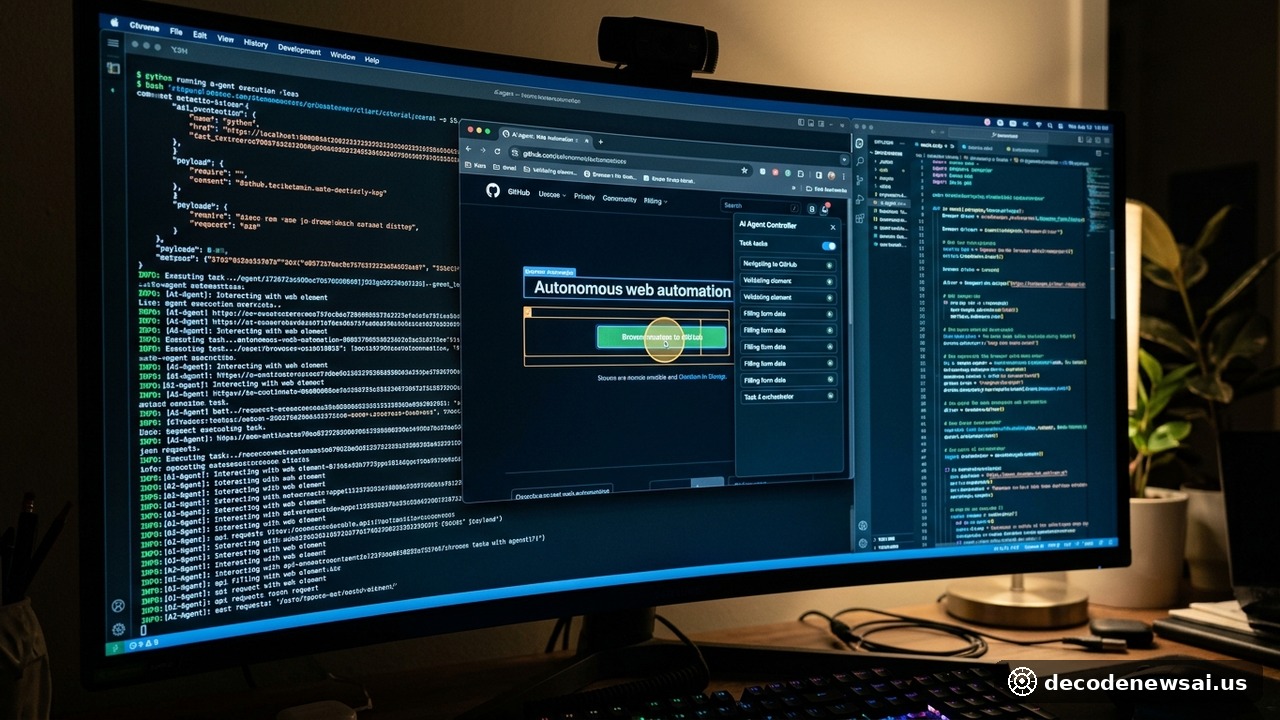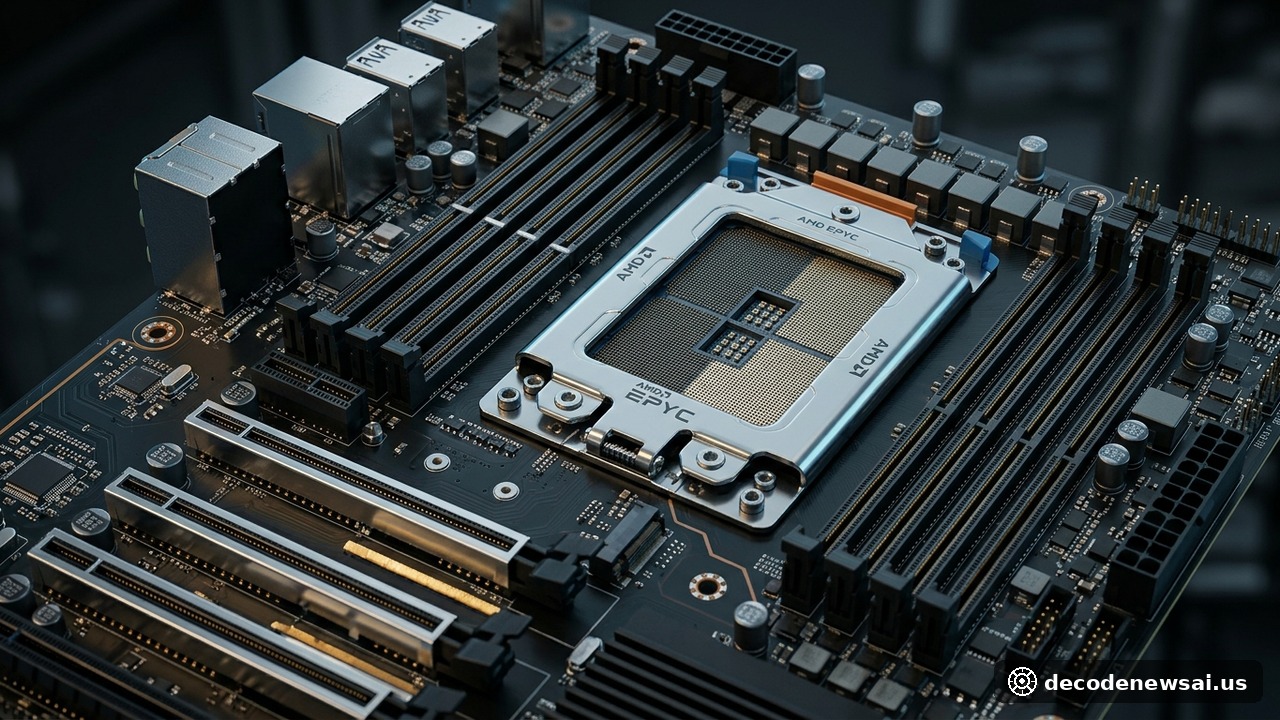
Super Micro Computer announced worldwide volume shipments of its next-generation H15 server and rackmount computing platforms on November 11. The modular hardware portfolio integrates AMD EPYC 9006 Series processors engineered for enterprise Agentic AI deployments, cloud hyperscalers, and scientific supercomputing. The refreshed H15 portfolio supports single-socket configurations delivering up to 192 Zen 5 computing cores alongside DDR5 system memory and PCIe 5.0 high-speed data interconnects. Hardware configurations doubled compute density within standard data center footprints.
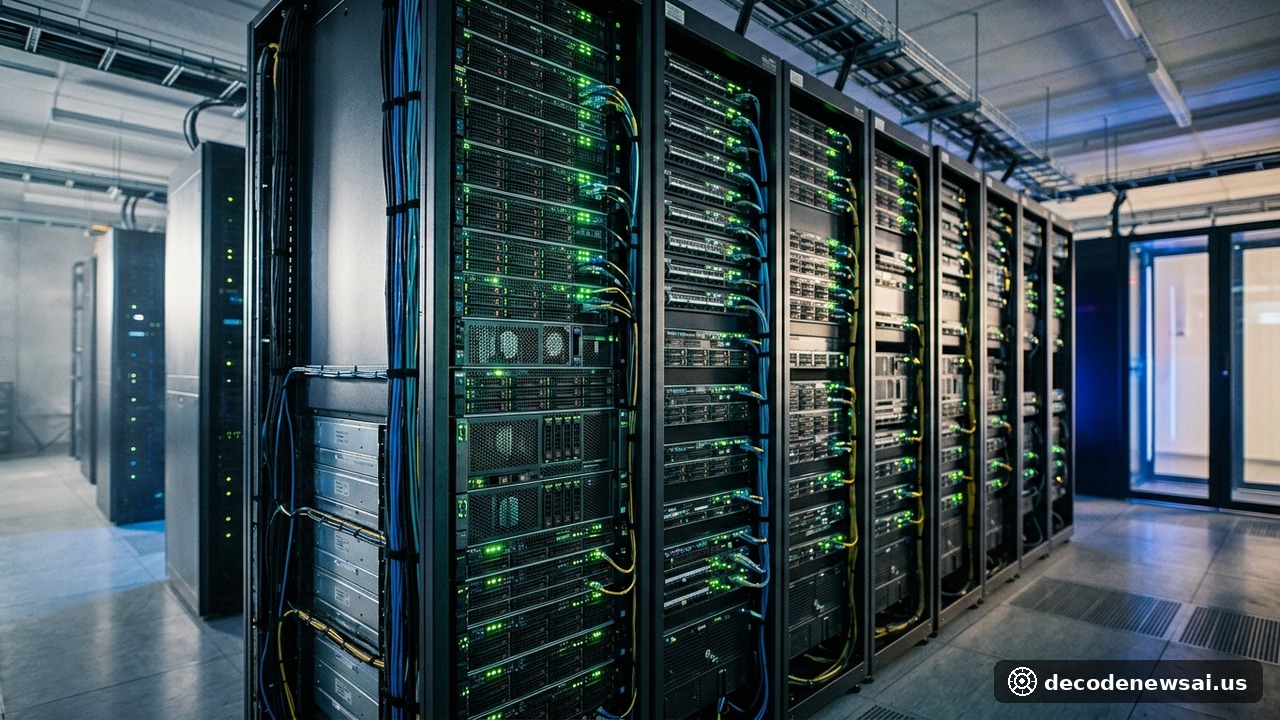
The platform leverages Supermicro's modular Building Block Solutions framework. Enterprise operators can deploy air-cooled server chassis or integrate factory-plumbed Direct Liquid Cooling (DLC) infrastructure across standard server cabinets. The H15 platforms combine maximum compute density with advanced direct liquid cooling to lower data center operating power by up to 40 percent, according to product announcements reported by Tom's Hardware and ServeTheHome. H15 systems incorporate twelve high-speed memory channels per socket to eliminate memory transfer bottlenecks for modern agentic artificial intelligence applications executing iterative multi-step reasoning loops requiring high memory bandwidth and low-latency input-output throughput.
Hardware benchmark tests demonstrated that H15 servers running multi-billion-parameter foundational models achieved a 2.5-fold improvement in end-to-end token throughput compared to prior-generation server architectures. Lower latency profiles allow enterprise operators to host hundreds of autonomous software agents concurrently. Executives from AMD's Enterprise Computing Group emphasized that AMD EPYC 9006 processors paired with Supermicro's thermal architectures provide superior performance-per-watt metrics for hyperscale cloud clusters.
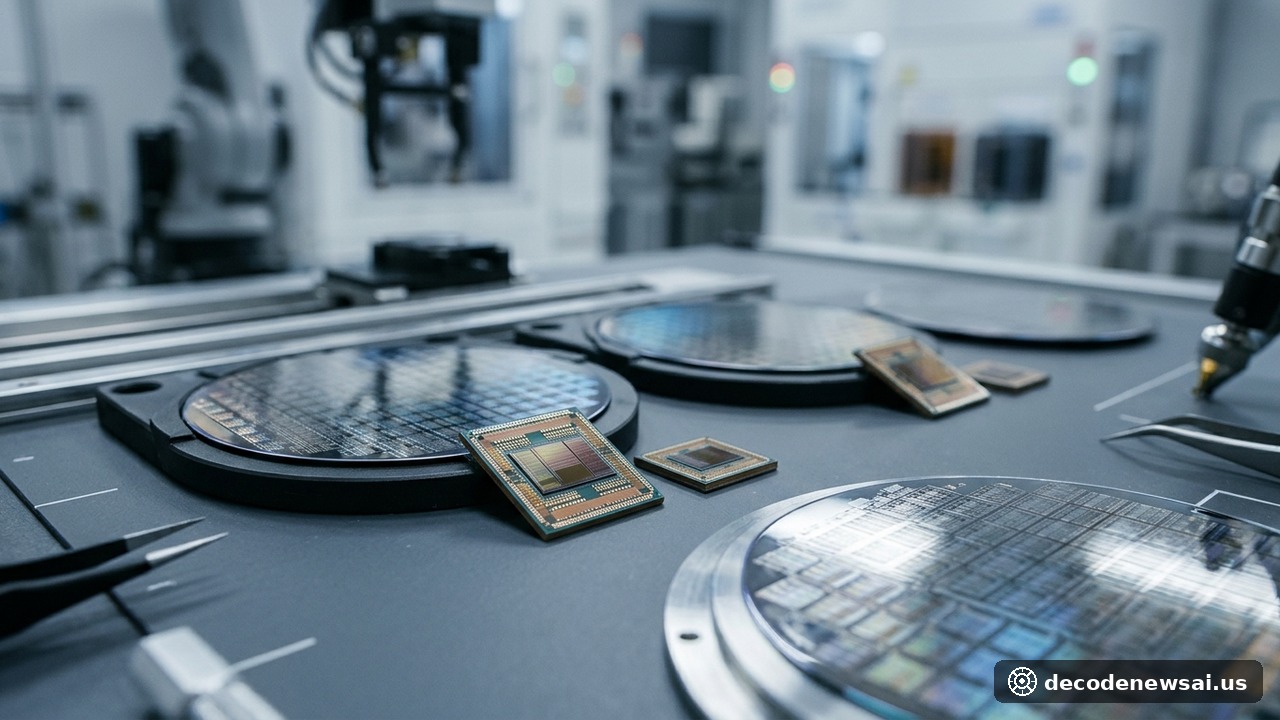
Metropolitan utility operators across North America and Europe have instituted strict electrical interconnect allocations for modern computing facilities. Supermicro's automated Silicon Valley manufacturing facilities maintain maximum capacity utilization to fulfill enterprise orders from global cloud operators. Initial volume consignments commenced deployment across North American and European enterprise facilities.