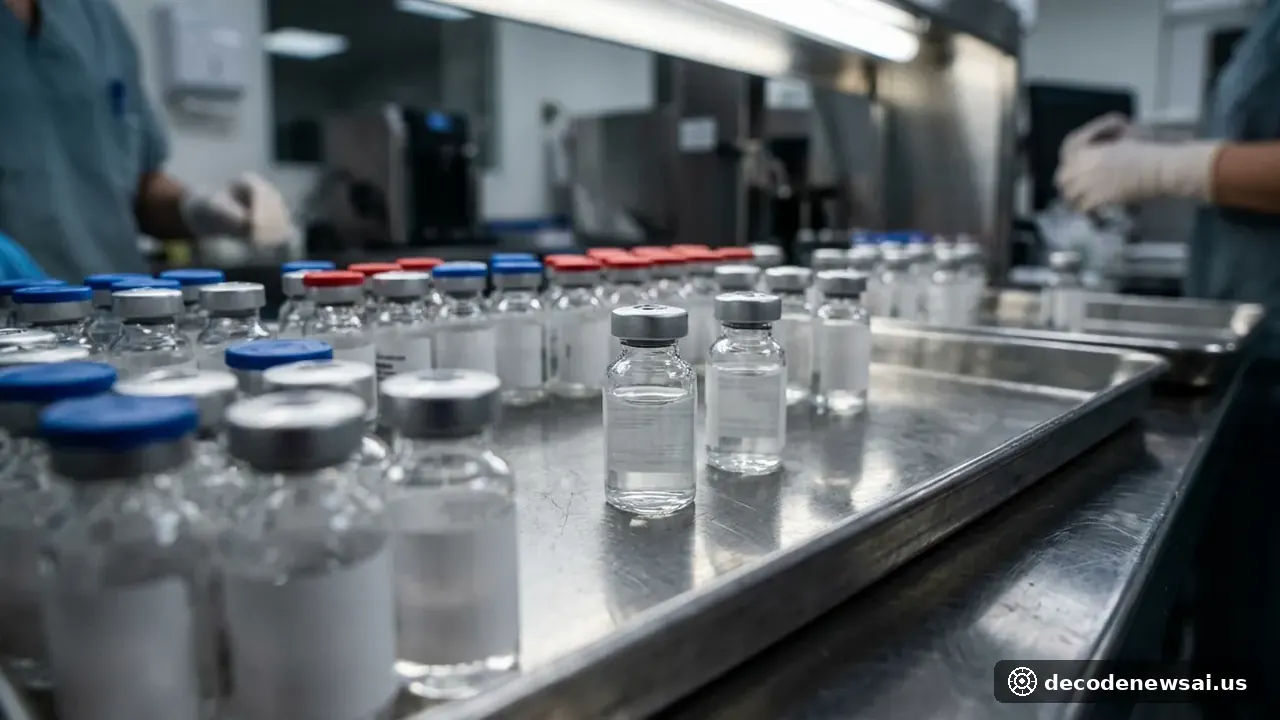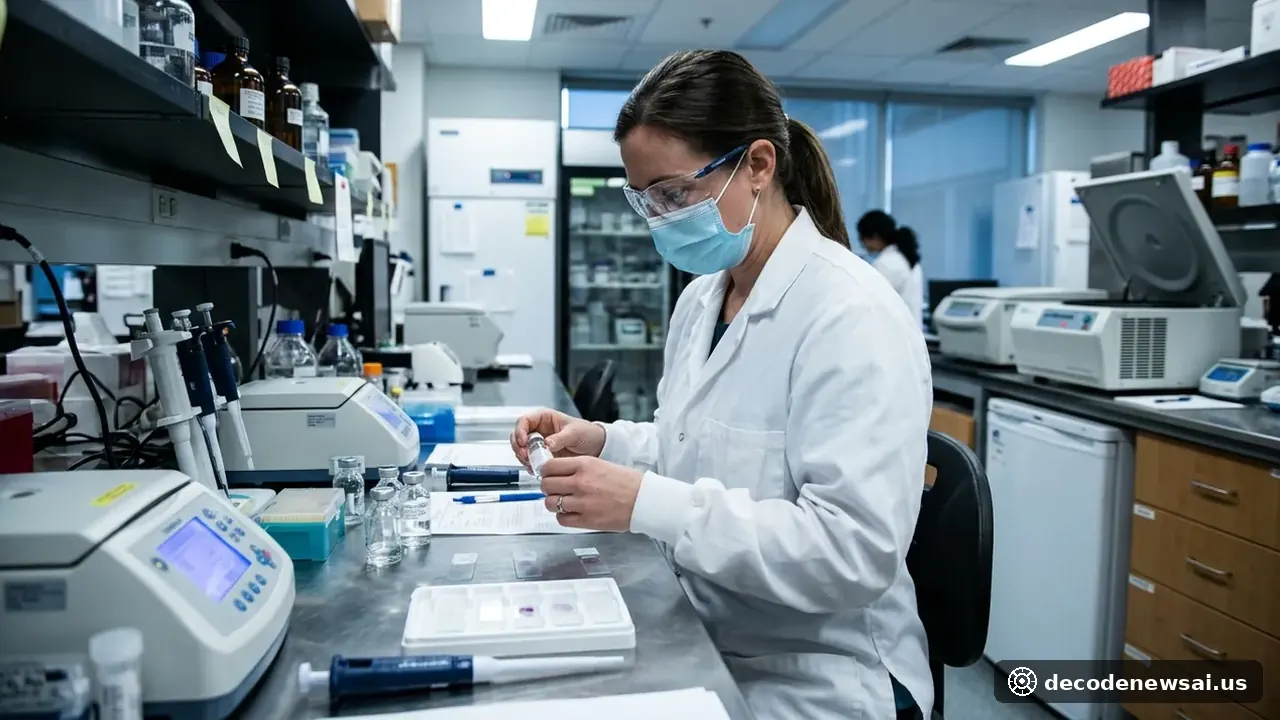
MIAMI - The U.S. Food and Drug Administration has declined to approve Summit Therapeutics' lung cancer drug ivonescimab, issuing a Complete Response Letter on Nov. 15, 2026, because trial data lacked statistically significant overall survival gains.
China Approved Ivonescimab but US Has Not
Agency Demands Stronger Survival Evidence
Regulators concluded that delaying tumor progression alone does not establish a positive benefit-risk profile for patients with EGFR-mutated non-small cell lung cancer after targeted therapy. Summit's application relied on the global Phase 3 HARMONi trial across 438 patients at 114 centers. Adding ivonescimab to chemotherapy improved median progression-free survival to 6.8 months compared with 4.4 months on chemotherapy alone, but the primary overall survival comparison of 16.8 months versus 14.0 months missed statistical significance.
Regulatory Gap Emerges Between China and US
Summit Pledges Global Trials After FDA Setback
Invented by Chinese partner Akeso, ivonescimab is a dual-target antibody blocking both PD-1 and VEGF pathways that won approval in China in May 2024. More than 100,000 patients have received the medicine commercially in China, yet no PD-1 x VEGF bispecific antibody has cleared the U.S. agency. Summit noted that no existing FDA-approved treatment has demonstrated statistically significant overall survival improvement in this specific post-targeted-therapy setting.
Company Pushes Ahead With Global Trials
Summit did not outline immediate next steps for the rejected indication but pledged to expand its clinical pipeline across first-line lung, colorectal, and biliary tract cancers. "We are disappointed for patients and their families awaiting additional treatment options in this setting," said Chairman and Co-CEO Robert W. Duggan. "We chose to pursue an ivonescimab regimen here based on the opportunity to provide another treatment option to help patients in need."