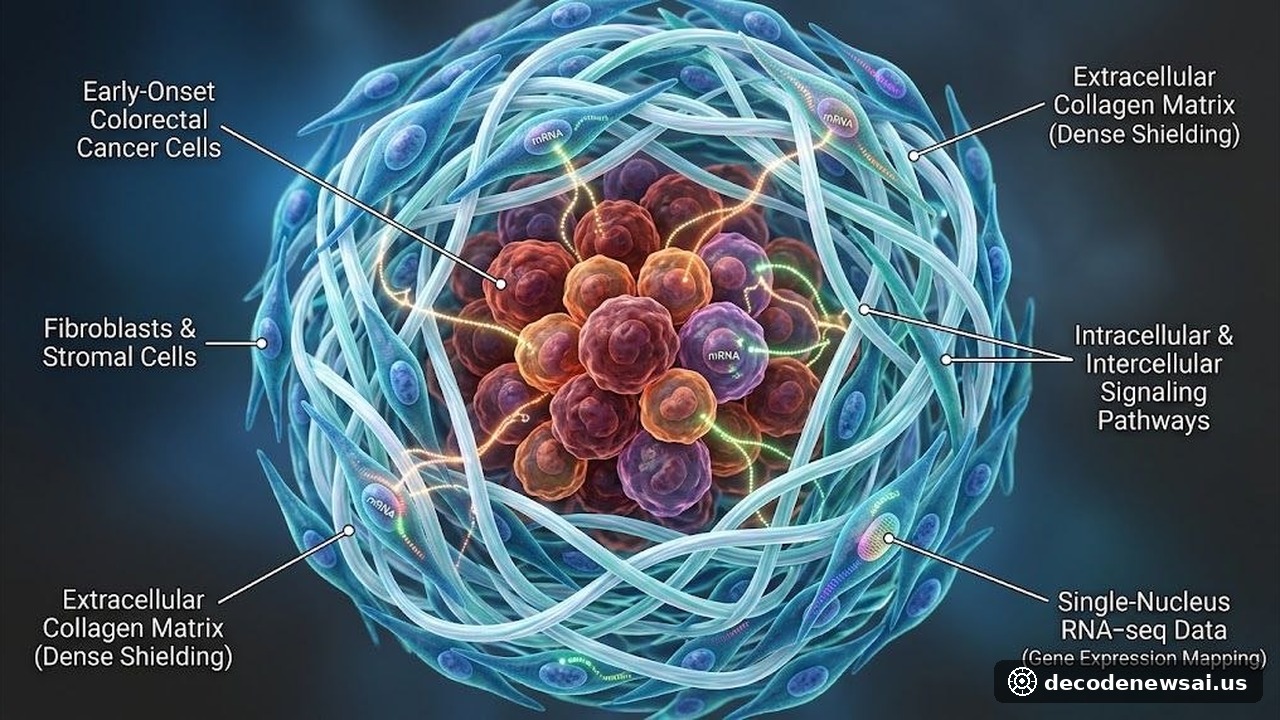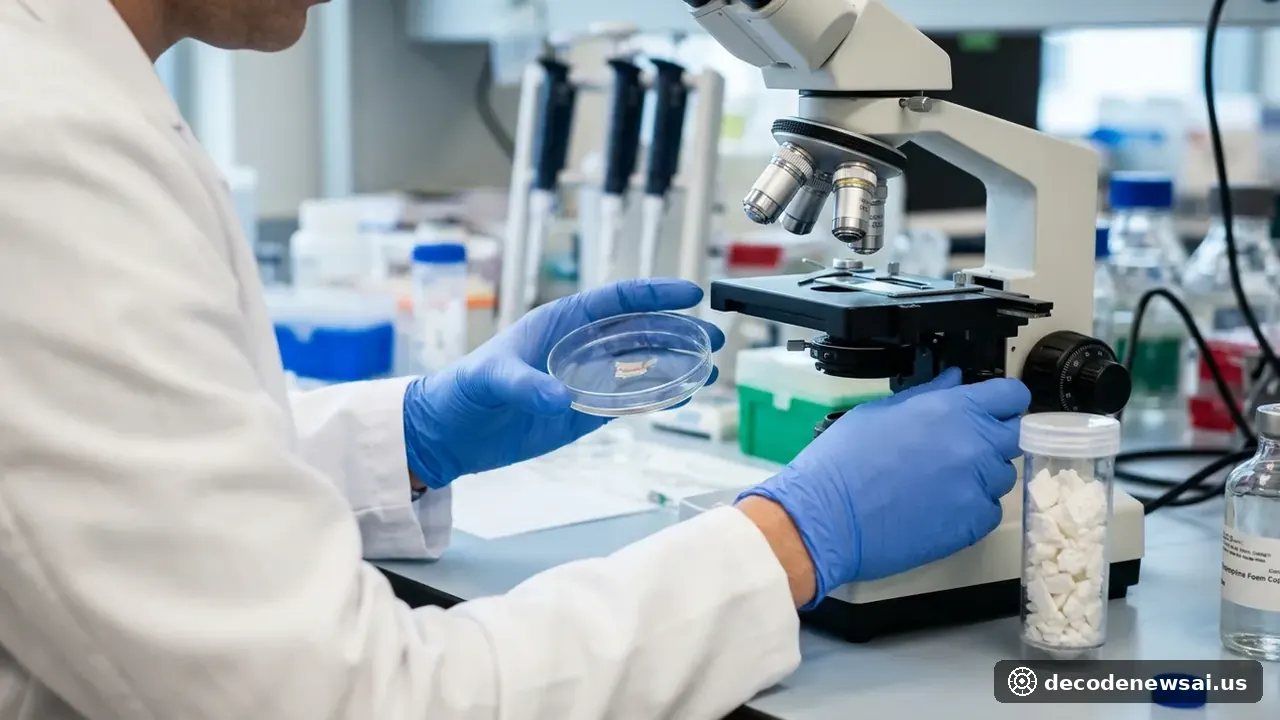
NEW HAVEN, Conn. - A study published in Molecular Cancer shows that long-term exposure to polystyrene nanoplastics, commonly used in foam cups and food packaging, accelerated colon tumor growth in mice by disrupting gut bacteria and immune defenses.
Plastic Particles Damage Gut Lining and Weaken Immunity
Researchers at Central South University in China fed polystyrene particles to mice predisposed to colon cancer, finding that exposed animals developed more numerous and severe tumors than control mice. The team also detected diverse microplastics in tissue and blood samples from human colorectal cancer patients, though researchers noted the animal experiment alone does not prove plastics cause human cancer.
Rising Early-Onset Cases Prompt Search for Environmental Triggers
Scientists are investigating environmental factors as colorectal cancer rates have risen roughly 3% annually among U.S. Frank Frizelle, a surgery professor at the University of Otago in New Zealand who was not involved in the study, told The Washington Post that plastic shards may puncture the colon's protective mucus layer. "My own thoughts are that it's going to prove not to be the microplastics themselves — microplastics are going to prove to be a way of getting through the mucus layer," Frizelle said.