KYIV - Ukrainian President Volodymyr Zelenskyy confirmed on Nov. 13 that newly imposed bandwidth throttling on military Starshield satellite networks is impeding combat operations along eastern frontlines. Military commanders reported that communication slowdowns disrupted air defense tracking against incoming Russian jet-powered strike drones across Kharkiv and Zaporizhzhia.
卫星限速影响前线作战
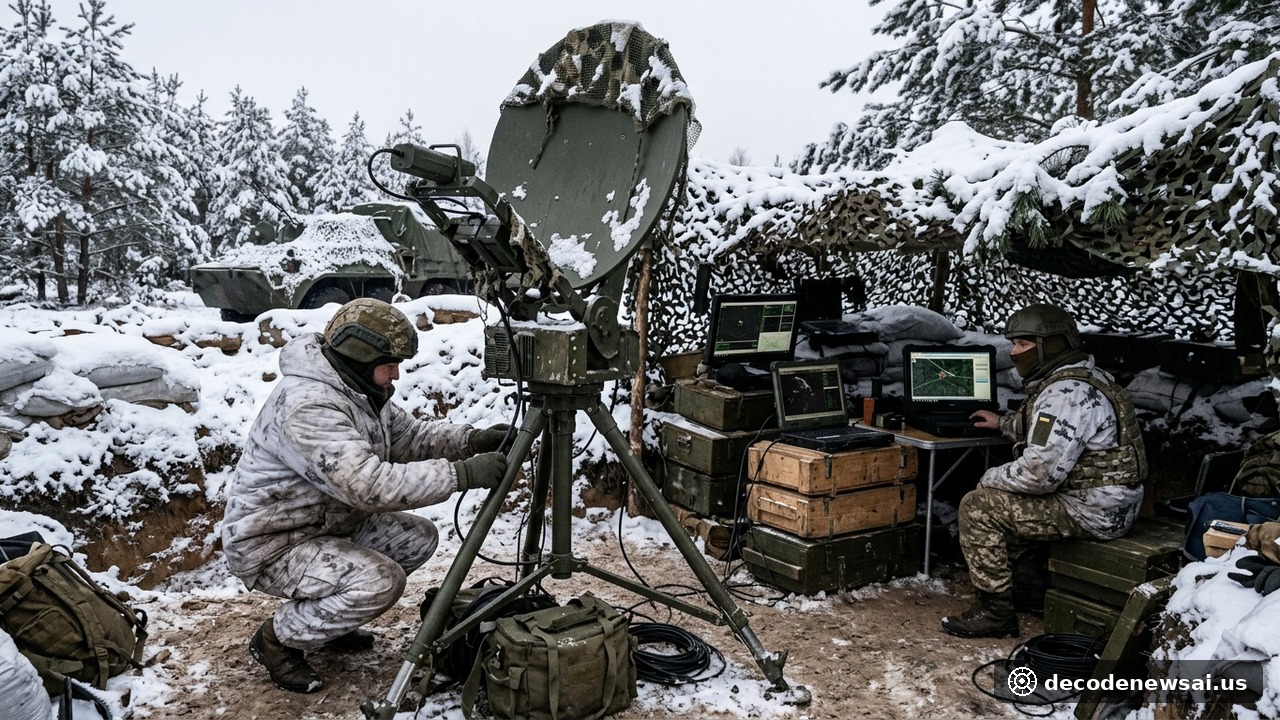
Ukrainian defensive units across active combat sectors registered severe satellite transmission degradation on Nov. 13. The disruption restricted secure field telemetry and drone target guidance. Frontline artillery batteries and mobile interceptor groups experienced persistent latency spikes while tracking high-speed reconnaissance aircraft.
Defense ministry officials confirmed that more than 148 separate combat engagements occurred across the frontline over twenty-four hours. Communication delays complicated immediate close air support requests. Military engineers confirmed that Starshield speed caps were enforced across all contested defensive coordinates.
限速带来的作战风险
The transmission restrictions create critical operational vulnerabilities across frontline positions. Russian forces deploy jet-powered Shahed variants requiring millisecond-level telemetry tracking. Bipartisan lawmakers in Washington raised sharp oversight concerns regarding private satellite contractual compliance and battlefield neutrality commitments.
Addressing reporters in Dublin on Nov. 13, Ukrainian President Volodymyr Zelenskyy stated that systematic Starshield speed restrictions reported along the frontline send a bad signal from the United States while defending sovereign airspace. Defense analysts warned that uncoordinated satellite policy changes erode allied military interoperability.
后续安排
United States congressional armed services committees will convene closed-door oversight briefings with military satellite procurement contractors on Nov. 25. Ukrainian military technical delegations will submit documented speed diagnostic logs to Pentagon officials during bilateral consultations in Brussels on Dec. 4. European defense partners will review alternative tactical commercial constellation access through Dec. 18.